
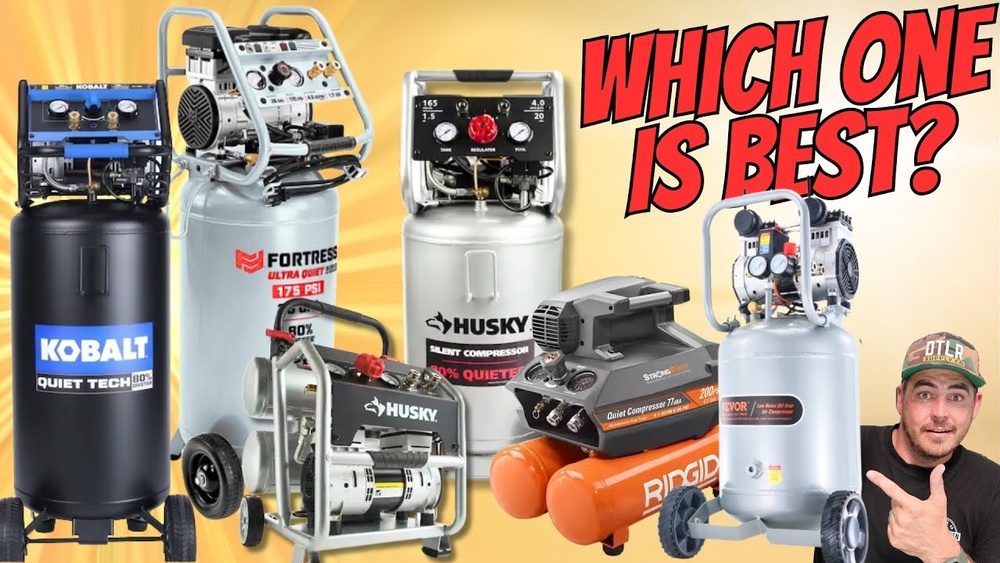
Choosing the right air compressor for auto detailing can completely change how fast and how well you clean and care for vehicles. Whether you’re running a busy detail shop or just starting out, the right compressor will power your tools, speed up your workflow, and help you deliver spotless results. But with so many types, models, and features, picking the best can feel confusing. This guide clears up the noise, breaking down what matters most, sharing top models, and offering tips from hands-on experience with all kinds of compressors in the auto detailing world.
Why Air Compressors Matter In Auto Detailing
An air compressor is not just another machine in your garage—it’s a key tool for professional-level results. Compressed air powers tools that scrub, blow out dust, dry surfaces, and even run paint sprayers. With the right setup, you can clean vents, blast out tight crevices, dry wheels and emblems, and apply coatings more evenly than by hand.
But not every compressor is suitable. Many beginners buy a cheap, small unit, only to find it overheats, is too loud, or cannot keep up with their tools. Knowing what to look for saves you time, money, and frustration.
Key Factors When Choosing An Air Compressor For Auto Detailing
Before choosing a model, focus on these important factors:
- Airflow (CFM): CFM, or cubic feet per minute, tells you how much air the compressor delivers. Detailing tools like blow guns, extractors, and rotary polishers need steady airflow. For most jobs, you want at least 4–6 CFM at 90 PSI.
- Tank Size: Larger tanks (20–30 gallons) allow you to work longer without waiting for the compressor to refill. Small tanks (3–8 gallons) are lighter, but better for short, light-duty tasks.
- Portability: If you’re mobile or have a small shop, a compact, lightweight compressor is easier to move. Stationary models suit fixed locations with lots of jobs.
- Noise Level: Some compressors are extremely loud. For indoor use or shared spaces, look for “quiet” or “ultra-quiet” models—under 70 dB is comfortable.
- Power Source: Most detailers use electric compressors. Gas models are more powerful but heavy and only needed outdoors or for commercial work.
- Durability and Maintenance: Cast iron pumps, oil-lubricated motors, and well-known brands generally last longer. Maintenance-free units are good for beginners but may wear out sooner.
- Price vs. Value: The cheapest compressor often costs more in repairs and wasted time. Think about total value, including warranty and service.

Credit: www.reddit.com
Best Air Compressor Models For Auto Detailing
Let’s dive into the best air compressors for auto detailing in 2024. These models are chosen for reliability, performance, and real-world results—whether you’re a weekend enthusiast or running a busy detail shop.
1. California Air Tools 8010 Ultra Quiet
The California Air Tools 8010 is famous for being one of the quietest compressors you can buy. It delivers 3.0 CFM at 90 PSI, which is enough for most detailing tools like blow guns, mini extractors, and tire inflators. Its 8-gallon steel tank offers a good balance of working time and portability. With a noise rating of only 60 dB, you can talk over it and work indoors without headaches.
This model uses an oil-free pump, so there’s little maintenance. It runs on standard 110V electricity and weighs just 48 lbs, making it easy to move around. Some detailers wish for a bit more CFM, but for small to medium jobs, it’s a favorite.
2. Makita Mac2400 Big Bore
If you need more power and don’t mind a little extra weight, the Makita MAC2400 delivers 4.2 CFM at 90 PSI with a cast iron pump for extra durability. The 4.2-gallon twin-stack tank refills quickly, and the roll-cage design protects it on busy shop floors. It’s oil-lubricated, so it runs cooler and lasts longer, but you’ll need to check oil levels now and then.
Noise is moderate (79 dB), and at 77 lbs, it’s not the lightest—but it’s a workhorse for frequent detailers who use high-demand tools like DA polishers and pneumatic sprayers.
3. Dewalt D55146 4.5-gallon Portable
DEWALT’s D55146 is a top pick for mobile detailers. Its 4.5-gallon tank and 5.0 CFM at 90 PSI handle almost any air tool you’ll use in detailing. The “vertical stand” design means you can store and roll it like luggage, saving space in your van or shop.
This compressor is oil-free for less mess and lower upkeep. It’s louder than some (78 dB), but the high CFM output means you get jobs done faster. Many pros like its reliable start-up and rugged build.
4. Campbell Hausfeld Dc080500 Quiet Series
Campbell Hausfeld’s DC080500 is another top choice for detailers who value low noise. It produces just 68 dB and offers 2.4 CFM at 90 PSI from an 8-gallon tank. That’s plenty for basic tasks—blowing out interiors, drying wheels, or running airbrushes.
Weighing 67 lbs, it’s not super light, but the handle and wheels make it mobile. The oil-free pump cuts maintenance. For those working in residential areas or indoors, the quiet operation is a game changer.
5. Porter-cable C2002 Pancake Compressor
The PORTER-CABLE C2002 is popular with beginners and hobby detailers. Its “pancake” shape means it’s stable and easy to carry (just 34 lbs). With 2.6 CFM at 90 PSI and a 6-gallon tank, it’s enough for blow guns, small air tools, or inflating tires.
It’s oil-free, so no maintenance worries, and starts easily in cold weather. This model is not as quiet as premium units (82 dB), and the airflow isn’t enough for heavy-duty extractors—but for light, regular detailing, it’s a solid value.
6. Bostitch Btfp02012 Pancake Compressor
BOSTITCH’s BTFP02012 is another compact, budget-friendly option. It offers 2.6 CFM at 90 PSI, a 6-gallon tank, and weighs only 29 lbs. It’s oil-free and very reliable for small cleaning, drying, and inflation jobs.
Noise is a bit high (80 dB), but for the price, it’s hard to beat for entry-level auto detailing. The quick-recovery time and simple controls make it perfect for first-timers.
7. Rolair Jc10 Plus Ultra Quiet
The Rolair JC10 Plus is designed for those who want peace and quiet. At 60 dB, it’s one of the quietest compressors you’ll find. It produces 2.4 CFM at 90 PSI from a 2.5-gallon tank—enough for most interior and spot-cleaning tasks.
This model is built for durability, with a cast aluminum cylinder and low-amp draw. It’s heavier for its size (42 lbs), but trades weight for quieter, longer-lasting performance.
8. Industrial Air Il1682066.mn 20-gallon Belt Driven
If you run a busy shop, the Industrial Air IL1682066.MN offers serious power. Its 20-gallon tank, 6.2 CFM at 40 PSI (5.3 CFM at 90 PSI), and belt-driven, oil-lubricated motor are built for all-day use. This model is larger (159 lbs) and best for a fixed location.
It handles multiple tools at once—polishers, extractors, paint guns—without dropping pressure. The vertical design saves floor space. Regular oil checks are needed, but this compressor will last for years with proper care.
9. Stealth Saq-1420t Ultra Quiet Series
The Stealth SAQ-1420T brings a blend of quiet operation (68 dB), strong airflow (4.0 CFM at 90 PSI), and a 20-gallon tank for long sessions. It’s oil-free, so maintenance is simple, and wheels make moving the 121-lb unit easier.
Detailers appreciate the fast recovery time and reliable performance. It’s a smart choice for medium to large detailing businesses looking for a quiet, heavy-duty compressor.
10. Senco Pc1010n Lightweight Compressor
The Senco PC1010N is perfect for mobile or part-time detailers. It’s super light (21 lbs), compact, and delivers 0.7 CFM at 90 PSI with a 1-gallon tank. While this isn’t enough for strong extractors, it works well for quick blow-outs and touch-ups.
It’s quiet (68 dB) and easy to store. If you just need a simple, portable compressor for small jobs, this is a reliable pick.
11. Northstar Portable Electric Air Compressor
NorthStar’s Portable Electric Air Compressor (2 HP, 20-gallon) is known for its cast iron pump and long service life. It delivers 5.0 CFM at 90 PSI, which is more than enough for most detailing tasks.
It’s heavier (205 lbs) and best for shop use, but if you need a strong, reliable compressor that won’t wear out, NorthStar is a trusted name.
12. Quincy Qt-54 Splash Lubricated Reciprocating Air Compressor
For high-demand, professional shops, the Quincy QT-54 is a legend. This stationary compressor has a 60-gallon tank and delivers 15.4 CFM at 90 PSI—enough for multiple users at once.
It’s designed for quiet, efficient, all-day operation, but you’ll need space and a 230V power supply. For long-term investment and reliability, few compressors can match it.
13. Ingersoll Rand Ss3l3
Ingersoll Rand’s SS3L3 offers a 60-gallon tank and 11.3 CFM at 90 PSI, making it excellent for busy auto shops. It’s oil-lubricated for durability and built to handle multiple tools all day.
While installation takes effort and it’s not portable, the performance and lifespan make it a favorite among serious detailers.
14. Viair 400p Portable Compressor Kit
If you need a compressor just for mobile cleaning and tire inflation, the VIAIR 400P is a smart choice. It’s compact, weighs just 8.5 lbs, and runs off a car battery. While it won’t power polishers, it’s perfect for blowing out interiors, inflating tires, and drying small areas.
It delivers 2. 3 CFM at 33 PSI. Many mobile detailers keep one for emergencies or remote jobs.
15. Eagle Silent Series Ea-6500
The Eagle Silent Series EA-6500 is known for ultra-quiet (53 dB) operation with 6.0 CFM at 90 PSI from a 20-gallon tank. It’s oil-free and built for commercial shops where noise must be kept to a minimum.
At 125 lbs, it’s portable for its size, and the dual pistons keep up with high airflow tools. If you want silent, strong, and reliable, this is a top pick.
Comparison Of Popular Air Compressors For Auto Detailing
To make the options clearer, here’s a direct comparison of some of the most popular compressors:
| Model | Tank Size (Gallons) | CFM at 90 PSI | Noise Level (dB) | Weight (lbs) | Portability |
|---|---|---|---|---|---|
| California Air Tools 8010 | 8 | 3.0 | 60 | 48 | Good |
| Makita MAC2400 | 4.2 | 4.2 | 79 | 77 | Moderate |
| DEWALT D55146 | 4.5 | 5.0 | 78 | 80 | Good |
| PORTER-CABLE C2002 | 6 | 2.6 | 82 | 34 | Excellent |
| Industrial Air IL1682066.MN | 20 | 5.3 | Not Specified | 159 | Poor |
| Eagle EA-6500 | 20 | 6.0 | 53 | 125 | Good |
What Air Compressor Features Matter Most For Detailing?
The best air compressor for auto detailing fits your tools and your workspace. Here are two insights many beginners miss:
- Duty Cycle: Not all compressors can run non-stop. The duty cycle (expressed as a percentage) tells you how long the compressor can run per hour. For example, a 50% duty cycle means 30 minutes of use per hour. If you’re working all day, pick a compressor with a higher duty cycle (70% or more).
- Moisture Management: Compressed air produces water, which can create spots on paint or cause tools to rust. Always use a water trap and drain the tank often. Some compressors have built-in moisture control—look for these if you live in a humid area.
How To Match Your Tools To The Right Compressor
Every detailer uses different air tools, and each has specific air needs. Here’s a quick guide:
| Tool | Recommended CFM at 90 PSI | Tank Size Needed |
|---|---|---|
| Blow Gun | 2.0–4.0 | 4–8 gallons |
| Mini Extractor | 2.0–5.0 | 8–20 gallons |
| DA Polisher | 4.0–6.0 | 20+ gallons |
| Paint Sprayer | 6.0–12.0 | 20+ gallons |
| Airbrush | 0.7–1.0 | 1–2 gallons |
Always check your tool’s manual for its minimum CFM and PSI. Running a tool on too little air will reduce its power and can wear out both the tool and the compressor.
Credit: www.pandahub.com
Common Mistakes When Buying An Air Compressor For Auto Detailing
Many new detailers make these mistakes:
- Choosing by Horsepower Only: HP tells you about the motor, not the airflow. Always check CFM at 90 PSI instead.
- Going Too Small: A tiny compressor may be cheap, but if it can’t keep up with your tools, you’ll lose time waiting for pressure to build.
- Ignoring Noise: A loud compressor can make long jobs tiring and annoy neighbors.
- Forgetting About Moisture: Water in your lines can ruin your work. Always add a filter or water trap.
- Skipping Research on Repairs: Some no-name brands are impossible to fix if they break. Stick with brands that offer service and parts.
Maintenance Tips For Air Compressors In Auto Detailing
A well-maintained compressor lasts years longer and gives better performance. Here’s how to keep yours in top shape:
- Drain the Tank Daily: Water collects inside after every use. Open the drain valve to prevent rust.
- Change Oil (If Needed): Oil-lubricated models need regular oil checks and changes—usually every 500–1,000 hours.
- Clean or Replace Filters: Dusty environments clog air filters quickly, so check them monthly.
- Check for Leaks: Spray soapy water on fittings and look for bubbles. Tighten any loose connections.
- Inspect Belts (on belt-driven models): Replace worn or cracked belts before they break.

Credit: www.youtube.com
Practical Tips For Getting The Most From Your Compressor
- Use high-quality hoses (3/8” or larger) for less pressure drop, especially on longer runs.
- Keep extension cords short or use a heavy-duty cord to prevent voltage drop, which can damage the motor.
- Store the compressor in a dry, cool place for longer life.
- Install an automatic drain if you forget to drain the tank. This saves time and prevents rust.
- Use quick-connect fittings to swap tools faster and reduce leaks.
Real-world Examples: Matching Compressors To Detailing Setups
- Mobile Detailer: Uses a compact, ultra-quiet compressor (like the California Air Tools 8010) that fits in a van, powers blow guns and extractors, and runs off a standard outlet or generator.
- High-Volume Shop: Has a large, stationary unit (like the Quincy QT-54 or Ingersoll Rand SS3L3) that powers several polishers and sprayers at once, with a high-duty cycle and built-in moisture trap.
- Beginner Hobbyist: Starts with a pancake or small portable compressor (PORTER-CABLE C2002, Senco PC1010N) for cleaning, drying, and inflating—upgrading as business grows.
When Is It Time To Upgrade Your Air Compressor?
Upgrade if you:
- Regularly run out of air mid-job
- Add more tools or staff
- Start using high-demand tools like paint sprayers or extractors
- Notice excessive noise, vibration, or slow recovery
A bigger, quieter, or more powerful compressor can increase your efficiency, reduce wear on tools, and help you take on larger jobs.
Where To Find Reviews And More Information
For more in-depth reviews and professional guides, visit the official manufacturer sites or trusted sources like Popular Mechanics. Always check real-world user reviews before buying.
Frequently Asked Questions
What Size Air Compressor Is Best For Auto Detailing?
Most detailers do well with a compressor delivering at least 4–6 CFM at 90 PSI and a tank of 8–20 gallons. If you only do small jobs or mobile work, a smaller model can work. For busy shops or paint work, go bigger.
Can I Use A Pancake Compressor For Auto Detailing?
Yes, for light tasks like blowing out vents, drying wheels, or inflating tires. For extractors, polishers, or continuous use, you’ll need a larger, higher-CFM compressor.
How Do I Reduce Noise From My Air Compressor?
Choose a quiet series compressor (under 70 dB), use rubber pads under the feet, and keep the compressor away from walls to reduce vibration. Some detailers build a soundproof box with ventilation.
Do I Need An Oil-free Or Oil-lubricated Compressor?
Oil-free models are easier to maintain and good for mobile or light use. Oil-lubricated compressors last longer, run cooler, and are better for heavy, frequent use—but need regular oil checks.
What Accessories Should I Buy With My Compressor?
Get a moisture trap/filter, high-quality hoses, quick-connect fittings, and the right adapters for your tools. A good air regulator ensures steady pressure. Don’t forget a tire inflator and blow gun for basic tasks.
With the right air compressor, auto detailing becomes faster, easier, and more professional. Take time to match your tools and workflow, and your investment will pay off with every clean, shiny car you finish.