
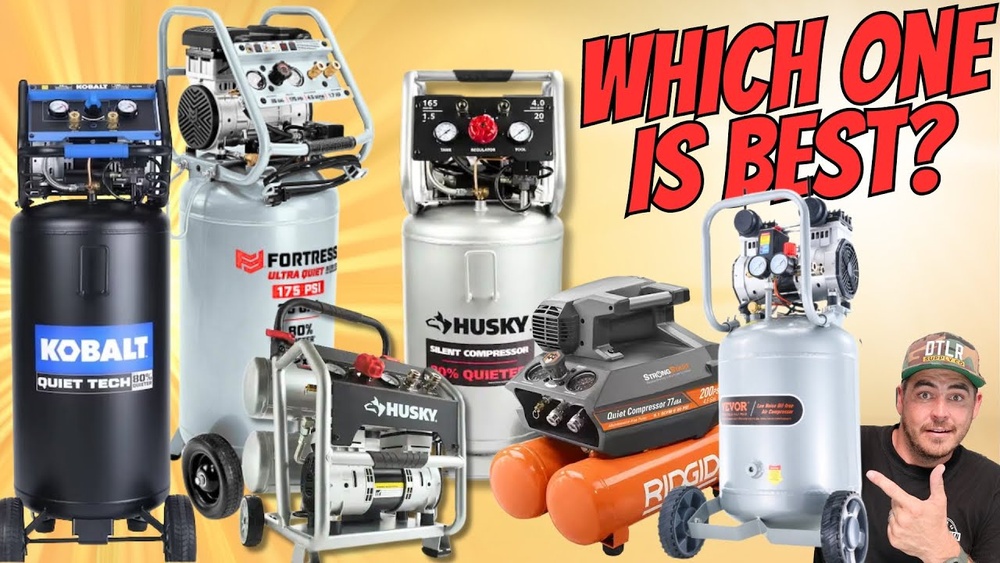
Auto detailing is all about making cars look and feel fresh—inside and out. To do this job well, you need the right tools. One of the most important tools for any serious detailer is an air compressor. Whether you’re cleaning vents, drying parts, or running pneumatic tools, the right air compressor can make your work faster and more professional. But with so many models and features, how do you choose the best air compressor for auto detailing? This guide will compare popular options, explain what matters, and help you find the perfect fit for your detailing needs.
Why Air Compressors Matter In Auto Detailing
Detailing isn’t just about washing and waxing. It’s about cleaning every corner, removing dust, drying water spots, and sometimes even powering tools like sprayers or polishers. An air compressor is a versatile piece of equipment. It blows debris from tight spaces, dries surfaces quickly, and makes it possible to use specialized cleaning gadgets. Without one, many detailing jobs take much longer and the results aren’t as sharp.
But not every air compressor works for auto detailing. Some are too weak, some are too noisy, and others are too heavy to move around. Picking the wrong one can waste your money and slow your business.
Key Factors When Comparing Air Compressors For Auto Detailing
Before diving into specific models, you need to understand what features are really important for auto detailing. Here are the main things to look for:
1. Airflow And Pressure
The power of an air compressor is measured in CFM (cubic feet per minute) and PSI (pounds per square inch).
- CFM: Tells you how much air the compressor can deliver. Higher CFM means you can use tools that need more air.
- PSI: Shows the pressure level. Most detailing tools work well at 90-120 PSI.
For most auto detailing jobs, a compressor with 3-6 CFM at 90 PSI is a good starting point.
2. Tank Size
A bigger tank means you can work longer before the compressor has to refill. For detailing, a 4 to 20-gallon tank is common. Small tanks (under 4 gallons) are portable but may not run tools for long. Large tanks (over 20 gallons) are powerful but heavy.
3. Portability
If you move around a lot—maybe detailing cars outside or at different locations—you need a portable compressor. Look for wheels, handles, and a manageable weight.
4. Noise Level
Some compressors are very loud. If you work in a garage or residential area, choose a quiet compressor (under 70 dB).
5. Power Source
Most compressors are electric (plug-in), but some are gas-powered. Electric models are better for indoor use, while gas models are good for mobile work where power outlets aren’t available.
6. Duty Cycle
This tells you how long the compressor can run before needing a rest. For heavy use, a 100% duty cycle is best, but many compressors are rated for 50-70%.
7. Build Quality And Maintenance
A good compressor will last for years. Look for models with metal tanks, quality fittings, and easy-to-access filters.

Credit: www.youtube.com
Top Air Compressor Models For Auto Detailing Compared
Let’s look at some of the best air compressors used by professional detailers and serious hobbyists. Each has unique strengths. We’ll compare them across the features that matter most.
1. California Air Tools 8010
The California Air Tools 8010 is famous for its quiet operation and solid performance. It’s a favorite for those who detail in residential neighborhoods or indoors.
- CFM: 3.0 at 90 PSI
- Tank Size: 8 gallons
- Noise Level: 60 dB
- Weight: 48 lbs
- Power: Electric
This compressor is oil-free, which means less maintenance and no risk of oil stains. The 8-gallon tank is a sweet spot—big enough for steady work, but not too heavy. The steel tank and sturdy wheels make it easy to move around.
If you want quiet, reliable power, this is an excellent choice.
2. Makita Mac2400 Big Bore
The Makita MAC2400 is known for durability and strong performance. It’s a bit heavier, but built to last.
- CFM: 4.2 at 90 PSI
- Tank Size: 4.2 gallons (twin stacked)
- Noise Level: 79 dB
- Weight: 77 lbs
- Power: Electric
This model uses an oil-lubricated pump. That means it needs regular oil changes, but it also runs cooler and lasts longer. The cast iron pump is tough, and the compressor can handle continuous use. The only downside is the weight—if you need to move often, it can be a struggle.
3. Dewalt Dwfp55130
The DEWALT DWFP55130 is a compact, portable compressor that still packs solid performance.
- CFM: 3.0 at 90 PSI
- Tank Size: 2.5 gallons
- Noise Level: 71.5 dB
- Weight: 36 lbs
- Power: Electric
If you need something light and easy to carry, this model is a good pick. It’s small enough to fit in a trunk, but strong enough for most detailing tools. The low noise is a plus for indoor work. However, the small tank means you may need to pause for it to refill during long jobs.
4. Porter-cable C2002
The PORTER-CABLE C2002 is a popular choice for beginners and mobile detailers due to its price and portability.
- CFM: 2.6 at 90 PSI
- Tank Size: 6 gallons
- Noise Level: 82 dB
- Weight: 34 lbs
- Power: Electric
This pancake-style compressor is easy to store and transport. It’s oil-free, so maintenance is simple. The 6-gallon tank strikes a balance between portability and run time, though it’s a bit louder than some other options.
5. Campbell Hausfeld Dc080500
The Campbell Hausfeld DC080500 is another quiet performer, ideal for home garages and small shops.
- CFM: 2.4 at 90 PSI
- Tank Size: 8 gallons
- Noise Level: 68 dB
- Weight: 67 lbs
- Power: Electric
This compressor is praised for its quiet motor and large wheels. It’s powerful enough for air blowers and tire inflators, but not the best for heavy-duty tools. Its oil-free design reduces maintenance needs.
6. Industrial Air Il1682066.mn
The Industrial Air IL1682066.MN is a heavy-duty compressor for shops and pro detailers with high demands.
- CFM: 6.2 at 40 PSI / 5.3 at 90 PSI
- Tank Size: 20 gallons
- Noise Level: Not rated (generally 80-85 dB)
- Weight: 159 lbs
- Power: Electric
This is not a portable unit. It’s big, powerful, and designed to run multiple tools at once. The 20-gallon tank means fewer interruptions, and the cast iron construction is built for years of use.
7. Rolair Jc10 Plus
The Rolair JC10 Plus is loved for its super-quiet operation and compact build.
- CFM: 2.4 at 90 PSI
- Tank Size: 2.5 gallons
- Noise Level: 60 dB
- Weight: 42.9 lbs
- Power: Electric
If noise is your main concern, this is a top pick. It’s easy to move and store, though the small tank and lower CFM means it’s best for light-duty jobs.
8. Senco Pc1010n
The Senco PC1010N is a small, ultra-portable compressor for detailers who value mobility.
- CFM: 0.7 at 90 PSI
- Tank Size: 1 gallon
- Noise Level: 68 dB
- Weight: 21 lbs
- Power: Electric
This is best for light cleaning and blowing tasks, not for running tools. Its small size makes it perfect for mobile detailers who need to save space.
9. Quincy Qt-54
The Quincy QT-54 is a pro-level, stationary compressor for busy shops.
- CFM: 15.4 at 90 PSI
- Tank Size: 60 gallons
- Noise Level: 75-80 dB
- Weight: 475 lbs
- Power: Electric
This is serious equipment—overkill for most mobile detailers, but perfect for high-volume shops with multiple tools running at once. The cast iron pump is designed for heavy use, and the large tank means no waiting for air.
10. Northstar Portable Gas-powered Air Compressor
For mobile detailers working far from outlets, the NorthStar Portable Gas-Powered Air Compressor is a strong choice.
- CFM: 13.7 at 90 PSI
- Tank Size: 20 gallons
- Noise Level: 80-90 dB (loud)
- Weight: 196 lbs
- Power: Gas
This compressor is powerful and can run all day. But it’s heavy, loud, and requires more maintenance. Only choose this if you work in places with no electricity.
Direct Comparison Of Top Air Compressors
Here is a side-by-side look at some of the key specifications, making it easier to see how these compressors stack up.
| Model | CFM @ 90 PSI | Tank Size (gal) | Noise (dB) | Weight (lbs) | Power |
|---|---|---|---|---|---|
| California Air Tools 8010 | 3.0 | 8 | 60 | 48 | Electric |
| Makita MAC2400 | 4.2 | 4.2 | 79 | 77 | Electric |
| DEWALT DWFP55130 | 3.0 | 2.5 | 71.5 | 36 | Electric |
| PORTER-CABLE C2002 | 2.6 | 6 | 82 | 34 | Electric |
| Campbell Hausfeld DC080500 | 2.4 | 8 | 68 | 67 | Electric |
| Industrial Air IL1682066.MN | 5.3 | 20 | 80-85 | 159 | Electric |
| Rolair JC10 Plus | 2.4 | 2.5 | 60 | 42.9 | Electric |
| Senco PC1010N | 0.7 | 1 | 68 | 21 | Electric |
| Quincy QT-54 | 15.4 | 60 | 75-80 | 475 | Electric |
| NorthStar Gas-Powered | 13.7 | 20 | 80-90 | 196 | Gas |
Which Air Compressor Is Best For Different Types Of Detailers?
Every detailer’s situation is different. Here are recommendations based on your needs.
For Mobile Detailers
Portability is key. You want something light, reliable, and easy to load into a vehicle. The DEWALT DWFP55130 and PORTER-CABLE C2002 are strong choices for mobile work. If you need something even smaller, the Senco PC1010N is extremely light, though less powerful. For outdoor jobs without electricity, the NorthStar Gas-Powered model is the best (though noisy and heavy).
For Home Or Shop Detailers
If you mainly work in a fixed place and have access to power, focus on tank size and quiet operation. The California Air Tools 8010 and Campbell Hausfeld DC080500 are both quiet and have enough capacity for most jobs. For high-volume shops, the Quincy QT-54 is the ultimate, but only if you need to run multiple tools at once.
For Light-duty Or Occasional Use
If you just need to blow out vents, dry crevices, or inflate tires, a small, quiet compressor like the Rolair JC10 Plus or Senco PC1010N is enough. These are easy to store and quick to set up.
For Heavy-duty Or Professional Use
If you use air tools (like dual-action polishers, spray guns, or extractors), you need higher CFM and a bigger tank. The Makita MAC2400, Industrial Air IL1682066.MN, or Quincy QT-54 are better choices. These handle long jobs and run bigger tools without losing pressure.
Common Mistakes When Choosing An Air Compressor For Detailing
Many beginners buy the wrong compressor because they focus on price or the wrong features. Here are mistakes to avoid:
- Choosing Too Small a Tank: Small tanks run out of air fast, making you wait for the compressor to refill. This can double your working time.
- Ignoring CFM Ratings: If your tools need more CFM than your compressor can provide, they won’t work well or might not run at all.
- Overlooking Noise: A loud compressor can make customers unhappy, especially in residential areas.
- Buying Too Heavy a Unit: Portability is critical for mobile detailers. A heavy compressor is hard to load and carry.
- Not Checking Duty Cycle: Low-duty compressors overheat if run too long. For all-day work, look for a higher duty cycle.
Advanced Insights: What Pros Know That Beginners Often Miss
Some details are easy to overlook, but they can make a big difference in your daily work.
Moisture Control Matters
Compressors naturally create moisture as they compress air. This water can get into your tools or onto the car, causing streaks or rust. Pros always use a water separator or filter between the compressor and their tools. This keeps air dry and clean.
Hose And Fitting Size Can Limit Performance
Even the best compressor won’t perform well if your hoses and fittings are too small. For most detailing tools, use at least a 3/8-inch hose and quality quick-connect fittings. Cheap or narrow hoses reduce airflow, making your tools weaker than expected.
How To Get The Most Out Of Your Air Compressor
To keep your compressor running strong and avoid costly breakdowns:
- Drain the tank after every use to remove water.
- Check and replace air filters regularly.
- If your compressor is oil-lubricated, change the oil as recommended.
- Store in a dry, clean place.
- Use the right extension cord (heavy gauge for longer runs) to avoid overheating.
These steps extend your compressor’s life and keep your tools working at full power.

Credit: www.made-in-china.com
Matching Air Tools To Your Compressor
Not every air tool matches every compressor. Here’s a quick guide to common detailing tools and their air needs:
| Tool | Typical CFM Needed | Tank Size Recommended |
|---|---|---|
| Blow Gun | 2-3 CFM | 2+ gallons |
| Foam Cannon | 3-5 CFM | 6+ gallons |
| Mini Polisher | 4-6 CFM | 8+ gallons |
| Extractor (air-powered) | 5-7 CFM | 10+ gallons |
| Spray Gun | 4-6 CFM | 8+ gallons |
Always check your tool’s manual for exact requirements, but this gives you a sense of what to look for.
Real-world Example: Choosing For A Mobile Detailing Business
Suppose you are starting a mobile detailing business. You plan to clean 3-5 cars a day, sometimes in driveways, sometimes in parking lots. You need to power a blow gun, a small polisher, and maybe a foam cannon.
- CFM Needed: At least 4 CFM at 90 PSI
- Tank Size: 6-8 gallons minimum for steady work
- Noise: Under 75 dB if working in neighborhoods
- Weight: Under 60 lbs if you work alone
- Power: Electric unless you often work far from outlets
Based on these needs, the California Air Tools 8010 is a great fit—quiet, portable, and strong enough for most tasks. If you need to run larger tools, the Makita MAC2400 or a 10+ gallon unit may be better, but you’ll trade off some portability.
Price And Value: What To Expect
Prices for air compressors for detailing range widely:
- Entry-level (under $200): Small, portable, lower CFM. Good for blow guns and basic cleaning.
- Mid-range ($200-$400): Larger tanks, better CFM, quieter. Suitable for most detailers.
- High-end ($500 and up): Big tanks, high CFM, pro-grade. Best for shops or heavy tool use.
It’s usually better to spend a bit more for a quality compressor than to buy cheap and upgrade later. A reliable compressor saves time, reduces frustration, and lasts longer.
Where To Buy And What To Check Before Purchase
Buy from a trusted source—online retailers, tool stores, or direct from manufacturers. Always check:
- Warranty length
- Return policy
- Availability of parts
- Customer reviews
Ask other detailers or check forums for honest feedback about long-term reliability. Some compressors look good on paper but struggle in daily use.
Credit: dribbble.com
Frequently Asked Questions
What Size Air Compressor Do I Need For Auto Detailing?
For most auto detailing, you need at least 3-4 CFM at 90 PSI and a 4-8 gallon tank. This size handles blow guns, foam cannons, and small polishers. If you plan to run bigger tools or work all day, choose a model with higher CFM and a larger tank.
Is A Quiet Air Compressor Worth The Extra Money?
Yes, especially if you work in residential areas, home garages, or want to avoid hearing damage. A quiet compressor (under 70 dB) makes the job more pleasant for you and your customers. Many pros believe the comfort is worth the price difference.
Can I Use A Pancake Compressor For Auto Detailing?
You can use a pancake compressor for light detailing tasks like blowing out vents or inflating tires. But for running tools or drying cars, you may find the small tank and low CFM limit your work. For professional results, consider a larger model.
How Do I Keep Water Out Of My Compressor’s Air Lines?
Always install a water separator or air filter between the compressor and your tool. Drain the tank after each use. Moisture in air lines can cause streaks, rust, and tool problems. This step is often missed by beginners.
What’s The Difference Between Single-stage And Two-stage Compressors?
A single-stage compressor compresses air to full pressure in one step. It’s usually enough for basic detailing. A two-stage compressor compresses air twice, reaching higher pressures and handling bigger tools. Two-stage is best for shop use, not usually needed for mobile detailers.
For more technical information about air compressors and their uses, you can visit the Wikipedia page on air compressors.
Choosing the right air compressor for auto detailing can make a huge difference in your results and your workflow. Think about what you need, consider your budget, and don’t be afraid to invest in a reliable machine. With the right compressor, you’ll work faster, your tools will last longer, and every detail job will look more professional.