
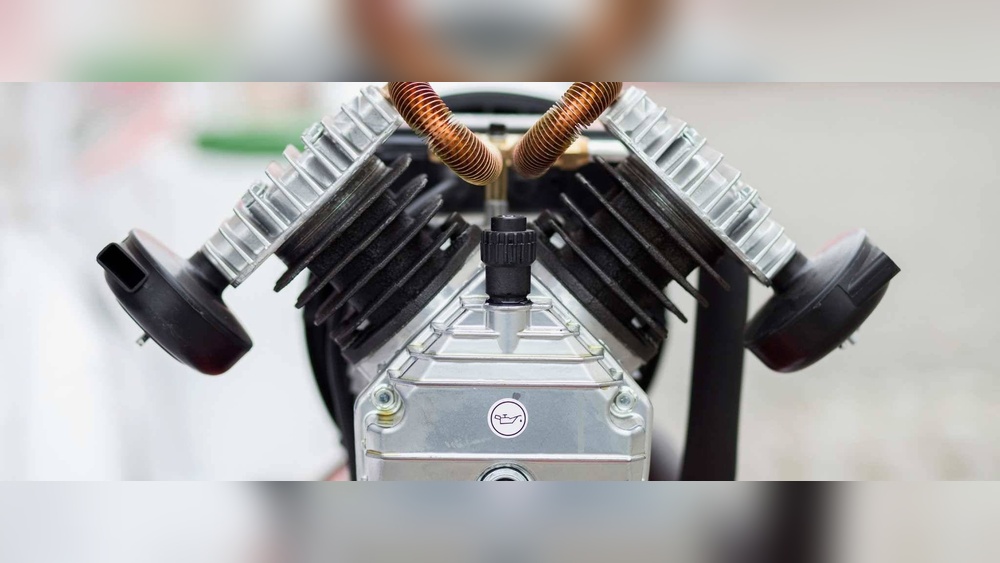
Choosing the right air compressor for auto detailing can make a huge difference in your work quality and speed. Whether you are a professional detailer or a car enthusiast, the right tool helps you blow out dirt, dry surfaces quickly, and run air tools like polishers or sprayers.
But with so many options, how do you know which air compressor is best for auto detailing?
Many people make mistakes when buying their first compressor. They may choose a model that is too small, too loud, or simply not powerful enough. Others buy big, expensive machines that are hard to move and use more energy than needed.
In this guide, you will find the top picks for air compressors for auto detailing, including what makes each one special, how they compare, and what to consider before buying. You’ll also discover some important insights that many beginners miss, so you can avoid common problems and get the best results every time.
Why Air Compressors Matter In Auto Detailing
Air compressors have many uses in car detailing. They help blow out dust from vents, under seats, and from tight corners that vacuums can’t reach. With the right attachments, they can dry vehicles quickly after washing, power airbrushes for precise cleaning, and operate pneumatic tools for polishing or sanding.
One key point many overlook: consistent air pressure is necessary for high-quality results. A compressor that loses pressure or cycles on and off can leave dirt behind or spray water where you don’t want it. Good compressors also save time by making drying and cleaning much faster.
Top 10 Air Compressors For Auto Detailing
Let’s look at the top models preferred by detailers, from portable units to more powerful garage models. Each compressor below has been chosen for its performance, reliability, and value for detailing work.
1. California Air Tools 8010
The California Air Tools 8010 is a favorite for its ultra-quiet operation and strong performance. With a noise level of only 60 decibels, you can use it in any garage or shop without disturbing neighbors or customers. It features an 8-gallon steel tank and delivers 3.0 CFM at 90 PSI, which is enough for most detailing tools, including blow guns and airbrushes.
One advantage: its oil-free pump requires little maintenance and starts easily, even in cold weather. The wheels and handle make it portable for moving around the car or shop. Many detailers appreciate how quickly it recovers and how steady the airflow feels, especially when drying door jambs or engine bays.
2. Makita Mac2400 Big Bore 2.5 Hp
The Makita MAC2400 is known for durability and power. It uses a “Big Bore” piston design, which means it fills the tank quickly and keeps pressure high, even with demanding tools. The 4.2-gallon twin-stack tank delivers 4.2 CFM at 90 PSI, enough for dual blow guns or larger cleaning jobs.
It’s a bit heavier (about 77 lbs), but its roll cage and tough build handle shop environments well. This model is especially good for detailers who also do light mechanical work or need a compressor that can handle multiple jobs.
The pump is oil-lubricated, so it’s quieter and lasts longer, but it does require checking oil levels from time to time.
3. Dewalt Dwfp55126 6-gallon Pancake Compressor
The DEWALT DWFP55126 is a compact, “pancake” style compressor. It’s very easy to carry and store, making it popular for mobile detailers. With a maximum of 165 PSI and 2.6 CFM at 90 PSI, it handles most light detailing needs like blowing out debris or drying trim.
This model starts up easily even in cold weather and runs at 75. 5 decibels, which is fairly quiet for its size. It has a high-flow regulator to maintain consistent air pressure, a feature beginners often overlook but find essential for even cleaning results.
Its rubber feet keep it stable on any surface.
4. Porter-cable C2002 Pancake Compressor
PORTER-CABLE’s C2002 is another pancake compressor, similar in shape to the DEWALT but with a 6-gallon tank and 150 PSI max. It delivers 2.6 CFM at 90 PSI, suitable for airbrushes, blow guns, and low-demand tools.
What stands out is its low weight (about 30 lbs) and shroud design, which protects the components from bumps. This model is a good entry-level option for those starting auto detailing at home or on the go. It comes with a water drain valve to reduce moisture buildup, which helps prevent rust and tool problems.
5. Bostitch Btfp02012 Oil-free Compressor
The BOSTITCH BTFP02012 offers similar specs to the previous two models—6-gallon tank, 150 PSI, and 2.6 CFM at 90 PSI. It’s oil-free, so there’s no messy maintenance, and it weighs only 29 lbs, making it easy to move around.
One unique feature: it recovers air quickly, which means less waiting time between tasks. This is important for detailers who need to blow out many cars in a day. The control panel is simple, with clear gauges and a single turn-on knob, so even beginners can use it easily.
6. Rolair Jc10 Plus 1 Hp Oil-less Compressor
Rolair JC10 Plus is valued for being very quiet—only 60 decibels. It has a 2.5-gallon tank and produces 2.35 CFM at 90 PSI, which is enough for airbrushing, blowing, and light pneumatic tools.
While the tank is smaller, this model’s strong point is its low noise, which is perfect for detailers working in residential areas or enclosed spaces. The roll cage protects the motor, and the oil-free pump saves time on maintenance. Some users say it can run for hours without getting hot, which is a big advantage for long detailing sessions.
7. Campbell Hausfeld Dc080500 Quiet Air Compressor
The Campbell Hausfeld DC080500 offers 8 gallons of capacity with a quiet (68 decibels) motor. It delivers 2.4 CFM at 90 PSI—enough for most detailing tasks, including interior cleaning and drying.
This model is on wheels and has a sturdy handle, making it easy to move. It also has a dual-piston pump, which lasts longer and fills the tank faster than single-piston designs. The tank’s horizontal shape fits well under benches, saving space in busy garages.
8. Senco Pc1010n 1-gallon Compressor
For those who need maximum portability, the Senco PC1010N is a compact, lightweight (21 lbs) choice. It has a 1-gallon tank and delivers 0.7 CFM at 90 PSI, which is best for airbrushing or blowing out tight spots.
While it’s not suited for heavy-duty tools, its small size is perfect for mobile detailers or anyone with limited space. The pump is oil-free, so there’s no maintenance, and the noise level is low enough for indoor use. Many detailers use this as a second compressor for touch-ups or interiors.
9. Ingersoll Rand P1.5iu-a9 Garage Mate
The Ingersoll Rand Garage Mate is a professional-grade compressor with a 20-gallon tank and 5.5 CFM at 90 PSI. It can handle any detailing task and run polishers, sanders, or multiple tools at once.
This model is heavier and more expensive, but it’s built for daily use in a busy shop. It features a cast iron pump for long life, an oil-lubricated motor for quiet operation, and an easy-access drain valve. This is the kind of compressor you buy if you want to grow your detailing business or already handle high volumes.
10. Craftsman Cmec6150k 6-gallon Compressor
The Craftsman CMEC6150K rounds out the list with a 6-gallon tank, 150 PSI max, and 2.6 CFM at 90 PSI. It’s oil-free, portable, and comes with a 13-piece accessory kit, which is great for beginners who want to start right away.
It performs well for blowing, drying, and running light tools. The built-in handle and sturdy feet make it easy to transport, and the pump starts reliably in cold weather. Its main advantage is value—good quality at a reasonable price, with extra tools included.

Credit: www.caranddriver.com
Comparison: Key Specs At A Glance
To help you compare the top choices, here is a quick look at the most important specs for auto detailing:
| Model | Tank Size | CFM at 90 PSI | Max PSI | Noise (dB) | Weight (lbs) |
|---|---|---|---|---|---|
| California Air Tools 8010 | 8 gal | 3.0 | 120 | 60 | 48 |
| Makita MAC2400 | 4.2 gal | 4.2 | 130 | 79 | 77 |
| DEWALT DWFP55126 | 6 gal | 2.6 | 165 | 75.5 | 30 |
| PORTER-CABLE C2002 | 6 gal | 2.6 | 150 | 82 | 30 |
| BOSTITCH BTFP02012 | 6 gal | 2.6 | 150 | 78.5 | 29 |
| Rolair JC10 Plus | 2.5 gal | 2.35 | 125 | 60 | 39 |
| Campbell Hausfeld DC080500 | 8 gal | 2.4 | 125 | 68 | 67 |
| Senco PC1010N | 1 gal | 0.7 | 135 | 68 | 21 |
| Ingersoll Rand P1.5IU-A9 | 20 gal | 5.5 | 135 | 80 | 200 |
| Craftsman CMEC6150K | 6 gal | 2.6 | 150 | 78 | 32.5 |
How To Choose The Best Air Compressor For Auto Detailing
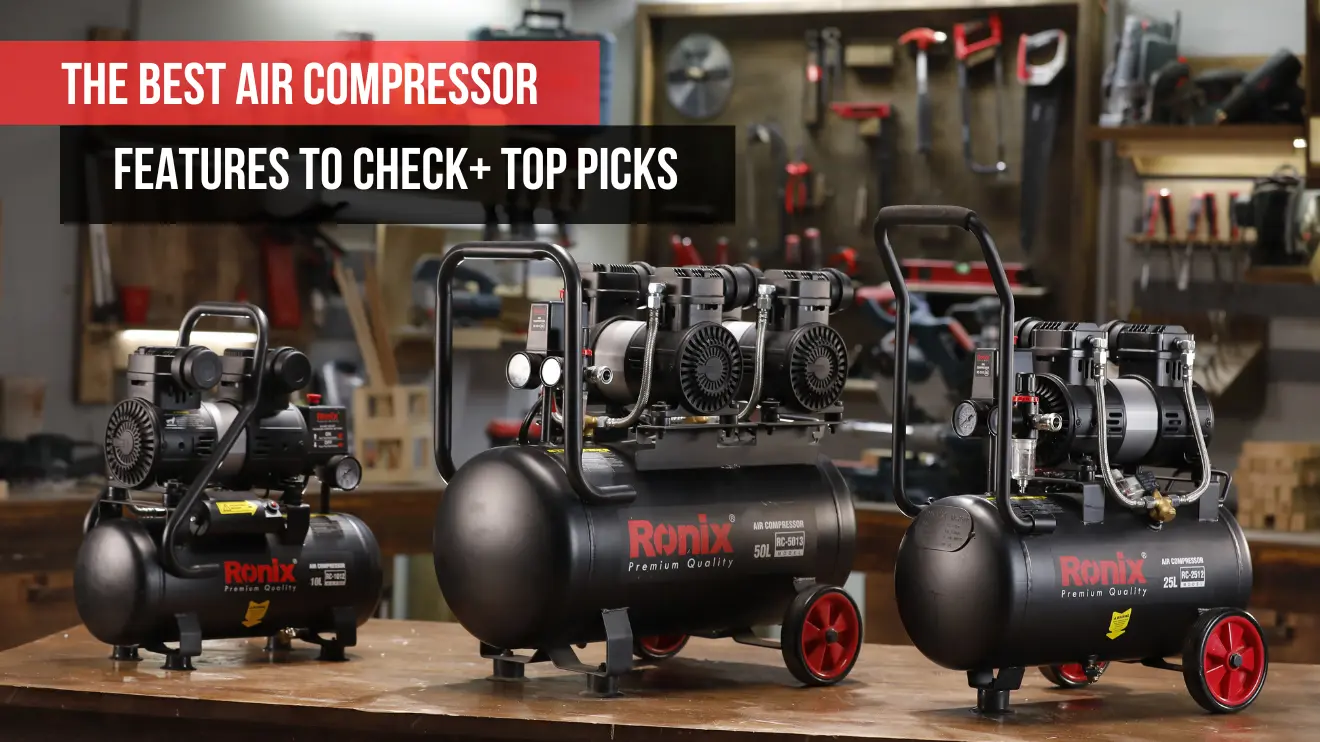
Picking the right air compressor depends on your needs, budget, and where you’ll use it. Here’s what you should consider before buying.
Tank Size And Portability
- Tank size affects how long you can use air tools without waiting for the compressor to refill. For most detailers, 6–8 gallons is a good balance between run time and portability.
- If you move often, choose a lighter, wheeled model. For a fixed shop, a larger tank (20 gallons or more) is fine.
Cfm And Psi Ratings
- CFM (Cubic Feet per Minute) shows how much air the compressor delivers. Most detailing tools need at least 2.0–3.0 CFM at 90 PSI.
- PSI (Pounds per Square Inch) tells you the maximum pressure. Higher PSI is not always better—what matters is steady airflow at working pressure.
Noise Level
- A quiet compressor (under 70 decibels) is best for working in homes or shops where noise is a concern. Many “quiet” models are now available, but check the decibel rating before buying.
Oil-free Vs. Oil-lubricated
- Oil-free compressors need less maintenance and are better for indoor or mobile work.
- Oil-lubricated units last longer and run cooler, but you must check and change oil regularly.
Duty Cycle
- The duty cycle shows how long a compressor can run before it needs to rest. For example, a 50% duty cycle means it should run 5 minutes, then rest 5 minutes. Professional detailers should look for compressors with a higher duty cycle to avoid overheating.
Moisture Management
- Compressors create moisture as air is compressed. This water can get into tools and cause problems or rust. Look for models with easy-access drain valves, and consider adding a water separator for frequent use.
Credit: ronixtools.com
Air Compressors And Auto Detailing: Real-world Examples
To see how these compressors perform in real jobs, let’s look at some examples.
- Mobile Detailer in the City: Sarah uses a DEWALT DWFP55126 because it fits in her car, is quiet enough for apartment complexes, and has enough power for blow guns and airbrushes. She likes the quick recovery time and easy setup.
- Shop Owner with Multiple Bays: Mike runs a busy shop and uses the Ingersoll Rand Garage Mate. It powers multiple tools at once, including polishers and sprayers. While it’s heavy, he never worries about running out of air or the machine overheating.
- Enthusiast Working at Home: David details one or two cars a week and chose the California Air Tools 8010. The quiet operation lets him work early mornings without waking his family. He appreciates the oil-free design and steady airflow.
Common Mistakes When Choosing An Air Compressor
Many first-time buyers make choices that cost them time and money. Here are a few to avoid:
- Underestimating CFM Needs: It’s easy to pick a cheap, small compressor, but if it can’t keep up with your tools, you’ll wait for pressure to build and work will slow down.
- Ignoring Noise Levels: Some compressors are very loud—over 80 decibels—which can be a problem in neighborhoods or small shops.
- Forgetting Portability: A heavy, stationary compressor is hard to move. Think about where you’ll use it and how often you’ll move it.
- Not Checking Duty Cycle: Running a compressor past its duty cycle can cause overheating and shorten its life.
- Skipping Moisture Control: If you don’t drain the tank or use a filter, water can get into tools and create rust or damage surfaces.
Practical Tips For Getting The Most From Your Air Compressor
- Always drain the tank after each use to prevent water buildup and rust.
- Use quick-connect fittings to switch between tools faster.
- If using for drying, hold the nozzle at an angle to avoid blowing water deeper into crevices.
- For interiors, use a rubber-tipped blow gun to avoid scratching plastic or trim.
- Keep the compressor in a clean, dry area to extend its life.
- Check hoses and connections regularly for leaks, which can reduce performance.
Accessories That Improve Auto Detailing
Some accessories make air compressors even more useful for detailing:
- Blow Guns: Essential for removing dust from vents and cracks.
- Airbrush Kits: For cleaning tight spots or applying protective coatings.
- Tornado Guns: These spin air and cleaning solution for deep cleaning carpets or seats.
- Moisture Filters: Prevent water from entering tools or being sprayed onto surfaces.
- Extension Hoses: Allow you to reach all areas of the car without moving the compressor.
Many beginners miss the importance of using the right attachments. For example, a tornado gun needs a compressor with higher CFM, while a basic blow gun works with almost any model.
Credit: www.biblesautointeriors.com
Advanced Insights: What Experts Know
- Keep spare couplers and hoses: A failed connector can stop your work. Having extras saves time.
- Use a regulator close to the tool: This ensures you get the correct pressure, especially for sensitive jobs like airbrushing.
- Regular maintenance: Even oil-free compressors benefit from cleaning intake filters and checking for leaks.
Compressor Types: Portable Vs. Stationary
Choosing between portable and stationary compressors affects your workflow:
| Type | Best For | Pros | Cons |
|---|---|---|---|
| Portable | Mobile detailers, home users | Easy to move, smaller, usually quieter | Smaller tanks, lower CFM |
| Stationary | Shops, high volume use | Large tanks, high CFM, can power many tools | Heavy, not mobile, often louder |
How To Maintain Your Air Compressor
Proper maintenance keeps your compressor running well and extends its life:
- Drain the tank after use to remove water.
- Check the air filter monthly and clean or replace if dirty.
- Inspect hoses for cracks or leaks.
- Change oil (if oil-lubricated) according to the manufacturer’s schedule.
- Test the safety valve to ensure it works correctly.
- Store hoses properly to avoid kinks and cracks.
Failing to do these simple steps can result in loss of performance, more noise, and even damage to the compressor or your detailing tools.
The Real Cost Of Air Compressors For Auto Detailing
Prices for good compressors start around $150 for small pancake models and go up to $1000+ for large, shop-ready units. But cost isn’t just about the compressor—factor in:
- Accessories: Hoses, blow guns, and moisture filters add $50–$150.
- Electricity: Larger compressors use more energy.
- Maintenance: Oil, filters, and parts may add $20–$50 per year.
For most detailers, a $200–$400 compressor offers the best balance of power, noise, and portability.
When To Upgrade Your Compressor
You may need a bigger or better compressor if:
- You add more tools (like polishers or sprayers).
- You start working on multiple cars daily.
- Your current unit overheats or can’t keep up.
Upgrading saves time and reduces frustration, letting you take on more jobs or work faster.
One More Resource
For even deeper technical details on how air compressors work and their types, you can visit the Wikipedia Air Compressor page for further reading.
Frequently Asked Questions
What Size Air Compressor Do I Need For Auto Detailing?
A 6–8 gallon tank with at least 2. 0–3. 0 CFM at 90 PSI is enough for most auto detailing tasks. If you use heavy tools or work on many cars daily, consider a larger tank and higher CFM.
Is An Oil-free Or Oil-lubricated Compressor Better For Detailing?
Oil-free compressors are easier to maintain and better for indoor or mobile work. Oil-lubricated models last longer and run cooler but need regular maintenance. Choose based on how much you use the compressor and where you work.
How Can I Reduce Noise From My Air Compressor?
Choose a model with a low decibel rating (under 70 dB). Place the compressor on a rubber mat, and keep it away from walls to reduce vibration. Some people build a ventilated enclosure for extra noise reduction.
Do I Need A Moisture Filter For My Compressor?
Yes, especially if you use the compressor often or in humid conditions. Moisture can damage tools and leave water spots on surfaces. A moisture filter or water separator helps keep air dry.
Can I Use A Small Portable Compressor For All Detailing Tasks?
Small compressors are fine for light tasks like airbrushing or blowing out vents. For continuous work or high-demand tools, you’ll need a larger tank and higher CFM to avoid waiting for pressure to build.
Choosing the right air compressor is a smart investment for any auto detailer. With the right model, you’ll save time, work more comfortably, and deliver better results on every vehicle you touch.