
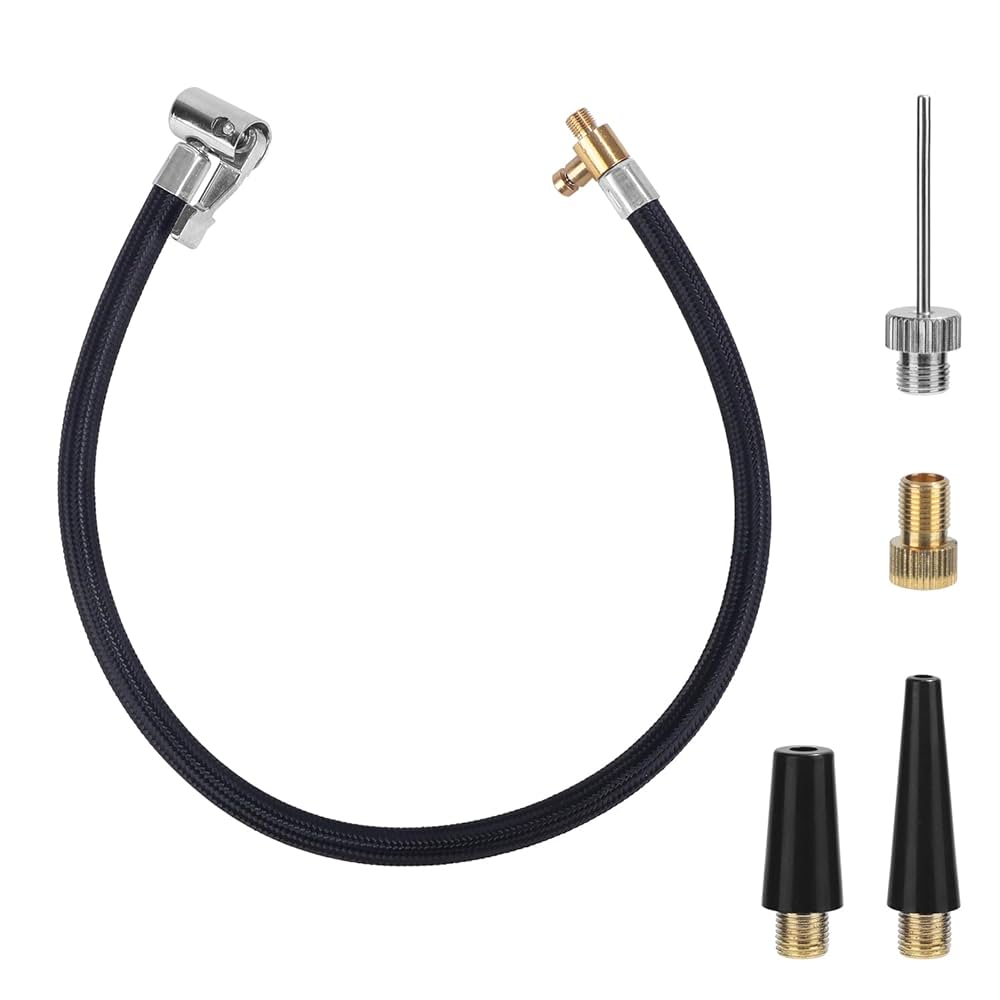
If you rely on an air compressor for your projects, having the right hose kit can make all the difference. Imagine working smoothly without interruptions, with a hose that’s built to last and easy to handle.
You want a kit that fits your needs perfectly, saves you time, and keeps your tools running at their best. You’ll discover everything you need to know about choosing the perfect air compressor hose kit—so you can get the job done faster and with less hassle.
Keep reading to find out how the right kit can transform your work and boost your productivity.
Choosing The Right Hose
Choosing the right air compressor hose is key for efficient work. The wrong hose can cause leaks, poor air flow, and safety risks. This guide helps you pick the hose that fits your needs.
Types Of Air Compressor Hoses
There are several types of hoses for air compressors. Rubber hoses are flexible and durable. PVC hoses are lightweight and easy to handle. Hybrid hoses combine rubber and PVC for strength and flexibility. Each type suits different tasks and environments.
Materials And Durability
Hose material affects how long it lasts. Rubber resists abrasion and weather well. PVC is less durable but cheaper and lighter. Hybrid hoses offer good wear resistance and flexibility. Choose a material that fits your work conditions.
Length And Diameter Considerations
Length matters for reach and air pressure. Longer hoses may reduce air pressure. Pick a length that covers your workspace without excess. Diameter affects air flow speed. Larger diameter hoses deliver more air but are heavier. Match diameter to your tool’s air needs.
Essential Components Of A Hose Kit
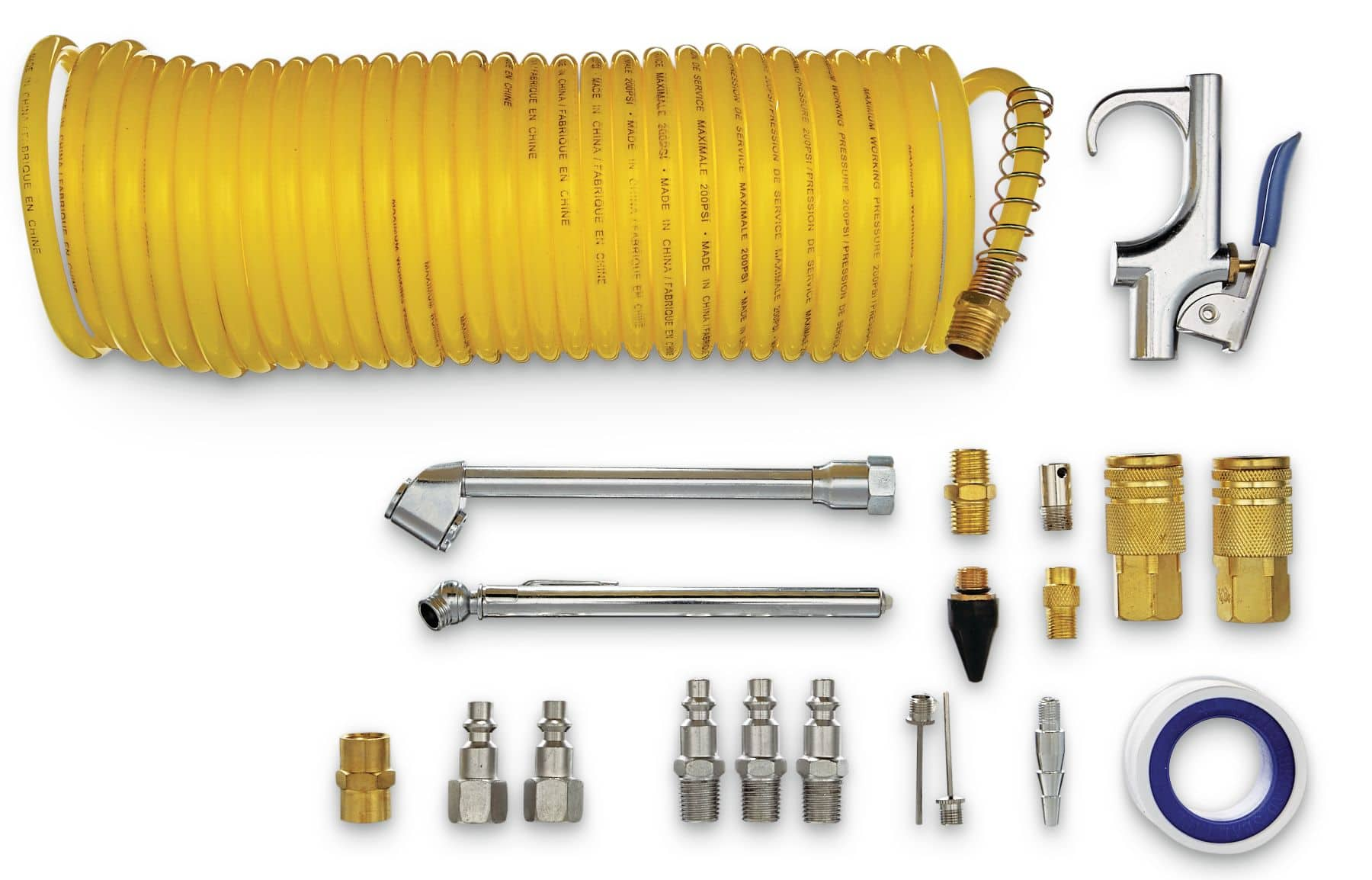
An air compressor hose kit includes several key parts. These parts work together to ensure the hose functions well. Knowing these components helps you choose the right kit.
The right components keep air flowing smoothly. They also prevent leaks and damage. Quality parts make your work easier and safer.
Connectors And Fittings
Connectors and fittings join the hose to the compressor and tools. They come in different shapes and sizes to fit various equipment. Strong metal fittings resist wear and tear. Proper connectors stop air leaks and keep pressure steady.
Couplers And Plugs
Couplers and plugs link hoses quickly and securely. They allow fast changes without tools. Good couplers maintain air tightness during use. Plugs close off unused hose ends to avoid air loss. These parts make your setup flexible and efficient.
Additional Accessories
Extra accessories improve hose use and safety. These include hose reels, clamps, and protective sleeves. Hose reels keep the hose tidy and easy to store. Clamps secure hoses in place during work. Protective sleeves guard against cuts and abrasion. Accessories extend hose life and add convenience.
Installation Tips
Installing an air compressor hose kit correctly ensures safety and performance. Follow these simple tips for a smooth setup. Proper installation prevents leaks and damage. It also extends the hose life and improves air flow.
Preparing The Hose
Start by inspecting the hose for any damage or dirt. Clean the ends to remove dust or grease. Cut the hose straight if needed, using a sharp tool. Make sure the hose length suits your workspace. Avoid tight bends or twists that can weaken the hose.
Secure Connections
Attach fittings firmly but avoid overtightening. Use thread tape on threaded connections to stop leaks. Check that all connectors fit snugly without gaps. Tighten clamps to hold the hose in place. Test the connections by running air at low pressure first.
Avoiding Common Mistakes
Do not stretch the hose beyond its limit. Avoid dragging the hose over sharp edges or rough surfaces. Keep the hose away from heat sources and chemicals. Replace worn or cracked hoses immediately. Store the hose coiled and off the ground to prevent damage.
Maintenance And Care
Proper maintenance and care extend the life of your air compressor hose kit. They keep the hose safe from damage and ensure it works well. Taking small steps regularly can prevent big problems later. This section covers simple ways to maintain your hose kit.
Regular Inspection
Check your hose for cracks, cuts, or leaks before each use. Look closely at the connectors and fittings. Replace any worn or damaged parts immediately. Early detection saves money and prevents accidents.
Cleaning Techniques
Wipe the hose with a damp cloth to remove dirt and dust. Avoid using harsh chemicals that can weaken the hose material. Dry the hose fully after cleaning to stop mold and mildew growth. Clean hoses perform better and last longer.
Storage Best Practices
Store your hose in a cool, dry place away from direct sunlight. Coil the hose loosely to avoid kinks and bends. Keep it off the ground to prevent dirt buildup and damage. Proper storage keeps the hose flexible and ready for use.
Troubleshooting Common Issues
Troubleshooting common issues with your air compressor hose kit can save time and money. Problems may seem tricky but often have simple fixes. Knowing what to check helps keep your tools working well. This guide covers three frequent problems and how to solve them quickly.
Leaks And Repairs
Leaks reduce air pressure and slow work. Check hose connections for cracks or holes. Use soapy water to find small leaks. Bubbles show where air escapes. Tighten fittings or replace damaged parts. A patch kit can fix minor hose tears. Avoid using tape as a long-term solution.
Pressure Loss Problems
Pressure loss lowers tool performance. Inspect the hose for blockages or kinks. Dirt or moisture inside can cause clogs. Drain the compressor tank regularly to avoid moisture build-up. Ensure the regulator is set correctly. Replace worn or damaged hose sections to maintain steady pressure.
Hose Kinking And Tangling
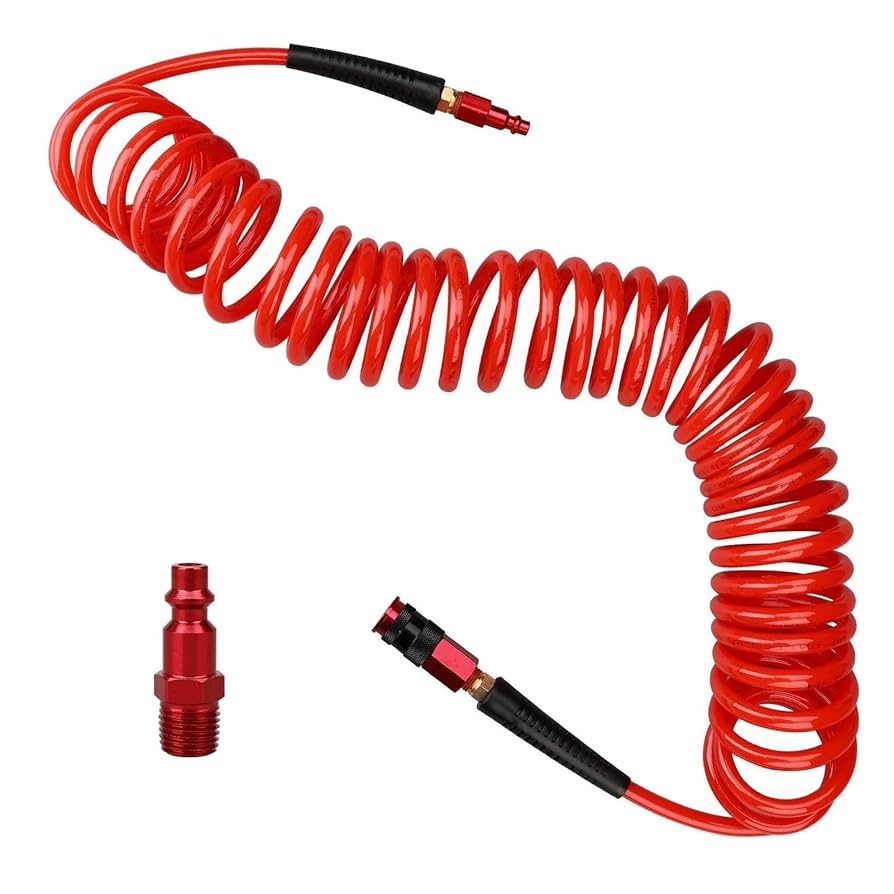
Kinking restricts airflow and damages the hose. Store the hose coiled loosely to prevent bends. Use hose reels or hooks for neat storage. Avoid sharp bends during use. Straighten the hose before connecting to tools. Regularly untangle to keep air flowing freely.
Credit: www.amazon.ca
Enhancing Performance
Enhancing the performance of your air compressor hose kit improves the efficiency of your tools. Better performance means less downtime and smoother work. Simple changes can make a big difference in how your system runs.
Optimizing Hose Layout
Arrange the hoses to avoid sharp bends and kinks. Keep hoses away from heat sources and sharp edges. Use hose reels or hooks to store hoses neatly. A clear layout reduces pressure loss and prevents damage.
Upgrading Components
Choose hoses with higher pressure ratings for tougher jobs. Replace worn-out fittings and connectors to stop leaks. Use durable materials like reinforced rubber or polyurethane. Stronger parts last longer and keep air flow steady.
Using Compatible Tools
Match your tools with the right hose size and pressure. Using compatible tools prevents strain on the hose. Check tool requirements before connecting them to the compressor. Proper matching ensures better air delivery and tool performance.
Safety Tips
Safety is the top priority when using an air compressor hose kit. Proper care reduces risks and keeps you safe. Follow simple safety tips to avoid accidents and injuries. Understanding hazards helps you work confidently and securely.
Handling Under Pressure
Always check the hose for damage before use. Do not use hoses with cracks or leaks. Secure connections tightly to prevent air escape. Never point the hose at yourself or others. Release pressure slowly to avoid sudden bursts. Keep hoses away from sharp objects and heat sources. Store hoses in a cool, dry place to maintain durability.
Protective Gear Recommendations
Wear safety glasses to protect your eyes from debris. Use gloves to avoid cuts and abrasions. Ear protection helps reduce noise from the compressor. Wear long sleeves and pants to protect your skin. Choose non-slip footwear to prevent falls. Ensure all protective gear fits well and is comfortable.
Emergency Procedures
Know how to quickly turn off the air compressor. Keep a first aid kit nearby for minor injuries. In case of a serious accident, call emergency services immediately. Do not try to repair the hose under pressure. Inform others in the area about any hazards. Regularly review emergency steps with everyone using the equipment.
Credit: www.canadiantire.ca
Top Brands And Models
Choosing the right air compressor hose kit affects your work and tool performance. Some brands offer durable, flexible hoses. Others focus on affordability or extra features. Knowing top brands and models helps make a good choice. This section reviews popular brands, compares budget and premium kits, and shares customer opinions.
Popular Hose Kit Brands
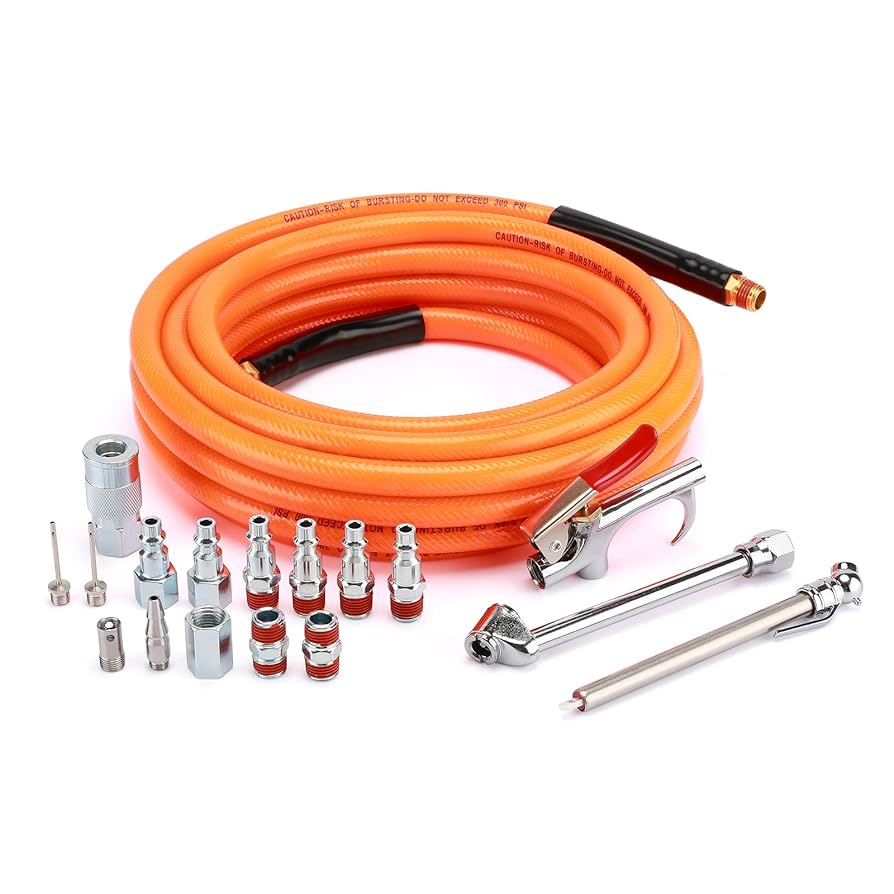
Several brands stand out for quality and reliability. Milton offers strong, flexible hoses with good fittings. Goodyear is known for durable, heavy-duty kits. Flexzilla provides lightweight and kink-resistant hoses. California Air Tools delivers complete kits with various hose lengths. Each brand has unique benefits for different needs.
Budget Vs Premium Options
Budget hose kits work well for occasional use. They often have simpler fittings and thinner hoses. Premium kits use higher-grade materials for longer life. They resist kinks and harsh weather better. Premium models may include extra accessories like quick-connect couplers. Choose based on how often and hard the kit will be used.
Customer Reviews Insights
Customers value durability and ease of use most. Many praise Flexzilla for its lightweight feel. Milton hoses get good marks for strong connectors. Some budget kits get lower scores for leaking or stiffness. Premium kits usually have better reviews but cost more. Reading reviews helps find a balance between price and quality.
Credit: www.amazon.ca
Frequently Asked Questions
What Is Included In An Air Compressor Hose Kit?
An air compressor hose kit typically includes a durable hose, connectors, couplers, and sometimes a tire inflator. These components ensure compatibility and ease of use with various air tools and compressors, providing a complete setup for efficient air delivery.
How Do I Choose The Right Hose Length?
Select a hose length based on your workspace size and tool reach. Longer hoses offer more flexibility but may reduce air pressure slightly. Measure your work area to find a balance between convenience and optimal performance.
Can Air Compressor Hose Kits Fit All Compressors?
Most kits are designed for universal fit with standard connectors. However, checking compatibility with your compressor’s fittings ensures a secure and leak-free connection. Always verify thread size and type before purchasing to avoid compatibility issues.
How Do I Maintain My Air Compressor Hose Kit?
Regularly inspect the hose for cracks or leaks. Keep connectors clean and tighten fittings as needed. Store the hose coiled and away from sharp objects or extreme temperatures to prolong its life and maintain performance.
Conclusion
Choosing the right air compressor hose kit saves time and effort. It keeps your tools working smoothly and safely. Durable hoses resist wear and leaks. Easy connections make your tasks faster and simpler. A good kit fits many jobs around your home or workshop.
Trust your equipment to handle pressure well. This helps you finish projects without interruptions. Keep your work efficient and hassle-free with the right hose kit. Quality and reliability matter most for long-term use. Take care of your tools, and they will take care of you.