
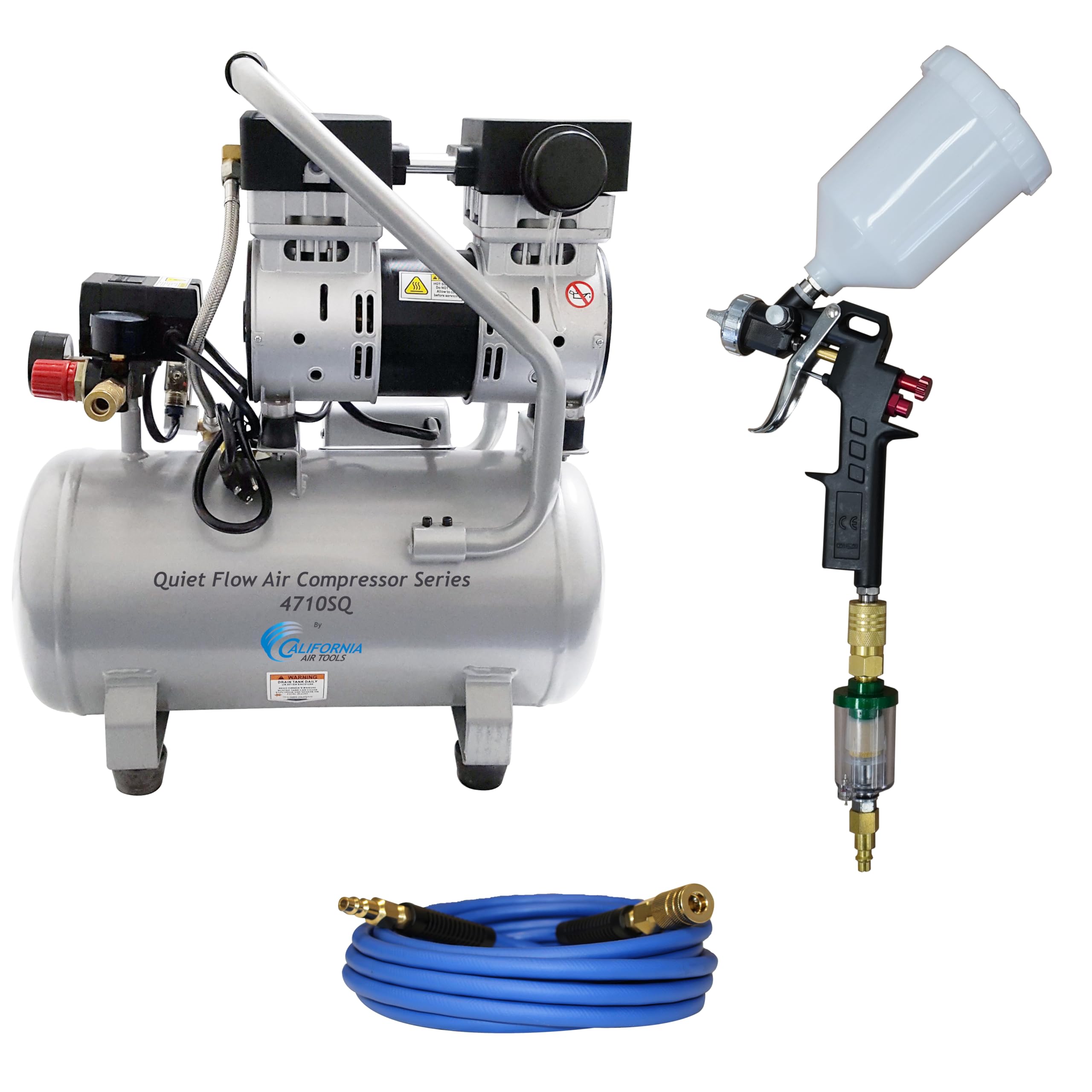
An air compressor paint gun is a tool that utilizes compressed air to spray paint. It offers a smooth finish and faster application compared to traditional methods.
Painting projects can be time-consuming and challenging, especially when aiming for a flawless finish. An air compressor paint gun streamlines the process, making it efficient and effective for both DIY enthusiasts and professionals. This tool is ideal for various surfaces, from furniture to walls, providing a consistent spray pattern and reduced overspray.
With adjustable settings, users can customize the flow and pressure to achieve their desired results. Understanding how to use an air compressor paint gun can elevate your painting experience, ensuring that each project turns out beautifully. Investing in this equipment can save time and enhance the quality of your work.
Introduction To Air Compressor Paint Guns
Air compressor paint guns are powerful tools for painting tasks. They use compressed air to spray paint evenly. Many DIY enthusiasts and professionals love them. Their speed and efficiency make projects easier.
Essential Tool For Diy Enthusiasts
An air compressor paint gun is a must-have for DIY projects. It offers:
- Speed: Covers large areas quickly.
- Quality: Produces smooth, even finishes.
- Versatility: Works with various paint types.
Using a paint gun reduces brush strokes and drips. It saves time and effort. Here are some key benefits:
- Cost-Effective: Less paint wastage means lower costs.
- Precision: Control over spray patterns.
- Easy Cleanup: Quick to clean and maintain.
The Rise Of Home Automotive Projects
Home automotive projects are gaining popularity. Many car enthusiasts want to customize their vehicles. Air compressor paint guns help achieve professional results at home.
These tools allow for:
- Custom Paint Jobs: Unique designs and colors.
- Touch-Ups: Easy repairs on scratches and chips.
- Restorations: Bring old cars back to life.
With an air compressor paint gun, anyone can transform their car. The results can be stunning and satisfying.
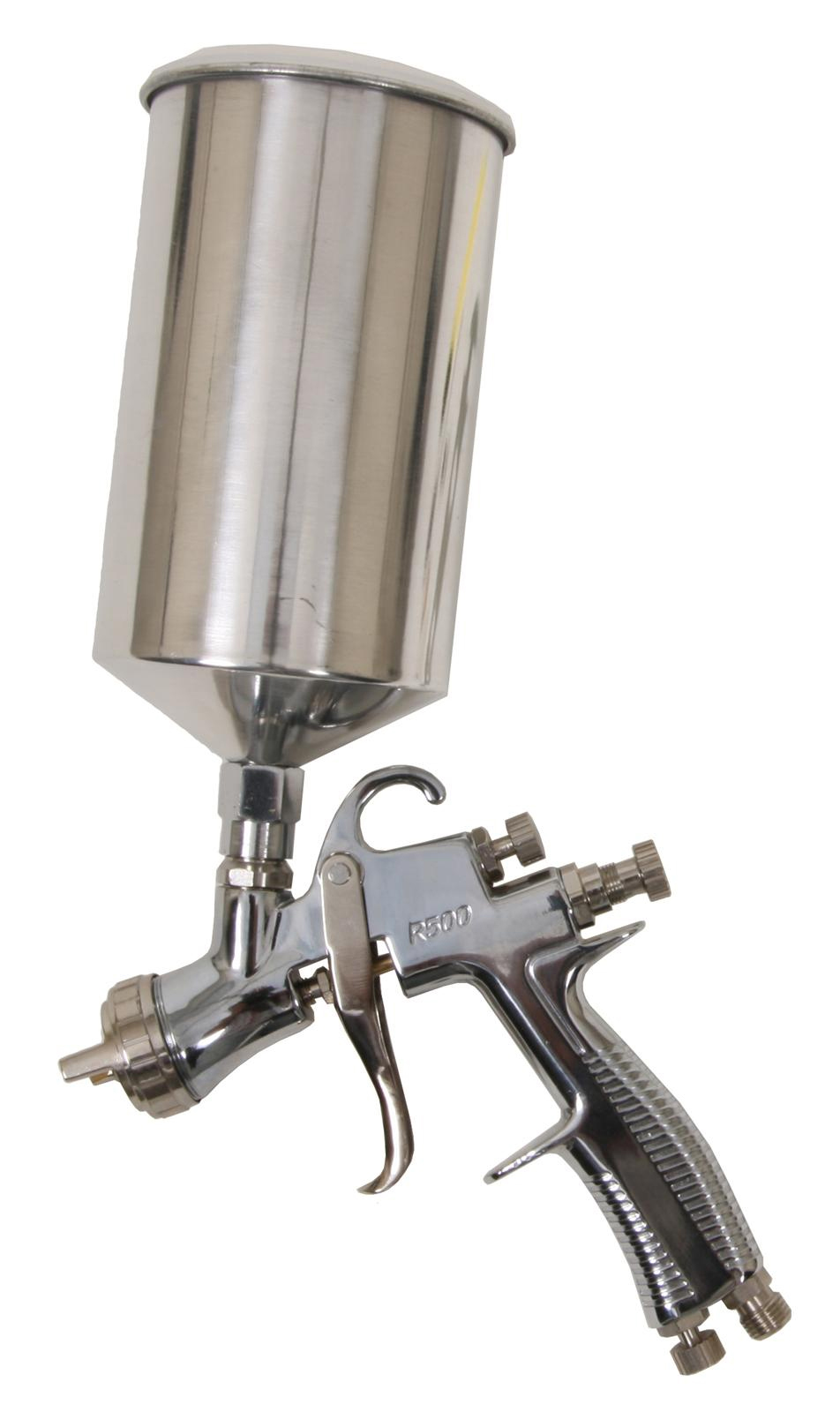
Credit: help.summitracing.com
Types Of Air Compressor Paint Guns
Choosing the right air compressor paint gun is crucial. Each type serves a unique purpose. Understanding the differences helps in making an informed choice.
Gravity Feed Vs. Siphon Feed
Gravity feed and siphon feed are two main types of paint guns. Here’s a breakdown of their differences:
| Feature | Gravity Feed | Siphon Feed |
|---|---|---|
| Paint Delivery | Paint flows from the cup by gravity. | Paint is drawn from a container below the gun. |
| Efficiency | Less paint waste, better control. | More paint wastage, less control. |
| Ideal Use | Detail work and fine finishes. | Larger surfaces and heavy coatings. |
Gravity feed guns offer precise control. They work well for detailed projects. Siphon feed guns are suitable for larger areas. They can handle thicker paints effectively.
Hvlp Guns And Their Advantages
HVLP stands for High Volume Low Pressure. These guns are popular among painters. They reduce overspray, saving paint and time.
- Efficiency: Uses less paint for the same coverage.
- Control: Better control over paint flow.
- Less Overspray: Minimizes waste and mess.
- Environmentally Friendly: Reduces harmful emissions.
HVLP guns work well for delicate surfaces. They are ideal for furniture, cabinets, and cars. Painters prefer HVLP for its reliability and ease of use.
Selecting The Right Air Compressor
Selecting the right air compressor is crucial for using a paint gun effectively. The right compressor ensures smooth operation and optimal performance. Understanding specific requirements helps make an informed choice.
Understanding Cfm And Psi Requirements
CFM (Cubic Feet per Minute) and PSI (Pounds per Square Inch) are key metrics for air compressors.
- CFM: Measures the volume of air produced. Higher CFM is needed for larger paint guns.
- PSI: Measures the pressure of the air. Higher PSI allows for better atomization of paint.
Check your paint gun specifications for required CFM and PSI. Here’s a simple table for reference:
| Type of Paint Gun | Required CFM | Required PSI |
|---|---|---|
| HVLP Gun | 8-14 CFM | 10-30 PSI |
| Conventional Gun | 5-10 CFM | 30-50 PSI |
| Airless Sprayer | 2-5 CFM | 2000-3000 PSI |
Portable Vs. Stationary Compressors
Choosing between portable and stationary compressors depends on your needs.
- Portable Compressors:
- Easy to move.
- Great for small projects.
- Lower CFM and PSI ratings.
- Stationary Compressors:
- Higher CFM and PSI outputs.
- Ideal for larger jobs.
- More expensive but powerful.
Evaluate your project size and frequency of use. This will guide your choice.
Preparing The Paint Gun For Use
Before starting your painting project, proper preparation is essential. A well-prepared air compressor paint gun ensures smooth application and great results. Follow these steps to get your paint gun ready.
Assembling The Components
Gather all necessary parts for your paint gun. Here are the main components:
- Air Compressor
- Paint Gun
- Hoses
- Paint
- Filters
- Protective Gear
Start by connecting the paint gun to the air compressor. Ensure a tight fit to avoid leaks. Here’s how to do it:
- Attach the hose to the compressor.
- Connect the other end to the paint gun.
- Secure all connections with clamps.
Check for any loose parts. Tighten where necessary. Clean the paint gun if it has been used before.
Adjusting The Settings For Optimal Performance
Adjust the settings on your paint gun for the best results. Key settings include:
| Setting | Recommended Value |
|---|---|
| Air Pressure | 20-30 PSI |
| Fluid Flow | Medium |
| Fan Pattern | Adjustable |
Start with 20-30 PSI for air pressure. Adjust fluid flow to medium. Set the fan pattern based on your project needs.
Test the spray pattern on a piece of scrap material. Adjust until you achieve an even coat. This step helps avoid drips and uneven coverage.
Paint Preparation And Mixing
Preparing and mixing paint correctly is vital for a smooth finish. A well-mixed paint ensures even color and texture. Using an air compressor paint gun requires special attention to paint viscosity and mixing techniques.
The Importance Of Paint Viscosity
Paint viscosity refers to how thick or thin the paint is. The right viscosity helps the paint flow smoothly through the gun. If the paint is too thick, it can clog the nozzle. If it’s too thin, it can run and create drips.
| Viscosity Level | Description | Result |
|---|---|---|
| Low Viscosity | Thin paint, easy to spray | Possible drips and runs |
| Medium Viscosity | Balanced thickness | Good flow, smooth finish |
| High Viscosity | Thick paint, hard to spray | Clogs and uneven application |
Steps For Proper Paint Mixing
Follow these steps for effective paint mixing:
- Gather materials: Paint, thinner, stir stick, and measuring cup.
- Measure the paint: Use the measuring cup for accuracy.
- Add thinner: Follow the manufacturer’s guidelines for ratio.
- Mix thoroughly: Use the stir stick to combine paint and thinner.
- Test viscosity: Dip a brush and check the flow.
Mixing paint correctly enhances your air compressor paint gun experience. Proper viscosity leads to a professional-looking finish.
Techniques For A Flawless Finish
Achieving a flawless finish with an air compressor paint gun requires skill and knowledge. Understanding spray patterns and common paint problems can make all the difference. Here are essential techniques to enhance your painting results.
Spray Patterns And Movements
Different spray patterns affect the outcome of your paint job. Familiarize yourself with various patterns:
- Horizontal: Good for large surfaces.
- Vertical: Ideal for tall objects.
- Round: Best for detailed work.
Movements are just as crucial. Maintain a steady hand while moving the gun. Use these tips for better control:
- Keep the gun perpendicular to the surface.
- Move at a consistent speed.
- Overlap each stroke by about 30%.
Practice different movements to see what works best for you. Consistency leads to a better finish.
Dealing With Common Paint Problems
Even experienced painters face issues. Here are common problems and how to fix them:
| Problem | Solution |
|---|---|
| Runs and Drips | Reduce paint flow and increase distance from surface. |
| Orange Peel Texture | Adjust air pressure and thin paint properly. |
| Poor Adhesion | Ensure surface is clean and properly prepared. |
Stay alert to these issues. Quick fixes can save your project.
Maintenance And Cleaning
Keeping your air compressor paint gun clean is crucial. Proper maintenance ensures smooth operation and extends its lifespan. Regular cleaning and troubleshooting can prevent paint build-up and performance issues.
Routine Cleaning For Longevity
Regular cleaning protects your paint gun from damage. Follow these steps for effective cleaning:
- Disconnect the air compressor.
- Empty the paint cup and clean it thoroughly.
- Soak the nozzle in a solvent recommended by the manufacturer.
- Use a brush to remove paint from hard-to-reach areas.
- Rinse all parts with clean water.
- Dry each component before reassembling.
Perform this cleaning routine after each use. This helps prevent clogs and keeps your paint gun in top shape.
Troubleshooting Tips For Paint Gun Issues
Even with proper maintenance, issues can arise. Here are some common problems and their solutions:
| Issue | Solution |
|---|---|
| Paint not spraying | Check for clogs in the nozzle. |
| Uneven spray pattern | Adjust the spray pressure or clean the nozzle. |
| Drips from the gun | Tighten connections and clean the paint cup. |
| Air leaks | Inspect hoses for damage and replace if needed. |
Addressing these issues quickly can save time and money. Regular checks and cleaning will keep your paint gun functioning well.
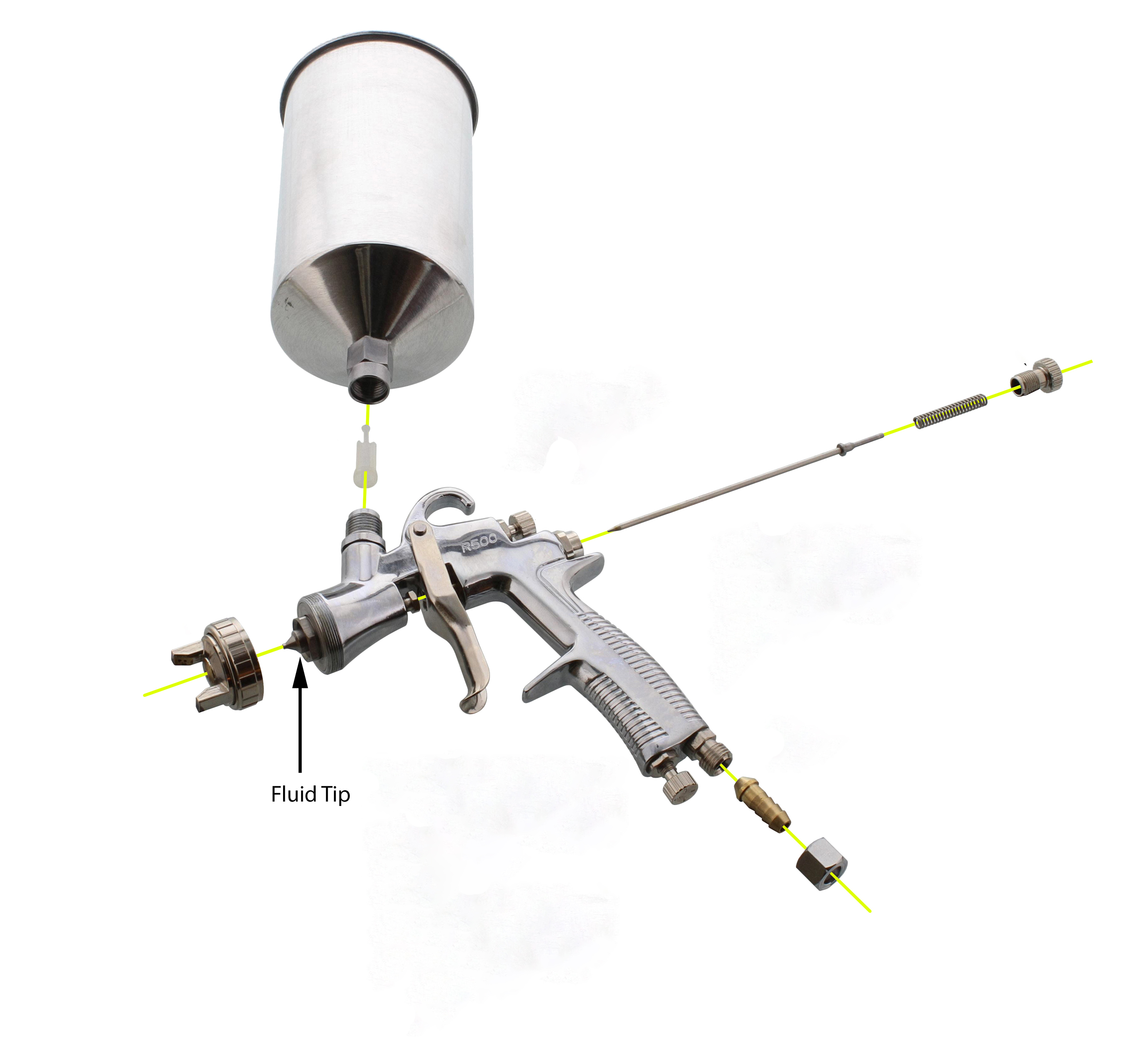
Credit: help.summitracing.com
Safety Measures And Best Practices
Using an air compressor paint gun can be safe and effective. Following proper safety measures is essential. This section covers important safety tips. Focus on personal protection and environmental care.
Personal Protective Equipment (ppe)
Wearing the right Personal Protective Equipment (PPE) is crucial. It protects your body from harmful substances. Here are the essential items:
- Respirator Mask: Filters harmful fumes and particles.
- Goggles: Shields eyes from paint splatter.
- Gloves: Prevents skin contact with chemicals.
- Coveralls: Protects clothing and skin.
Use high-quality PPE. Replace damaged gear immediately. Always check fit and comfort before starting.
Environmental Considerations
Protecting the environment is essential during painting projects. Follow these guidelines:
| Consideration | Best Practice |
|---|---|
| Paint Disposal | Use designated disposal sites for hazardous waste. |
| Ventilation | Work in well-ventilated areas to reduce fumes. |
| Overspray Control | Use drop cloths to catch excess paint. |
Choose low-VOC paints. These are safer for both you and the environment. Clean up spills immediately to prevent contamination.
Case Studies: Success Stories With Air Compressor Paint Guns
Air compressor paint guns have transformed many projects. They provide a smooth finish and save time. Let’s explore two success stories showcasing their impact.
Diy Car Restoration Projects
Many car enthusiasts use air compressor paint guns for restoration. Here are some notable examples:
- Classic Chevy Restoration: A vintage Chevy was brought back to life. Using a paint gun, the owner achieved a flawless finish.
- Rusty Ford Revival: A rusty Ford was transformed into a head-turner. The air compressor made painting easy and fun.
Benefits of using air compressor paint guns for car restoration:
| Benefit | Description |
|---|---|
| Efficient Coverage | Evenly coats large surfaces quickly. |
| Adjustable Spray Patterns | Customize the spray for different areas. |
| Reduced Overspray | Minimizes waste of paint and mess. |
Furniture Refinishing And Upcycling
Air compressor paint guns are perfect for furniture projects. Many creators have shared their success stories:
- Mid-Century Modern Chair: A dated chair was revitalized with a vibrant color. The paint gun provided a smooth finish.
- Rustic Farmhouse Table: An old table received a fresh coat. The even application made it look brand new.
Key advantages of air compressor paint guns for furniture refinishing:
- Speed: Finish projects faster than traditional methods.
- Precision: Targeted application for detailed work.
- Versatility: Works with various paint types and finishes.
Conclusion: Empower Your Painting Projects
Mastering the use of an air compressor paint gun can transform your painting tasks. It offers speed, precision, and a professional finish. Embrace this tool to elevate your DIY projects.
Summary Of Key Takeaways
- Efficiency: Paint guns save time and effort.
- Quality: Achieve a smooth, even coat.
- Versatility: Suitable for various surfaces and materials.
- Easy to Use: Simple setup and operation.
Encouragement To Start Your Own Project
Don’t hesitate to start your painting project. Gather your materials and choose a space. Consider these simple steps:
- Choose your paint type.
- Set up your air compressor.
- Practice on a scrap surface.
- Begin painting with confidence.
Experiment with colors and techniques. Enjoy the satisfaction of your hard work. The air compressor paint gun is your best friend in creating beautiful projects. Let your creativity shine!

Credit: www.harborfreight.com
Frequently Asked Questions
What Is An Air Compressor Paint Gun?
An air compressor paint gun is a tool that uses compressed air to spray paint. It provides a smooth and even application of paint on various surfaces. These guns are popular among professionals and DIY enthusiasts for their efficiency and ability to cover large areas quickly.
How Do I Choose The Right Paint Gun?
To choose the right paint gun, consider the type of project you have. Look at the paint viscosity, the size of the area to be covered, and the finish you desire. It’s also important to consider the gun’s compatibility with your air compressor and its ease of use.
Can I Use Any Air Compressor With A Paint Gun?
Not every air compressor is suitable for a paint gun. You need one that can deliver adequate pressure and airflow. Check the paint gun’s specifications to ensure compatibility. A compressor with a minimum of 4-5 CFM at 40 PSI is generally recommended for optimal performance.
How Do I Clean An Air Compressor Paint Gun?
Cleaning your paint gun is essential for maintaining its performance. Start by flushing the gun with a suitable solvent immediately after use. Disassemble the gun as per the manufacturer’s instructions, and clean each part thoroughly. Regular maintenance helps prevent clogs and ensures longevity.
Conclusion
Choosing the right air compressor paint gun can elevate your painting projects. Consider factors like pressure, nozzle size, and ease of use. Investing in quality tools ensures a smooth finish and saves time. Explore various options to find the perfect fit for your needs.
Enjoy the benefits of a professional-grade finish at home!