

If you rely on a compressor for your work, you know how important every part is—especially the air hose. Choosing the right air hose for your compressor can make a big difference in performance, safety, and ease of use.
But with so many options out there, how do you pick the one that fits your needs? You’ll discover what makes a great air hose, how to avoid common mistakes, and tips to get the most out of your compressor setup.
Keep reading to make sure your tools work smoothly and last longer.
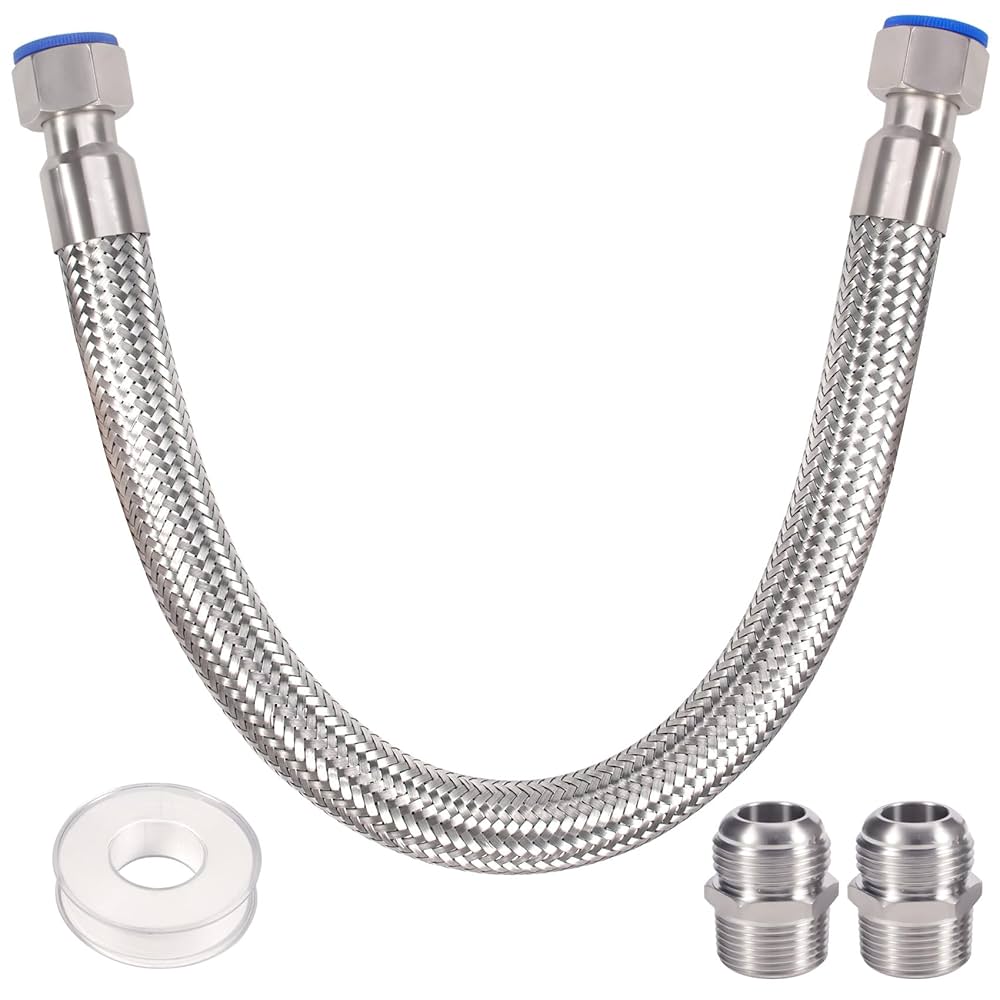
Credit: www.amazon.ca
Types Of Air Hoses
Air hoses are essential for connecting compressors to tools. They come in various types, each designed for specific tasks and environments. Choosing the right air hose improves efficiency and safety. Understanding the main types helps you pick the best option.
Pvc Air Hoses
PVC air hoses are lightweight and affordable. They resist kinks and twists, making them easy to handle. These hoses work well for light-duty tasks and indoor use. They are less flexible in cold weather. PVC hoses are great for budget-conscious users.
Rubber Air Hoses
Rubber air hoses offer strong durability and flexibility. They handle high pressure and rough use with ease. These hoses resist heat, oil, and chemicals. Rubber hoses suit heavy-duty jobs and outdoor use. They last longer but weigh more than PVC hoses.
Hybrid Air Hoses
Hybrid air hoses combine rubber and PVC features. They are lighter than rubber but more durable than PVC. These hoses resist abrasion and weather well. Hybrids work well in various conditions and tasks. They balance flexibility, weight, and strength.
Polyurethane Air Hoses
Polyurethane air hoses are very lightweight and flexible. They resist kinks, cuts, and abrasions effectively. These hoses handle cold temperatures better than others. Polyurethane is great for delicate tools and tight spaces. They last long and stay easy to move.
Key Features To Consider
Choosing the right air hose for your compressor matters a lot. It affects how well your tools work and how long the hose lasts. Several key features help you pick the best hose for your needs. These features ensure safety, performance, and ease of use. Understanding them helps you make a smart choice.
Durability And Flexibility
A strong hose lasts through tough jobs. Look for materials that resist wear and tear. Flexibility is just as important. A hose that bends easily avoids kinks and breaks. This keeps air flowing smoothly during work.
Pressure Ratings
Every hose has a limit on air pressure. Check the pressure rating before buying. Use a hose that matches or exceeds your compressor’s pressure. This prevents accidents and hose damage.
Length And Diameter
Choose the right length to reach your work area. Too long can reduce air pressure; too short limits movement. Diameter affects air flow volume. Bigger diameter means more air but less pressure. Find a balance for your tools.
Temperature Resistance
Hoses face hot and cold conditions on job sites. Pick hoses that handle wide temperature ranges. This stops cracking or softening. A hose with good temperature resistance lasts longer and works better.
Choosing The Right Hose Material
Choosing the right hose material for your air compressor is important. The hose must fit the task to work well and last long. Different materials suit different jobs. Picking the best one protects your tools and keeps work safe.
Application Suitability
Different jobs need different hose types. Some tasks require flexible hoses. Others need hoses that handle high pressure. Check the tool’s air pressure needs. Match the hose strength to that pressure. Use lightweight hoses for easy handling. Heavy-duty hoses suit tough jobs better.
Environmental Factors
Hoses face different environments. Some work outside in sun and rain. Others stay in dry, clean workshops. Choose hoses that resist weather damage. UV rays can weaken some materials. Cold temperatures make some hoses stiff. Hot areas need hoses that don’t melt or soften. Pick a hose that fits your work setting.
Chemical Resistance
Air hoses may contact oils, fuels, or chemicals. Some materials break down with these substances. Choose hoses that resist chemicals you use. Rubber and PVC have different resistance levels. Know what liquids your hose may touch. Use proper materials to avoid damage and leaks.
Fittings And Connectors
Fittings and connectors are key parts of air hose systems. They join the hose to the compressor and other tools. The right fittings ensure smooth airflow and strong connections. Choosing good fittings prevents air leaks and keeps the system safe.
Types Of Fittings
There are several types of fittings for air hoses. Quick-connect fittings allow fast changes without tools. Threaded fittings screw tightly for a secure hold. Barbed fittings fit inside the hose and use clamps for grip. Each type fits different needs and tools.
Compatibility With Compressors
Fittings must match the compressor’s outlet size and type. Check the thread size and shape before buying. Using wrong fittings can cause leaks or damage. Some compressors need specific fittings to work correctly. Always verify compatibility for best performance.
Sealing And Leak Prevention
Sealing is important to stop air leaks. Use Teflon tape or sealant on threaded fittings. Quick-connect fittings have built-in seals to hold air tight. Tight connections reduce energy loss and noise. Proper sealing improves safety and saves money.
Maintenance Tips For Longevity
Air hoses for compressors need proper care to last long. Taking simple steps can keep hoses safe and working well. This helps avoid leaks, bursts, and costly replacements. Follow these maintenance tips to get the most from your air hoses.
Proper Storage
Store air hoses in a cool, dry place away from sunlight. Avoid sharp bends or kinks that can weaken the hose. Use hose reels or hooks to keep hoses off the ground. This prevents damage and keeps hoses ready for use.
Regular Inspection
Check hoses often for cracks, holes, or wear. Look at fittings and connections for tightness and damage. Catch problems early to prevent leaks or bursts. Replace damaged parts quickly to keep the hose safe.
Cleaning And Repairs
Clean hoses regularly to remove dirt and debris. Use mild soap and water, then dry thoroughly. Fix small leaks or cracks with proper repair kits. Don’t ignore damage; repair or replace parts as needed to ensure safety and performance.
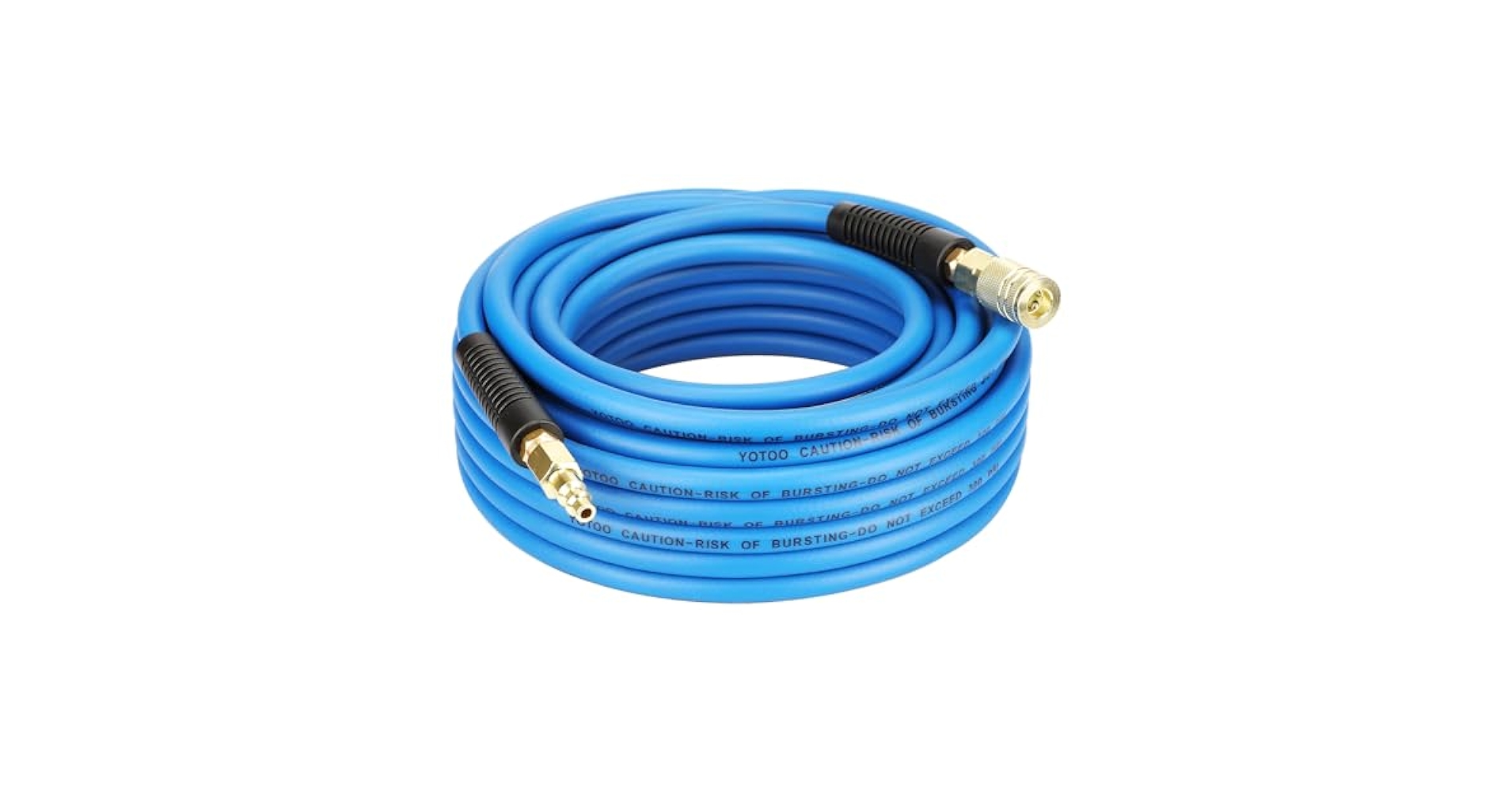
Credit: www.amazon.com
Safety Considerations
Safety is very important when using air hoses for compressors. These hoses carry high pressure air that can be dangerous. Careful handling can prevent accidents and damage. Understanding key safety tips helps protect users and equipment.
Handling High Pressure
Air hoses carry compressed air under high pressure. Never point the hose at yourself or others. Always check the hose for damage before use. Replace any hose that shows wear or cracks. Use hoses rated for the compressor’s pressure. Secure all connections tightly to avoid leaks. Sudden bursts can cause serious injuries.
Avoiding Kinks And Twists
Kinks and twists weaken the hose and cause blockages. Avoid sharp bends while using the hose. Store the hose coiled loosely on a reel or hanger. Straighten the hose before each use to prevent damage. Damaged hoses reduce airflow and increase the risk of failure. Careful handling extends the hose’s life and keeps air flowing smoothly.
Using Protective Gear
Wear safety glasses to protect your eyes from debris. Gloves can protect your hands from cuts and bruises. Long sleeves shield your skin from sudden hose bursts. Use ear protection if the compressor is loud. Protective gear reduces injury risk during hose operation. Always prepare with the right equipment before starting work.
Top Brands And Products
Choosing the right air hose for your compressor is important. The best brands offer quality, durability, and safety. They make sure your air hose works well every time. Below are some top brands and products to consider. Each has unique features for different needs.
Industry Leaders
Industry leaders produce reliable air hoses for all uses. Brands like Goodyear, Flexzilla, and Craftsman stand out. They use strong materials and smart designs. Their hoses resist kinks and wear. These brands offer hoses that last long and handle high pressure. They come in various lengths and sizes. Perfect for most professional and home projects.
Budget-friendly Options
Budget-friendly air hoses provide good quality at low prices. Brands like AmazonBasics and Tekton offer value without sacrificing safety. These hoses suit hobbyists and light use. They are easy to handle and store. Many come with good warranties. Ideal for people who want decent performance without spending much.
Specialized Hoses
Specialized hoses serve unique tasks or tough conditions. Some brands make hoses for extreme temperatures or chemical resistance. Others focus on ultra-flexible or lightweight designs. Brands like Milton and Husky offer these options. Specialized hoses help in workshops, automotive, and outdoor jobs. They ensure safety and efficiency in specific situations.

Credit: www.amazon.com
Common Problems And Solutions
Air hoses for compressors face many common problems. These issues affect performance and safety. Knowing the problems and their solutions helps keep your tools working well. This section covers three main issues: leaks and punctures, hose wear and tear, and pressure loss problems.
Leaks And Punctures
Leaks waste air and reduce efficiency. Punctures happen from sharp objects or rough handling. Check hoses regularly for holes or cracks. Small leaks can be fixed with tape or sealant. Larger holes need hose replacement. Always unplug the compressor before inspecting.
Hose Wear And Tear
Wear happens from bending, twisting, and friction. This weakens the hose and causes breaks. Store hoses loosely coiled on hooks or reels. Avoid dragging hoses over rough surfaces. Replace hoses showing cracks, stiffness, or soft spots. Proper care extends hose life.
Pressure Loss Issues
Pressure loss lowers tool power and slows work. Causes include leaks, long hoses, or clogged fittings. Use the shortest hose possible for your job. Clean hose ends and fittings often. Tighten connections to stop air escape. Replace damaged parts to restore pressure.
Frequently Asked Questions
What Types Of Air Hoses Work Best For Compressors?
The best air hoses for compressors are made from rubber, PVC, or polyurethane. Rubber hoses offer flexibility and durability. PVC hoses are lightweight and affordable. Polyurethane hoses resist kinks and abrasion. Choose based on your compressor’s pressure and usage needs.
How To Choose The Right Air Hose Size?
Select an air hose with the correct diameter and length. Larger diameters deliver more airflow, improving tool performance. Longer hoses reduce pressure but increase reach. Match hose size with your compressor’s CFM rating for optimal efficiency.
Can Air Hoses Affect Compressor Efficiency?
Yes, air hoses impact compressor efficiency. Poor-quality or damaged hoses cause air leaks and pressure drops. Using the right hose size minimizes energy loss. Proper maintenance ensures consistent air pressure and tool performance.
How To Maintain Air Hoses For Compressors?
Inspect hoses regularly for cracks or leaks. Clean hoses after use to prevent dirt buildup. Store hoses coiled and away from direct sunlight. Replace damaged hoses promptly to maintain compressor safety and efficiency.
Conclusion
Choosing the right air hose keeps your compressor working well. It helps deliver air efficiently and safely. Strong, flexible hoses last longer and prevent leaks. Always check hose length and material before buying. Good maintenance extends hose life and saves money.
Use proper fittings for a tight connection every time. A quality air hose makes your tasks easier and faster. Take care of your equipment to avoid problems later. Simple steps lead to better performance and less downtime. Your compressor works best with the right hose by its side.