
If you use an air compressor, you know how important it is to have the right tools to keep it running smoothly. One tool you can’t afford to overlook is the flex hose for your air compressor.
Choosing the right flex hose can make your work easier, safer, and more efficient. You’ll discover what makes a flex hose essential, how to pick the best one for your needs, and tips to get the most out of it.
Keep reading to make sure your air compressor setup works perfectly every time.
Choosing The Right Flex Hose
Choosing the right flex hose for an air compressor is important. The right hose makes your work easier and safer. It helps the air flow smoothly without leaks or breaks. Different hoses suit different jobs and tools.
Consider the material, size, and pressure rating before buying. These factors decide how well the hose performs and lasts. Knowing what each part means helps you pick the best hose.
Material Types And Benefits
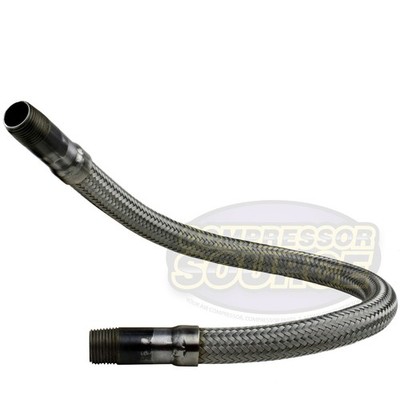
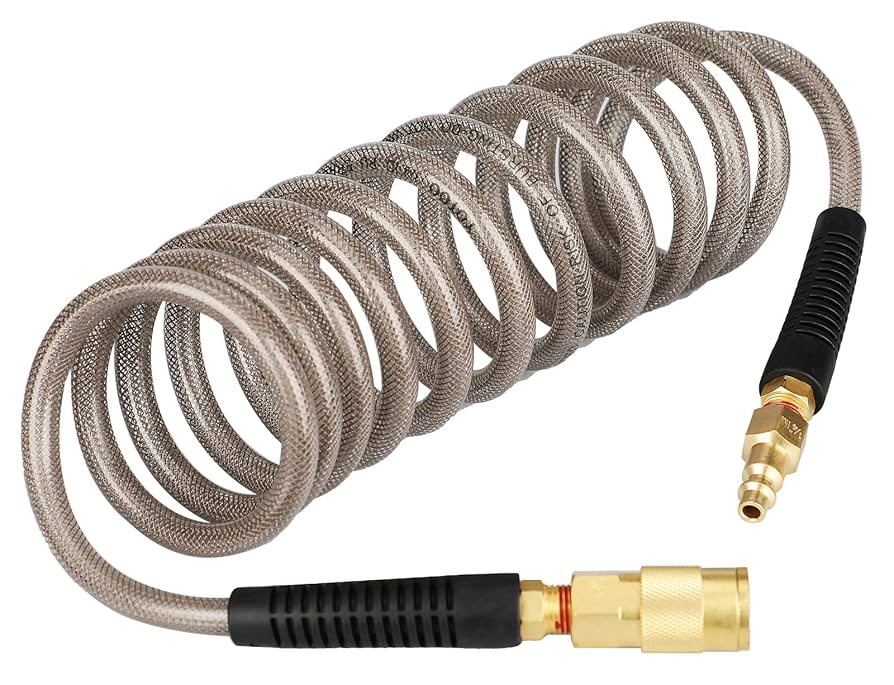
Flex hoses come in several materials. Rubber hoses are strong and flexible. They resist wear and tear well. PVC hoses are lightweight and easy to carry. They are good for light jobs. Hybrid hoses mix rubber and PVC for durability and flexibility. Stainless steel hoses resist heat and chemicals. Choose material based on the job and environment.
Size And Length Considerations
Hose size affects air flow and tool performance. A larger diameter hose carries more air. It is best for heavy machines. Smaller hoses suit small tools and light work. Length matters too. A longer hose gives more reach but lowers pressure. Use the shortest hose that fits your needs to keep pressure steady.
Pressure Ratings Explained
Every hose has a pressure rating. It shows the maximum air pressure the hose can handle. Use a hose with a rating higher than your compressor’s pressure. This keeps the hose safe from bursting. Check both working and burst pressure ratings. Higher ratings mean stronger hoses. Match the rating with your compressor for best results.
Durability Factors
Durability is a key factor for any flex hose used with air compressors. These hoses face tough conditions daily. Choosing a hose that lasts longer saves money and time. Understanding what makes a hose durable helps select the right product.
Several factors affect hose durability. These include resistance to physical damage, ability to handle temperature changes, and chemical compatibility. Each plays a vital role in the hose’s lifespan and performance.
Resistance To Wear And Tear
Flex hoses must handle constant movement and pressure. Materials like reinforced rubber or braided steel improve strength. These resist cuts, cracks, and abrasion. A hose with high wear resistance stays reliable for longer tasks.
Temperature Tolerance
Air compressors can produce heat during operation. The flex hose needs to withstand both hot and cold environments. Materials that handle wide temperature ranges prevent damage and leaks. Proper temperature tolerance ensures consistent performance.
Chemical Compatibility
Flex hoses may contact oils, fuels, or cleaning chemicals. Not all materials resist these substances. Choosing hoses made from chemical-resistant materials avoids corrosion and swelling. This factor protects the hose and maintains safe air flow.
Performance Enhancements
Performance enhancements in flex hoses for air compressors improve the tool’s efficiency and lifespan. These hoses are designed to handle pressure changes and movements without damage. Choosing the right flex hose boosts your compressor’s overall function and reliability.
Flexibility And Maneuverability
Flex hoses bend easily around corners and tight spaces. This makes it simple to move the air compressor or tools without disconnecting hoses. Their lightweight design reduces strain on fittings and connectors. Better flexibility means smoother operations in different work environments.
Minimizing Air Leakage
Quality flex hoses fit tightly to prevent air leaks. Even small leaks can lower compressor pressure and waste energy. Good sealing keeps the air pressure steady for consistent tool power. Less leakage means better performance and lower energy costs over time.
Maintaining Optimal Airflow
Flex hoses keep air flowing smoothly without blockages. Their inner surfaces resist buildup of dirt and moisture. This prevents pressure drops that slow down your tools. Maintaining steady airflow ensures your compressor runs at peak efficiency. It also protects tools from damage caused by uneven air supply.
Credit: www.amazon.com
Installation Tips
Installing a flex hose for an air compressor needs care and attention. Proper installation ensures safety and improves hose life. Follow simple tips to set up your hose correctly. These steps will help you avoid damage and leaks.
Proper Hose Routing
Keep the hose path clear and straight. Avoid sharp bends or kinks that block airflow. Make sure the hose does not rub against rough surfaces. Use smooth curves to prevent wear and tear. Plan the route to reduce hose length and pressure drop.
Secure Connections
Tighten all fittings firmly but not too tight. Loose connections cause air leaks and reduce efficiency. Use thread seal tape on threaded joints for a better seal. Check connections regularly for signs of wear or loosening. Secure the hose to prevent movement during operation.
Avoiding Common Mistakes
Do not twist or stretch the hose during installation. Avoid placing the hose near heat sources or sharp edges. Never step or drive over the hose. Replace damaged hoses immediately to maintain safety. Proper care extends hose life and keeps the compressor running well.
Maintenance And Inspection
Proper maintenance and inspection keep your flex hose in good shape. Air compressor hoses face wear and tear. Regular checks help avoid sudden failures and costly repairs. Take time to care for your hose. It extends its life and ensures safe operation.
Regular Cleaning Practices
Clean your flex hose often to remove dust and debris. Use a soft cloth or brush for wiping the outside. Avoid harsh chemicals that can damage the hose material. Clean inside the hose by blowing compressed air through it. This clears dirt and moisture that can cause blockages.
Detecting Damage Early
Look for cracks, splits, or bulges on the hose surface. Check for leaks by running compressed air and listening for hissing sounds. Feel along the hose for weak or soft spots. Inspect the fittings and connectors for rust or loose parts. Early damage signs can prevent bigger problems later.
When To Replace Your Hose
Replace the hose if you find deep cracks or holes. Swollen or hardened sections mean the hose is worn out. Change the hose if fittings do not seal tightly. A leaking hose wastes air and lowers compressor efficiency. Follow manufacturer guidelines for hose replacement timing.

Credit: www.amazon.com
Top Brands And Products
Choosing the right flex hose for your air compressor matters. The quality and durability depend on the brand and product you select. Trusted brands offer reliability and good performance. This section highlights top brands and products to help you decide.
Popular Flex Hose Manufacturers
Several manufacturers lead the market with strong reputations. Brands like Goodyear, Flexzilla, and Parker offer high-quality flex hoses. These companies use durable materials and advanced designs. Their products handle high pressure and resist wear well. Choosing from these brands ensures safety and long use.
Budget Vs Premium Options
Budget flex hoses suit occasional use and simple tasks. They cost less but may wear faster. Premium hoses are more durable and flexible. They handle higher pressure and last longer. Investing in premium options saves money over time. Match your choice with your work needs and frequency.
Customer Reviews And Ratings
Customer reviews reveal real product performance. Positive ratings often highlight durability and ease of use. Negative reviews point out leaks or low flexibility. Reading feedback helps avoid poor choices. Check multiple sources for balanced opinions. Good reviews build confidence in your purchase.

Credit: www.ebay.ca
Frequently Asked Questions
What Is A Flex Hose For Air Compressor?
A flex hose for air compressors is a flexible tube that connects the compressor to tools. It allows easy movement and reduces stress on fittings. These hoses are made from durable materials to handle high pressure and ensure efficient air flow during operation.
How Do Flex Hoses Improve Air Compressor Performance?
Flex hoses reduce vibration and prevent kinks, ensuring consistent air flow. This improves tool efficiency and prolongs compressor life. Their flexibility allows easier maneuvering in tight spaces, enhancing overall productivity and safety on the job.
What Materials Are Used For Flex Hoses?
Flex hoses are commonly made from rubber, PVC, or polyurethane. These materials offer durability, flexibility, and resistance to abrasion and chemicals. Choosing the right material depends on the application, pressure requirements, and environmental conditions.
How To Maintain A Flex Hose For Air Compressor?
Regularly inspect for cracks, leaks, or wear. Clean the hose to prevent debris buildup. Store it properly, avoiding sharp bends and extreme temperatures. Proper maintenance extends hose life and ensures safe, efficient compressor operation.
Conclusion
Choosing the right flex hose keeps your air compressor working well. It helps avoid leaks and keeps air pressure steady. A good hose lasts long and handles bending easily. Remember to pick the correct size and material for your needs.
Proper care and regular checks increase safety and performance. This small part plays a big role in your compressor’s success. Keep it flexible, strong, and reliable for the best results. Simple steps lead to smoother, safer work every time.