
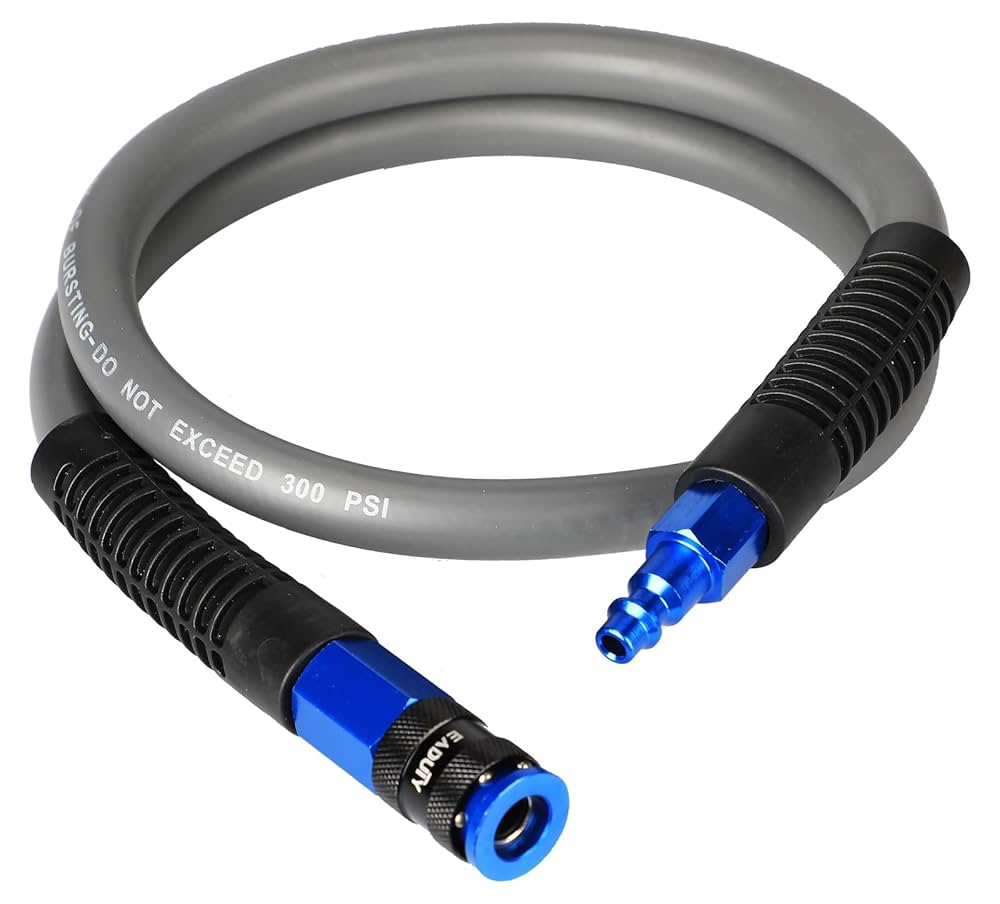
Are you tired of dealing with bulky, hard-to-handle air compressor hoses that limit your work? A flexible air compressor hose could be exactly what you need to make your tasks easier and more efficient.
Imagine having a hose that bends effortlessly, reaches every corner, and stays durable through tough jobs. You’ll discover why choosing the right flexible air compressor hose can save you time, reduce frustration, and boost your productivity. Keep reading to find out how this simple upgrade can transform the way you work.
Credit: www.amazon.com
Types Of Flexible Air Compressor Hoses
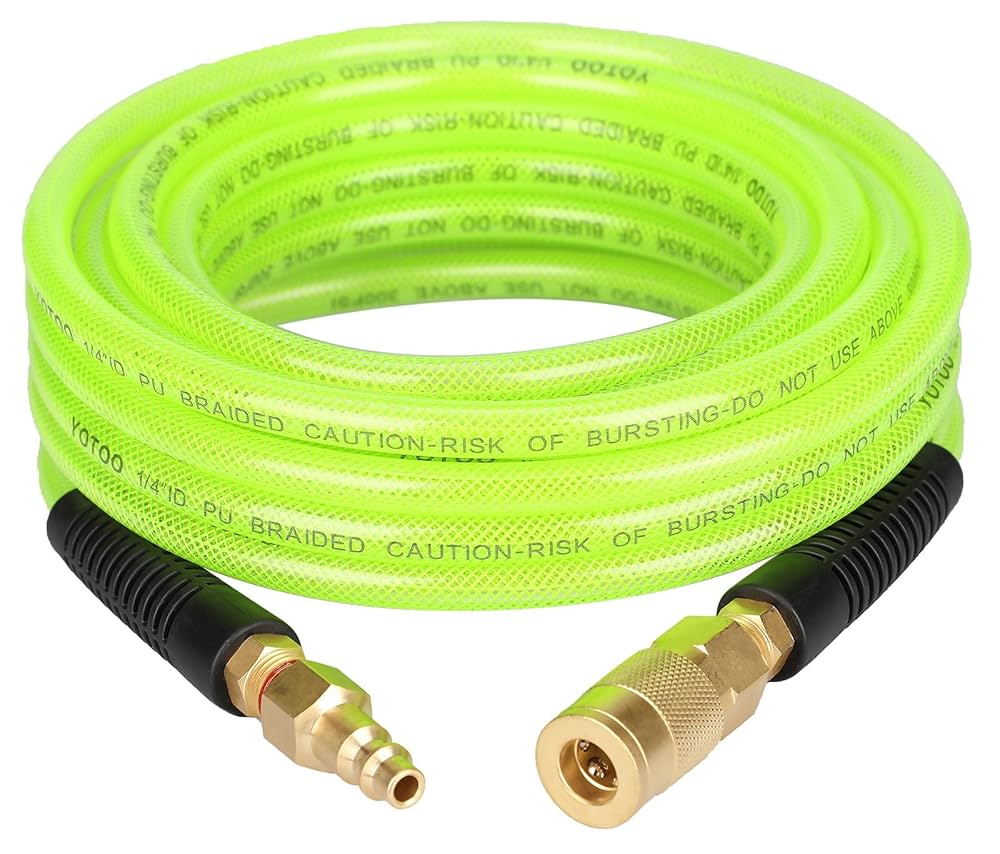
Flexible air compressor hoses come in different types. Each type serves specific needs. Choosing the right hose improves performance and safety.
These hoses vary by material, strength, and flexibility. Knowing the options helps pick the best hose for your tasks.
Rubber Hoses
Rubber hoses are strong and flexible. They resist abrasion and high temperatures well. These hoses work in tough environments. They hold up against rough handling and pressure changes.
Pvc Hoses
PVC hoses are lightweight and affordable. They are easy to handle and store. These hoses resist chemicals and sunlight. Ideal for indoor and light outdoor use.
Hybrid Hoses
Hybrid hoses combine materials like rubber and PVC. They offer a balance of strength and flexibility. These hoses resist kinks and wear better. Suitable for heavy-duty applications with moderate weight.
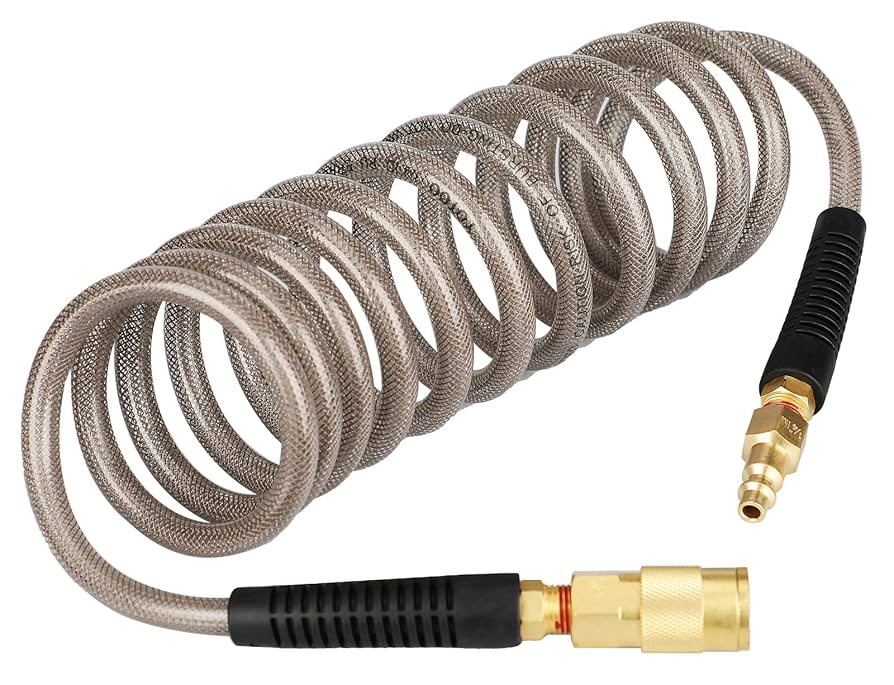
Polyurethane Hoses
Polyurethane hoses are very flexible and light. They resist cuts and abrasions well. These hoses work great in cold weather. They maintain good air flow and durability.
Credit: www.amazon.com
Key Features Impacting Durability
The durability of a flexible air compressor hose depends on several key features. These features ensure the hose lasts longer and performs well under pressure. Understanding these factors helps in choosing the right hose for your needs.
Material Composition
The material used to make the hose affects its strength and flexibility. Common materials include rubber, PVC, and polyurethane. Rubber offers good flexibility and resistance to wear. PVC is lightweight but less flexible. Polyurethane is strong and resists kinks and cracks.
Reinforcement Layers
Reinforcement layers add extra strength to the hose. They prevent the hose from bursting under high pressure. These layers often include braided steel or synthetic fibers. More reinforcement means better durability and longer hose life.
Temperature Resistance
The hose must handle a wide range of temperatures. High temperature resistance prevents melting or softening. Low temperature resistance stops the hose from becoming brittle or cracking. A hose with good temperature resistance works well in different climates.
Abrasion Resistance
Abrasion resistance protects the hose from surface wear. It reduces damage from rubbing against rough surfaces. Materials with tough outer layers last longer in harsh environments. This feature is crucial for hoses used in construction or industrial sites.
Factors Affecting Performance
Several factors influence the performance of a flexible air compressor hose. These factors determine how well the hose works and how long it lasts. Choosing the right hose depends on understanding these key points.
Pressure Ratings
Pressure rating shows the maximum air pressure the hose can handle. Using a hose with low pressure rating can cause leaks or bursts. Always pick a hose with a pressure rating that meets your compressor’s output. Overloading the hose reduces safety and performance.
Flexibility And Bend Radius
Flexibility affects how easy it is to move and store the hose. The bend radius is the smallest curve the hose can handle without damage. A smaller bend radius means better flexibility. A stiff hose can crack or kink, blocking airflow.
Compatibility With Air Compressors
Not all hoses fit every air compressor. Check the hose fittings and size before buying. Using incompatible hoses causes air leaks and lowers efficiency. Ensure the hose matches the compressor’s type and connection size.
Weight And Handling
Lighter hoses are easier to carry and control. Heavy hoses cause fatigue during long use. Good handling improves work speed and safety. Choose a hose that balances weight and durability for your tasks.
Maintenance Tips For Longevity
Proper care of your flexible air compressor hose extends its life and improves performance. Simple steps can prevent damage and costly replacements. Follow these maintenance tips to keep your hose in top shape.
Proper Storage Techniques
Store the hose in a cool, dry place away from direct sunlight. Avoid sharp bends or kinks when coiling the hose. Use a reel or hanger to keep it off the ground. This prevents cracks and weak spots.
Regular Inspection For Wear
Check the hose regularly for cuts, cracks, or leaks. Look for signs of wear near fittings and bends. Replace the hose if damage appears. Early detection avoids sudden failures during use.
Cleaning And Care
Clean the hose with mild soap and water to remove dirt. Avoid harsh chemicals that can weaken the material. Dry the hose thoroughly before storing. Clean hoses stay flexible and last longer.
Avoiding Common Damage
Keep the hose away from sharp edges and hot surfaces. Do not stretch or pull the hose too hard. Avoid dragging it over rough ground. Careful handling reduces tears and punctures.
Choosing The Right Hose For Your Needs
Choosing the right flexible air compressor hose is important for safety and efficiency. The right hose fits your tool and work needs. It prevents air leaks and hose damage. This guide helps you pick the best hose for your tasks.
Assessing Application Requirements
Think about the tasks you will do with the hose. Check the air pressure needed. Some hoses handle higher pressure than others. Consider the environment. Will the hose face heat, cold, or chemicals? Choose a hose material that fits these conditions.
Matching Hose Size And Length
Pick a hose diameter that matches your air compressor and tools. Too small a hose limits airflow. Too large wastes energy. Measure the distance between your compressor and work area. Use a hose long enough to reach without stretching or bending sharply.
Budget Considerations
Set a budget before buying. Higher-priced hoses often last longer and resist damage. Cheaper hoses may wear out fast and cause problems. Balance cost and quality to avoid extra expenses later. Remember, a good hose saves money over time.
Brand And Warranty Factors
Choose brands known for quality and reliability. Check product reviews and ratings. A good warranty shows the brand’s confidence in its hose. Warranties protect you from defects and early failures. Select a hose with clear warranty terms.
Innovations In Air Compressor Hose Design
Innovations in air compressor hose design focus on making hoses safer, stronger, and easier to use. These changes help users work better and last longer in tough conditions. New materials and smart designs improve the performance of flexible air compressor hoses.
Each update targets a specific need, such as environmental care, flexibility, and safety. These advances help both professionals and hobbyists get more from their tools.
Eco-friendly Materials
Manufacturers now use eco-friendly materials in air compressor hoses. These materials reduce harm to the environment during production and disposal. Some hoses use recycled plastics and natural rubber blends. This lowers the carbon footprint of the manufacturing process. Using such materials also means hoses are less toxic and safer to handle.
Enhanced Flexibility Features
New hose designs offer better flexibility for easier handling. Flexible hoses bend without kinking or breaking. This makes them ideal for tight spaces and complex jobs. Some hoses include special braiding or layered construction. These features help the hose stay strong while bending smoothly. Users can move freely without worrying about damage.
Improved Safety Standards
Safety is a top priority in new hose designs. Modern hoses meet strict industry standards to prevent accidents. They resist bursts and leaks under high pressure. Many hoses include protective covers to avoid wear and tear. Quick-connect fittings reduce the risk of air leaks. These improvements protect both the user and the workspace.

Credit: www.ebay.com
Frequently Asked Questions
What Is A Flexible Air Compressor Hose Used For?
A flexible air compressor hose connects tools to the compressor. It allows easy movement and reduces kinks during operation. This hose is ideal for various tasks like painting, inflating, and cleaning. Its flexibility improves efficiency and user comfort.
How To Choose The Best Flexible Air Compressor Hose?
Choose a hose based on length, diameter, and material. Look for durability, flexibility, and resistance to abrasion. Consider the maximum pressure rating and compatibility with your compressor. These factors ensure safety and optimal performance.
Can Flexible Air Compressor Hoses Handle High Pressure?
Yes, most flexible hoses are designed to handle high pressure. Check the hose’s PSI rating to match your compressor’s output. Using a hose with insufficient pressure rating risks damage and safety hazards.
How To Maintain A Flexible Air Compressor Hose?
Regularly inspect for cracks, leaks, and wear. Clean the hose to prevent debris buildup. Store it properly, avoiding sharp bends or kinks. Proper maintenance extends hose life and maintains performance.
Conclusion
Flexible air compressor hoses offer great ease and durability. They bend easily, making tasks simpler and faster. These hoses resist wear and last longer under pressure. Choosing the right hose improves safety and work quality. Keep hoses clean and check them often for damage.
A good hose makes any air compressor more useful. Trust in flexible hoses to help you get the job done well.