

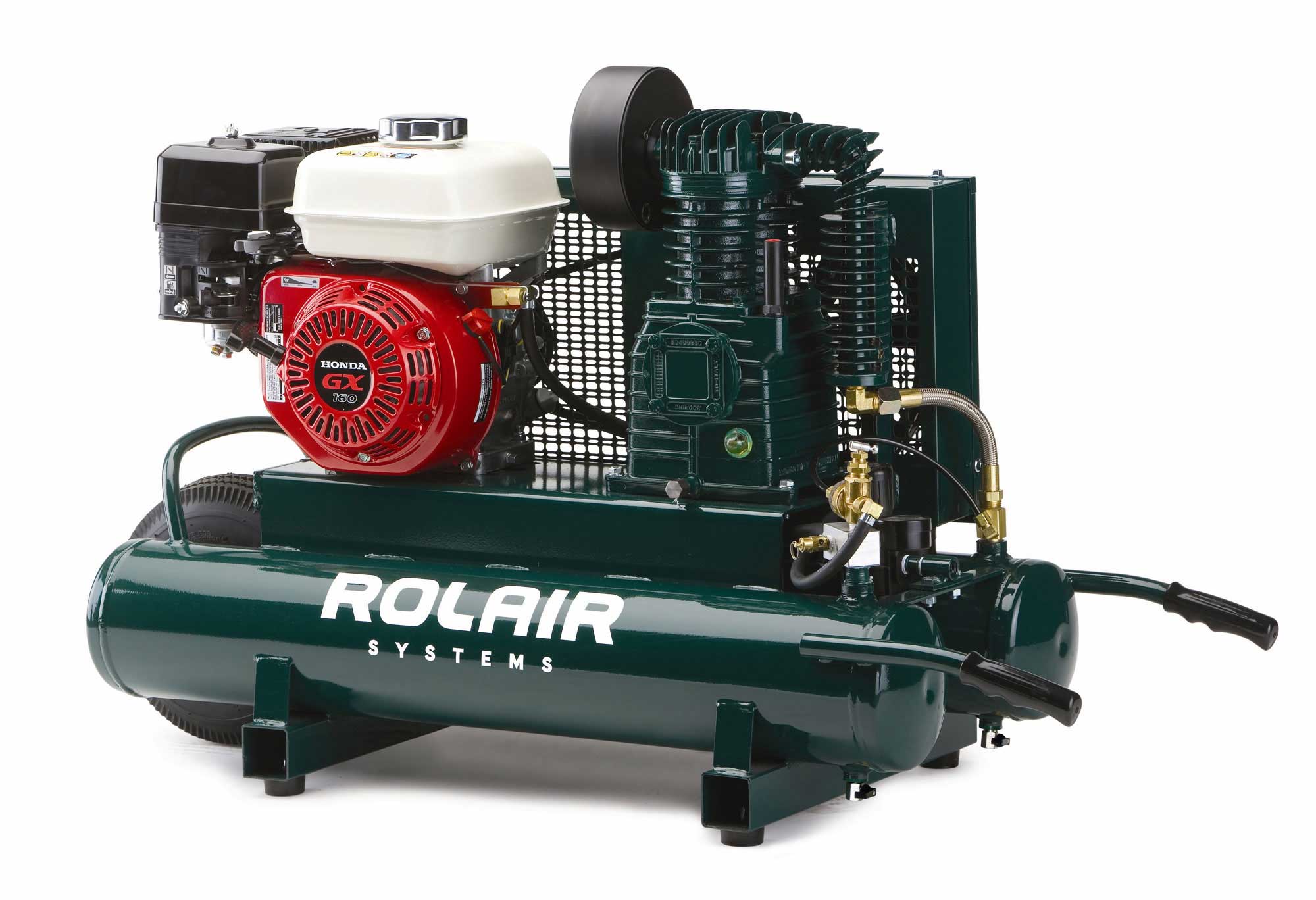
A gas air compressor uses gasoline or natural gas to power its motor, compressing air for various applications. These compressors are portable and ideal for outdoor tasks.
Gas air compressors play a crucial role in many industries and DIY projects. They provide portable power, making them perfect for remote locations where electricity isn’t available. These compressors are commonly used for inflating tires, powering pneumatic tools, and other heavy-duty tasks.
Their ability to deliver high pressure and volume of air makes them indispensable in construction, automotive, and agricultural settings. With various models available, users can choose based on specific needs, ensuring efficiency and reliability. Understanding their features helps in making an informed choice for both professional and personal use.
Introduction To Gas Air Compressors
Gas air compressors play a vital role in various industries. They convert gas into compressed air for multiple applications. These compressors are essential for tasks like powering tools, inflating tires, and operating machinery. Their versatility makes them a preferred choice in many settings.
The Role In Modern Industry
Gas air compressors serve numerous functions in today’s industry. Their primary roles include:
- Operating pneumatic tools
- Inflating tires and other inflatables
- Supplying air for spray painting
- Powering equipment in construction
- Providing air in agricultural applications
These compressors are especially useful in remote areas. They do not need electrical outlets. This feature increases their usability in various locations.
Advantages Over Electric Compressors
Gas air compressors offer several advantages compared to electric models:
| Advantages | Gas Compressors | Electric Compressors |
|---|---|---|
| Portability | Highly portable | Limited portability |
| Power Source | Runs on gas | Needs electricity |
| Usage in Remote Areas | Ideal for off-grid use | Not suitable |
| Cost | Lower initial cost | Higher initial investment |
Gas compressors also offer greater flexibility in use. They can operate in harsh environments without power outlets. This flexibility is crucial for construction sites and outdoor work.
Choosing the right compressor depends on specific needs. Consider factors like location, power requirements, and budget. Gas air compressors often provide a reliable solution for demanding tasks.

Credit: compressor-source.com
Key Components Of Gas Air Compressors
Gas air compressors are powerful machines used in various industries. Understanding their key components helps in effective usage and maintenance. Below are two critical components that make gas air compressors efficient.
The Compression Chamber
The compression chamber is vital in a gas air compressor. It compresses air by reducing its volume. Here are some important features:
- Function: Compresses air to create high pressure.
- Design: Typically cylindrical or rectangular.
- Materials: Made from durable metals to withstand pressure.
In this chamber, the air intake occurs. The compressor draws in ambient air. The air then gets compressed and stored for use. This process is essential for powering tools and machinery.
Gas Engine Basics
The gas engine powers the compressor. It converts fuel into mechanical energy. Here are key points about the gas engine:
| Feature | Description |
|---|---|
| Fuel Type | Runs on gasoline or propane. |
| Ignition System | Uses spark plugs for ignition. |
| Cooling | Air-cooled or liquid-cooled options. |
Gas engines are robust and reliable. They provide consistent power. This consistency is crucial for high-demand applications. Regular maintenance ensures optimal performance and longevity.
Types Of Gas Air Compressors
Gas air compressors come in various types. Each type has unique features. Choosing the right one is essential for your needs.
Reciprocating Compressors
Reciprocating compressors are common in many industries. They use a piston mechanism to compress air. Here are some key features:
- High Pressure Output: Ideal for tasks needing high pressure.
- Simple Design: Easy to maintain and repair.
- Versatility: Suitable for various applications.
Reciprocating compressors can be single-stage or multi-stage:
| Type | Description |
|---|---|
| Single-stage | Compresses air in one stroke. Good for low to medium pressure. |
| Multi-stage | Compresses air in multiple strokes. Produces higher pressure. |
Rotary Screw Compressors
Rotary screw compressors are known for efficiency. They use two rotors to compress air. This design offers several benefits:
- Continuous Air Supply: Great for long-term use.
- Low Noise: Operates quietly compared to reciprocating models.
- Energy Efficient: Saves on electricity costs.
Rotary screw compressors excel in industrial settings. They provide a steady flow of air. This makes them perfect for heavy-duty applications.

Credit: sterlingfleetoutfitters.com
Selecting The Right Gas Air Compressor
Choosing the right gas air compressor is essential for your projects. The right compressor enhances performance and efficiency. Understanding your needs helps in making the best choice.
Assessing Power Needs
Power is a crucial factor in selecting a gas air compressor. Different tasks require different power levels. Here are some key points to consider:
- CFM (Cubic Feet per Minute): Measure the airflow rate needed for tools.
- PSI (Pounds per Square Inch): Ensure the compressor meets tool requirements.
- Duty Cycle: Determine how long the compressor can run continuously.
Use the following table to understand common power needs:
| Tool Type | CFM Required | PSI Required |
|---|---|---|
| Impact Wrench | 4-6 CFM | 90-100 PSI |
| Nail Gun | 2-4 CFM | 70-90 PSI |
| Paint Sprayer | 6-12 CFM | 30-60 PSI |
Portability Considerations
Portability is vital for using a gas air compressor in different locations. Think about how often you will move it. Here are some factors to keep in mind:
- Weight: Lighter compressors are easier to transport.
- Wheels: Look for models with durable wheels for easy movement.
- Size: Compact units save space and enhance portability.
Consider your specific needs. A portable model suits jobs on-site. A larger unit may be better for stationary use.
Maintenance Best Practices
Maintaining your gas air compressor ensures efficiency and longevity. Proper care helps avoid costly repairs. Follow these best practices to keep your compressor running smoothly.
Regular Check-ups
Perform regular check-ups to identify potential issues early. Here’s a simple checklist:
- Inspect the oil level weekly.
- Check air filters monthly.
- Examine hoses for wear and tear.
- Listen for unusual noises during operation.
- Monitor pressure gauges for accuracy.
Keeping a maintenance log helps track your check-ups. Schedule inspections every three to six months.
Common Issues And Fixes
Knowing common issues can save time and money. Here are a few problems and their fixes:
| Issue | Possible Cause | Fix |
|---|---|---|
| Low pressure | Leak in hoses | Inspect and replace damaged hoses. |
| Excessive noise | Loose parts | Tighten all bolts and screws. |
| Overheating | Blocked air intake | Clean or replace air filters. |
| Oil leaks | Worn seals | Replace seals and gaskets. |
Address these issues promptly. Delaying repairs can lead to bigger problems.
Credit: www.rolair.com
Safety Protocols For Operation
Operating a gas air compressor requires strict safety protocols. These measures protect operators and ensure efficient performance. Understanding the right precautions is essential for a safe workspace.
Personal Protective Equipment
Wearing the right Personal Protective Equipment (PPE) is crucial. Here are essential items:
- Safety goggles: Protect your eyes from debris.
- Hearing protection: Prevent damage from loud noise.
- Gloves: Safeguard hands from sharp objects.
- Steel-toed boots: Protect feet from heavy equipment.
Always check your PPE before starting work. Ensure everything fits properly and is in good condition.
Operational Do’s And Don’ts
| Do’s | Don’ts |
|---|---|
| Follow the manufacturer’s instructions. | Ignore warning labels on the compressor. |
| Inspect the compressor before use. | Operate it with damaged parts. |
| Keep the area around the compressor clear. | Block ventilation openings. |
| Use the compressor in a well-ventilated space. | Use it in confined areas without airflow. |
| Shut down the compressor when not in use. | Leave it running unattended. |
Following these operational do’s and don’ts ensures safety and efficiency. Always prioritize safety to prevent accidents.
Innovative Uses Of Gas Air Compressors
Gas air compressors have transformed various industries. Their versatility allows for creative applications. From construction to agriculture, these machines improve efficiency. Explore some innovative uses below.
In Construction And Mining
Gas air compressors play a crucial role in construction and mining. They power various tools and equipment, enhancing productivity. Here are some common uses:
- Operating pneumatic tools like drills and hammers.
- Blasting rock and breaking concrete.
- Supplying air for ventilation systems.
- Inflating tires for heavy machinery.
These applications help workers complete tasks faster. Gas air compressors ensure that projects run smoothly.
Agriculture And Energy Sectors
In agriculture, gas air compressors have unique applications. They support tasks like crop spraying and irrigation. Here are some ways they are used:
- Powering spray guns for pesticide application.
- Pressurizing water for irrigation systems.
- Assisting in seed planting and fertilizer distribution.
In the energy sector, gas air compressors are equally important. They help in:
- Drilling for oil and gas.
- Operating equipment in power plants.
- Providing air for cooling systems.
These uses highlight the importance of gas air compressors. They increase efficiency and productivity across various sectors.
The Future Of Gas Air Compressors
The future of gas air compressors is exciting and dynamic. Rapid developments in technology and environmental awareness drive change. Businesses and industries seek efficient and eco-friendly solutions. Gas air compressors are evolving to meet these new demands.
Technological Advancements
New technologies are shaping gas air compressors. Here are some key advancements:
- Smart Technology: Sensors monitor performance and efficiency.
- Automation: Automated systems improve control and reduce human error.
- Variable Speed Drives: Adjust power based on demand, saving energy.
- Remote Monitoring: Users can check performance from anywhere.
These advancements lead to better performance and lower operating costs. Gas air compressors will become more reliable and efficient.
Eco-friendly Trends
Environmental concerns push for sustainable practices. Gas air compressors are adapting to these trends:
- Reduced Emissions: New designs minimize harmful emissions.
- Alternative Fuels: Some models now use biofuels or natural gas.
- Energy Efficiency: Improved designs require less energy to operate.
- Recyclable Materials: Manufacturers use eco-friendly materials.
These eco-friendly trends help companies meet regulations and reduce their carbon footprint. Gas air compressors will play a vital role in sustainable development.
Frequently Asked Questions
What Is A Gas Air Compressor?
A gas air compressor is a powerful tool that uses gasoline as fuel to compress air. It is ideal for outdoor tasks where electricity is unavailable. These compressors are commonly used for powering pneumatic tools, inflating tires, and other applications requiring high mobility and performance.
How Does A Gas Air Compressor Work?
A gas air compressor works by drawing in air and compressing it using a piston or rotary mechanism. The engine powers the compressor, converting fuel into energy. This process increases the air’s pressure, allowing it to be stored in a tank for later use, powering tools or equipment effectively.
What Are The Advantages Of Gas Air Compressors?
Gas air compressors offer portability, making them ideal for outdoor jobs. They are not limited by power outlets, providing flexibility in various locations. Additionally, they typically deliver higher pressure and greater airflow than electric compressors, making them suitable for heavy-duty applications and demanding tasks.
Are Gas Air Compressors Noisy?
Yes, gas air compressors tend to be noisier than electric models. The engine noise and the sound of compressed air can be significant. However, many users find the performance outweighs the noise, especially in industrial or construction settings where power is crucial.
Conclusion
Choosing the right gas air compressor can greatly enhance your efficiency. Consider your specific needs, such as tank size and horsepower. A reliable compressor saves time and boosts productivity. Investing in quality equipment ensures durability and performance. Make an informed decision to optimize your projects and achieve outstanding results.