
Rotating tires on a car is essential for even wear and longer tire life. It’s a simple task that can save you money and ensure your car drives smoothly.
Tire rotation involves changing the position of each tire on your car. This helps to balance the wear and tear that occurs from driving. Regular tire rotation is a key part of vehicle maintenance. It ensures all tires wear evenly, providing better traction and extending their lifespan.
Many car owners wonder about the best way to rotate tires. In this guide, we will explain the steps clearly, so you can do it yourself. This will help you understand the process and keep your car running efficiently.
Credit: www.bridgestonetire.com
Benefits Of Rotating Tires
Rotating tires helps them wear evenly. This makes them last longer. Uneven wear can damage tires quickly. Regular rotations prevent this. Tires are expensive. Extending their lifespan saves money.
Even tire wear ensures a smoother ride. The car handles better. Balanced tires improve safety. They give better grip on the road. This is important for braking. Your car will feel more stable.
Tools And Equipment Needed
You need a jack to lift the car. Use a lug wrench to remove the nuts. A tire pressure gauge checks tire pressure. Use wheel chocks to prevent the car from moving. Torque wrench helps tighten nuts properly. A tire rotation chart guides the rotation pattern.
Wear gloves to protect your hands. Use safety goggles to shield your eyes. A dust mask keeps you safe from dirt. Closed-toe shoes protect your feet. Keep a first aid kit nearby for emergencies.
Preparation Before Rotating Tires
Find a flat and stable area. Avoid slopes or uneven ground. Park your car and turn off the engine. Use the parking brake to secure the car. Put wheel chocks behind the tires. This stops the car from moving. Safety is very important.
Use a tire gauge to check the pressure. Do this before rotating tires. Compare the readings to the recommended pressure. You can find this information in your car manual. If needed, add air to the tires. Proper pressure helps tires wear evenly.
Lifting The Car
Place the jack under the car’s frame. Make sure it is on a flat, hard surface. Raise the car slowly. Check the car’s balance. Lift the car high enough to remove the tire. Safety is important. Keep hands and feet clear.
Position the jack stands under the car. Ensure they touch the car’s frame. Lower the car onto the stands slowly. Check if the car is stable. You can now work on the tires. Always use jack stands for safety. Never rely on the jack alone.
Removing The Tires
First, gather your tools. You need a lug wrench and a jack. Place the lug wrench on a lug nut. Turn it counter-clockwise. Do not remove it completely. Repeat for all lug nuts.
Use the jack to lift the car. Raise it until the tire is off the ground. Now, finish removing the loosened lug nuts. Carefully pull the tire off the wheel hub. Place it aside. Repeat for the other tires.
Rotating The Tires
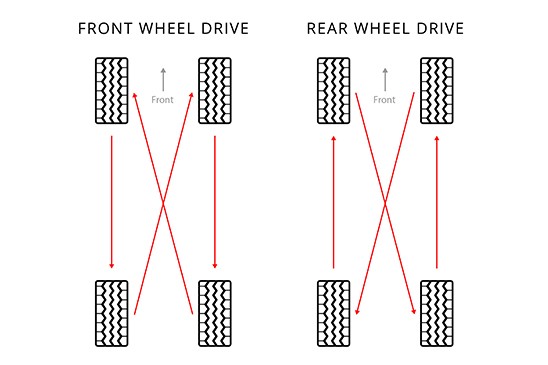
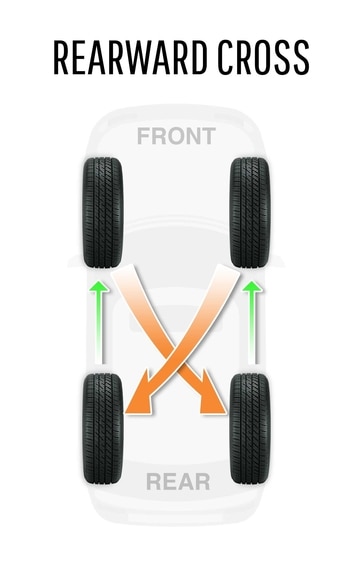
Use the correct rotation pattern for your car. For front-wheel drive, switch the front tires to the rear. Swap the rear tires to the front, but cross them. Right rear to front left, left rear to front right. For rear-wheel drive, move the rear tires to the front. Cross the front tires to the back. Right front to rear left, left front to rear right. Always check your car manual for the best pattern.
Place the tires back on the car. Tighten the lug nuts by hand first. Then use a wrench to make them snug. Lower the car gently. Tighten the lug nuts in a star pattern. This keeps the tire balanced. Recheck the tightness after a short drive. This makes sure they stay secure.
Lowering The Car
Rotating tires on a car is essential for even wear. First, lift the car using a jack. Then, switch the tires in a specific pattern.
Remove Jack Stands
First, make sure all the lug nuts are tight. Then, carefully place the jack under the car. Lift the car just enough to remove the jack stands. Remove the jack stands one by one. Ensure no one is under the car during this step. It is important for safety.
Lower The Car Gradually
Lower the car slowly with the jack. Make sure the car touches the ground evenly. Remove the jack once the car is on the ground. Double-check that the car is stable before driving. This process ensures the car is safe to use.

Credit: www.bridgestonetire.com
Final Steps
After placing the tire, hand-tighten the lug nuts first. Once snug, use a torque wrench to tighten them in a star pattern. This ensures even pressure. Check the manufacturer’s guide for the correct torque setting.
Use a tire pressure gauge to check each tire. Compare the reading with the recommended pressure. You can find this in the car’s manual. Adjust the pressure if needed. Proper tire pressure ensures safe driving and better fuel efficiency.

Credit: www.discountramps.com
Frequently Asked Questions
What Is The Correct Way To Rotate Tires?
To rotate tires correctly, follow a specific pattern. Front tires move to the rear, and rear tires shift to the front. For front-wheel-drive vehicles, swap the rear tires diagonally to the front. For rear-wheel-drive vehicles, swap the front tires diagonally to the rear.
Always consult your owner’s manual for specific instructions.
Which Tire Rotation Pattern Is Best?
The best tire rotation pattern depends on your vehicle’s drivetrain. For front-wheel drive, use the forward cross pattern. For rear-wheel or all-wheel drive, use the rearward cross pattern. Always refer to your vehicle’s manual for specific recommendations. Regular tire rotation extends tire life and ensures even wear.
What Is The Preferred Method For Tire Rotation?
The preferred method for tire rotation is the “cross pattern. ” Move the front tires to the rear and swap sides. Move the rear tires straight to the front. This ensures even wear and longer tire life.
Can I Rotate My Tires Myself?
Yes, you can rotate your tires yourself. Ensure you have the proper tools and follow the manufacturer’s guidelines. Regular tire rotation promotes even wear and extends tire life.
Conclusion
Rotating tires on your car is essential for safety and longevity. It helps ensure even tire wear, improving your car’s performance. Follow the steps carefully, and you’ll extend your tire life. Regular rotation checks can save you money and prevent accidents.
Doing this yourself can be simple with the right tools. Always remember to check your car’s manual for specific instructions. Taking care of your tires means a smoother, safer drive. Happy driving!