
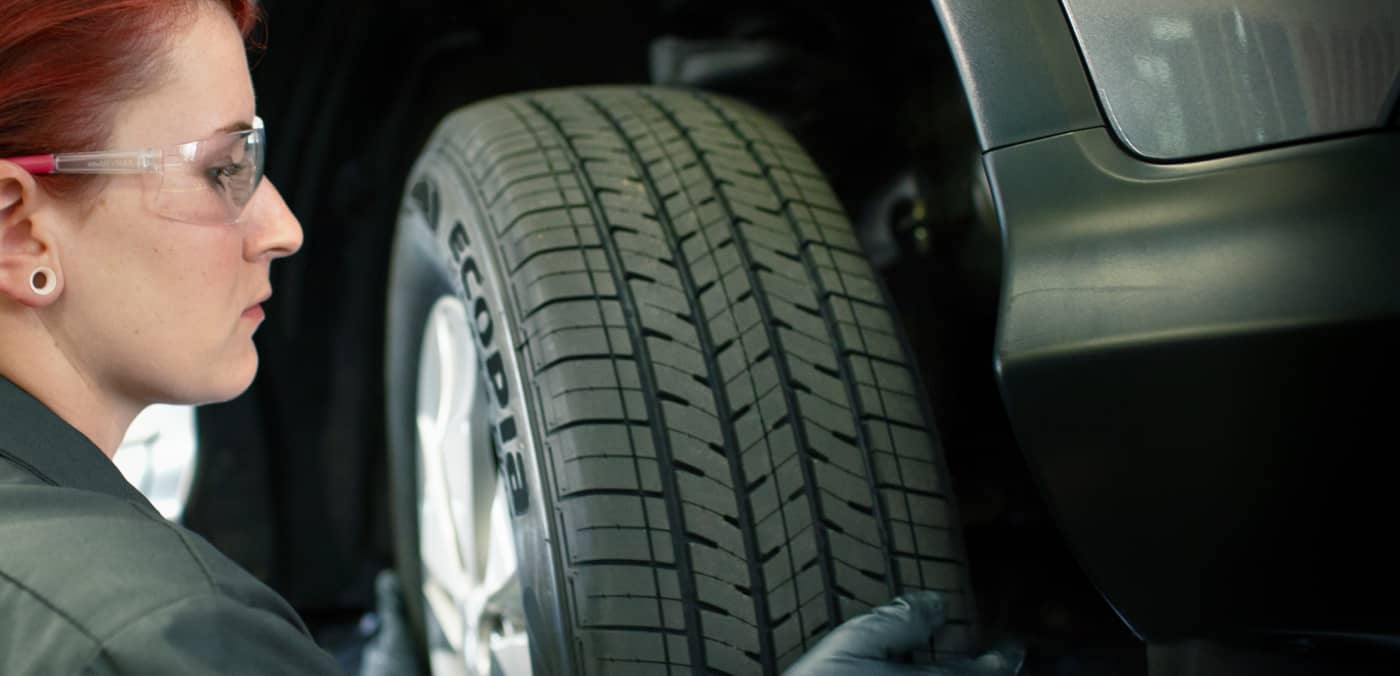
Car tires usually last between three to five years. Factors like driving habits, road conditions, and tire quality can affect this.
Understanding how long car tires last is essential for safety and budgeting. Regular tire maintenance can extend their life. But, when should you replace them? Worn-out tires can lead to accidents and poor fuel efficiency. Knowing the lifespan of your tires helps you plan for replacements and avoid unexpected issues.
This blog will explore the factors that impact tire longevity. Learn how to check for wear and know when it’s time for new tires. Stay safe and informed with our guide on tire lifespan.
Factors Influencing Tire Lifespan
Car tires typically last between 25,000 to 50,000 miles. Tire lifespan depends on driving habits, road conditions, and maintenance. Proper care can extend tire life significantly.
Driving Habits
Fast driving can wear out tires faster. Sudden stops and starts do the same. Gentle driving helps tires last longer. Rotating tires helps too. Avoid heavy loads if you can. This keeps tires in good shape.
Road Conditions
Smooth roads are kind to tires. Bumpy roads are not. Potholes can damage tires. Gravel roads wear tires more quickly. Clean roads help tires last longer. Avoid roads with sharp objects. This helps avoid punctures.
Climate Effects
Hot weather can cause tires to wear out faster. Cold weather can make tires stiff. Wet roads can reduce tire grip. Snow and ice need special tires. Dry climates are better for tires. Proper inflation helps in all climates.

Credit: vatire.com
Types Of Tires And Their Durability
All-season tires are designed for all kinds of weather. They work well in rain, sun, and light snow. These tires can last for a long time. Typically, they last between 50,000 to 70,000 miles. Regular checks can help them last longer.
Performance tires are made for speed and handling. They grip the road well. These tires usually last for a shorter time. On average, they last 20,000 to 40,000 miles. Frequent driving at high speeds can wear them out faster.
Off-road tires are built for rough terrains. They can handle mud, rocks, and dirt. These tires are very tough. They usually last around 40,000 miles. Keeping them clean helps them last longer.
Manufacturer Recommendations
Most tire manufacturers offer warranties. These warranties usually cover a specific number of miles or years. For example, some tires may have a warranty of up to 60,000 miles. Others might offer a warranty for five years. It’s important to check the warranty details. They help you understand the expected tire life.
Tires come with tread wear indicators. These indicators show when a tire is worn out. They are small bars inside the tread grooves. When the tread wears down to these bars, it’s time to replace the tire. Checking these indicators helps ensure safe driving. Regularly inspect your tires for wear.
Common Signs Of Tire Wear
Tread depth is very important. Good tread gives better grip. Worn tread can be dangerous. Check your tire tread often. Use a coin to measure it. If the tread is too low, replace the tire.
Cracks and bulges can mean trouble. They show the tire is weak. Weak tires can blow out. Check for cracks often. Look for bulges, too. If you find any, get new tires.
Uneven wear can be a bad sign. It can mean alignment problems. Also, it can mean your tires need rotating. Check your tires regularly. If they wear unevenly, fix the issue soon. This keeps your car safe.
Regular Maintenance Tips
Check your tire pressure often. Use a tire gauge for accuracy. Proper inflation keeps tires safe. It helps them last longer. Under-inflated tires can wear out fast. Over-inflated tires can also get damaged.
Rotate your tires every 5,000 to 7,000 miles. This helps tires wear evenly. Even wear makes tires last longer. Front and back tires wear differently. Rotating them balances this out.
Get your car’s alignment checked regularly. Poor alignment can cause uneven tire wear. This shortens tire life. Alignment checks keep your car driving straight. They protect your tires from damage.
Credit: blog.sbtjapan.com
Impact Of Driving Conditions
Driving conditions greatly affect tire lifespan. Harsh weather, rough roads, and frequent braking can shorten tire durability. Regular maintenance and mindful driving extend tire life.
City Vs Highway Driving
Car tires wear out faster in city driving. Frequent stops and starts cause more friction. This leads to quicker wear. Highway driving is smoother. Tires last longer on highways. Less stopping means less wear. Better for tire life.
Weather Conditions
Weather affects tire life too. Hot weather causes tires to wear faster. Heat makes the rubber softer. Cold weather can make tires crack. Snow and ice can wear tires quickly. Always check your tires in extreme weather. Proper care can extend tire life.
Extending Tire Life
Drive smoothly and avoid sudden stops. Fast turns can wear tires quickly. Keep an eye on speed. High speeds cause more heat, which wears tires faster.
Check your car’s weight limit. Do not carry heavy loads. Overloading puts stress on tires. This can lead to early wear and tear. Keep your car light for longer tire life.
Store tires in a cool, dry place. Keep them away from sunlight. Sunlight can cause cracks. Store tires upright, not stacked. This helps keep their shape. Rotate stored tires every few months.

Credit: www.porschewestbroward.com
When To Replace Your Tires
Most places have laws on tire wear. Tread depth is the key measure. In many areas, tires must have at least 2/32 of an inch of tread left. Always check local laws.
Worn tires can be unsafe. They may not grip the road well. This is a big risk in wet or icy conditions. Good tires help you stop faster. They also help you steer better.
A tire expert can help. They check for uneven wear. They look for cracks and bulges. They can tell you if your tires are still good.
Frequently Asked Questions
How Often Should Car Tires Be Replaced?
Car tires should be replaced every 6 years or 40,000 miles, whichever comes first. Regularly check for wear and damage.
How Long Do Tires Realistically Last?
Tires typically last between 25,000 to 50,000 miles. Regular maintenance and driving habits can influence tire longevity.
Are 7 Year Old Tires Still Good?
No, 7-year-old tires are not recommended for use. Tires degrade over time, impacting safety and performance. Replace tires after six years.
What Is The Standard Life Of A Tire?
The standard life of a tire ranges from 25,000 to 50,000 miles. Tire lifespan depends on driving habits, road conditions, and maintenance. Regularly check tire pressure, rotate tires, and align wheels to maximize tire life.
Conclusion
Car tires typically last between three to six years. Regular checks are key. Rotating tires helps extend their life. Stay aware of any signs of wear. Replace tires promptly for safety. Proper maintenance can save you money. Keep your tires in good condition.
This ensures a smooth and safe ride. Remember, tires are crucial for your vehicle. Take good care of them. Safe driving!