

Tires usually last between 25,000 to 50,000 miles. This depends on several factors like driving habits and road conditions.
Understanding how long your car tires should last is essential for safety and budgeting. Tires are a crucial part of your vehicle‘s performance and safety. They wear down over time and need to be replaced. Knowing when to replace them helps avoid accidents and ensures better handling.
Different factors affect tire life, such as driving habits, road conditions, and maintenance routines. In this blog, we will explore these factors in detail. By the end, you will know how to maximize your tire lifespan and when to get new ones. This knowledge can save you money and keep you safe on the road.

Credit: engineerrefe.com
Tire Lifespan Factors
Driving habits greatly affect tire lifespan. Fast driving wears out tires quickly. Frequent braking also harms tires. Gentle driving can extend tire life. Proper maintenance is crucial. Regularly check tire pressure. Rotate tires often. Avoid aggressive driving.
Road conditions impact tire wear. Smooth roads are better for tires. Rough roads cause more damage. Potholes can harm tires. Dirt roads wear out tires faster. City roads may have more debris. Highway driving is usually smoother. Regularly inspect tires for damage.
Types Of Tires
All-season tires are great for most weather. They work well in both summer and winter. These tires offer good grip in rain and light snow. They also last a long time. Many drivers prefer them for their versatility. They are good for city and highway driving.
Performance tires are made for speed and handling. They give better grip on the road. These tires are popular among sports car owners. They do not last as long as all-season tires. They wear out faster because of their soft rubber. But they provide a smooth and stable ride at high speeds.
Signs Of Tire Wear
Tread depth is very important for tires. Shallow tread depth means worn tires. Tires should have at least 2/32 of an inch tread depth. Use a penny to check tread depth. Place the penny in the tread with Lincoln’s head down. If you see Lincoln’s head, the tread is too shallow.
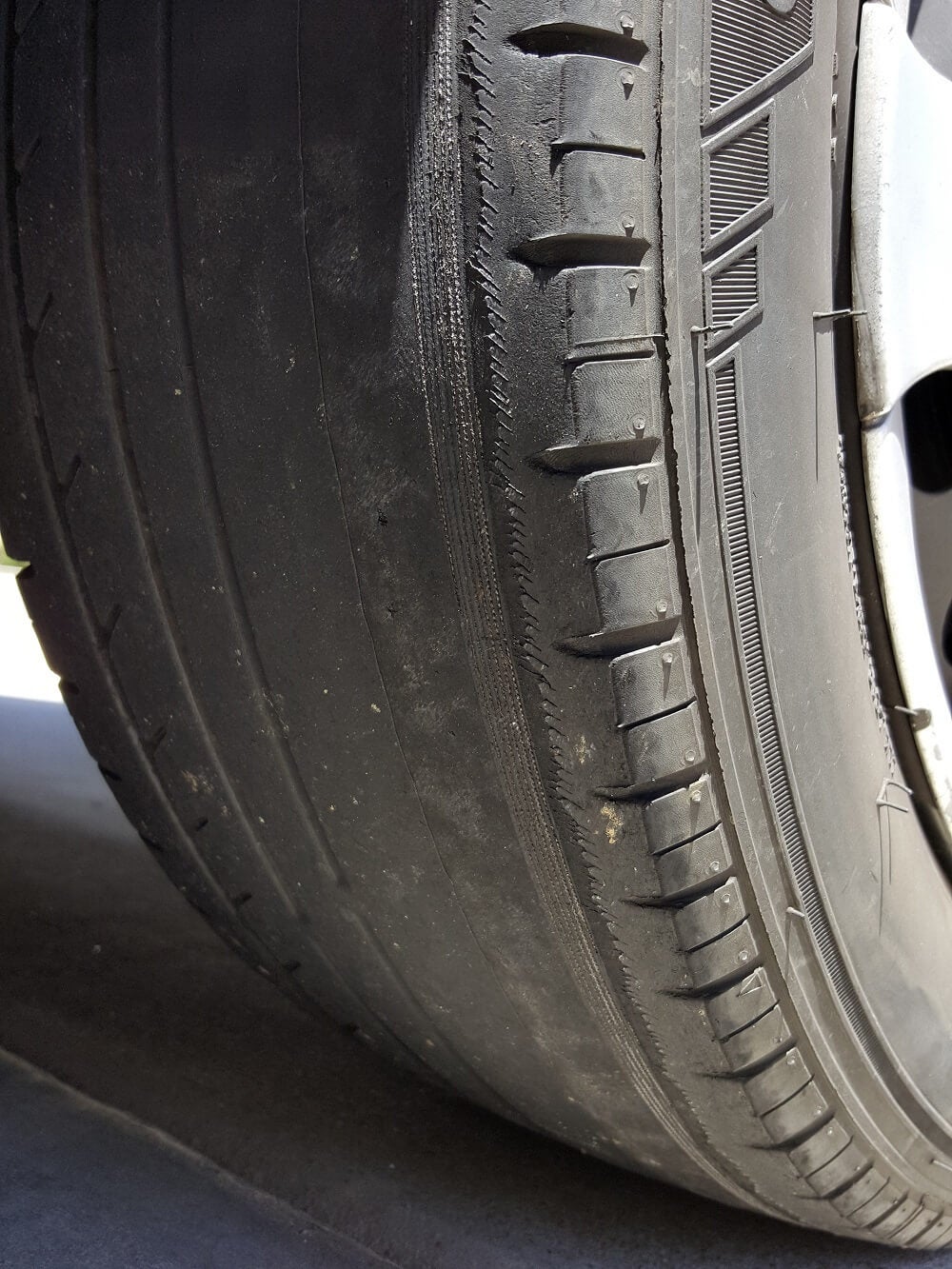
Sidewall cracks are another sign of tire wear. Cracks can happen due to age or sun damage. Inspect your tires for any visible cracks. Cracks can lead to tire failure. If you see cracks, consider replacing the tires.

Credit: www.reddit.com
Proper Tire Maintenance
Check tires often. Look for wear and damage. Catching problems early can save you money. Inspecting tires every month is a good habit. Also, check them before long trips. Safety comes first.
Keep tires at the right pressure. Under-inflated tires wear out faster. Over-inflated tires can burst. Check pressure monthly. Use a reliable gauge. Follow the car’s manual for the correct numbers. Proper inflation saves fuel too.
Impact Of Climate
Hot weather can harm tires. High temperatures cause the rubber to expand. This can make tires wear out faster. Tires may lose air pressure more quickly in heat. Over-inflation can also happen. Both issues can lead to uneven wear. Make sure to check tire pressure often in summer.
Cold weather shrinks the rubber. This can cause cracks. Low temperatures make tires lose pressure. Under-inflated tires can wear out faster. Snow and ice can also damage tires. Always check your tires in winter. Regular checks can help them last longer.
Rotation And Alignment
Tires need rotation. This helps them wear evenly. Rotate tires every 6,000 to 8,000 miles. This can extend tire life. It also improves safety. Regular rotation is key.
Proper alignment is crucial. It keeps tires wearing evenly. Misalignment can cause early wear. It also affects driving safety. Check alignment twice a year. Always after hitting a big pothole.
When To Replace Tires
Car tires typically last between 25,000 and 50,000 miles. Check tread depth and look for cracks regularly. Replace tires if they show significant wear.
Mileage Considerations
Tires usually last about 25,000 to 50,000 miles. This can change based on how you drive and where you drive. Highway driving can be easier on tires. City driving with lots of stops and starts can wear them out faster.
Visual Indicators
Check tread depth to see if tires need replacing. Use a penny to measure. Place it in the tread. If you see Lincoln’s head, the tread is too low. Look for cracks or bulges on the side. These can mean it’s time for new tires.
Expert Recommendations
Car tire life varies. Many manufacturers suggest replacing tires every six years. Some tires can last up to ten years. Proper care is key. Check tire pressure regularly. Rotate tires every 5,000 miles. Inspect for damage often. Follow your car’s manual.
Experts say tire care is crucial. Alignment affects tire life. Balanced tires wear evenly. Avoid potholes and rough roads. Drive carefully. Speeding wears tires faster. Regular inspections help. Look for cracks or bulges. Replace damaged tires immediately.
Credit: www.fremontmotors.com
Frequently Asked Questions
How Long Do Car Tires Last On Average?
Car tires usually last between 25,000 to 50,000 miles. Factors like driving habits and road conditions can affect their lifespan. Regular maintenance helps extend tire life.
How Often Should Car Tires Be Replaced?
Car tires should be replaced every 6 years or 25,000 to 50,000 miles. Regularly check for wear and damage.
Is 30000 Miles Good For A Set Of Tires?
Yes, 30,000 miles is a decent lifespan for a set of tires. Regular maintenance can extend tire longevity.
What Is The Standard Life Of A Tire?
The standard life of a tire is typically between 25,000 to 50,000 miles. Proper maintenance and driving habits can extend this lifespan. Always check tire tread and pressure regularly.
Conclusion
Tires are crucial for car safety and performance. Regular checks can extend tire life. Replace tires every 6 years, regardless of wear. Look for signs of damage or uneven wear. Proper maintenance ensures longer-lasting tires. Drive carefully to avoid premature tire wear.
Remember, well-maintained tires save money and keep you safe.