

Knowing how often to change the tires on your car is crucial. It ensures safety and optimal performance.
Tires are the only part of your car that directly touches the road. This makes their condition essential for your safety. Driving on worn-out tires can lead to accidents. But how often should you change them? The answer depends on several factors.
These include your driving habits, road conditions, and tire type. In this blog, we will explore these factors. We will help you understand when it’s time for a tire change. Stay tuned to keep your ride safe and smooth.
Credit: www.gotodobbs.com
Importance Of Tire Maintenance
Good tires keep your car safe. Worn-out tires can cause accidents. New tires grip the road better. This helps you stop faster. You can avoid skidding. You can drive in rain or snow with better control. Safe tires protect you and your family.
Changing tires on time saves money. Old tires can damage your car. You might need more repairs. New tires last longer. Better tires mean fewer problems. You save on gas too. Good tires improve fuel efficiency. This helps you spend less on fuel.

Credit: www.hocksengwahtyres.com
Signs You Need New Tires
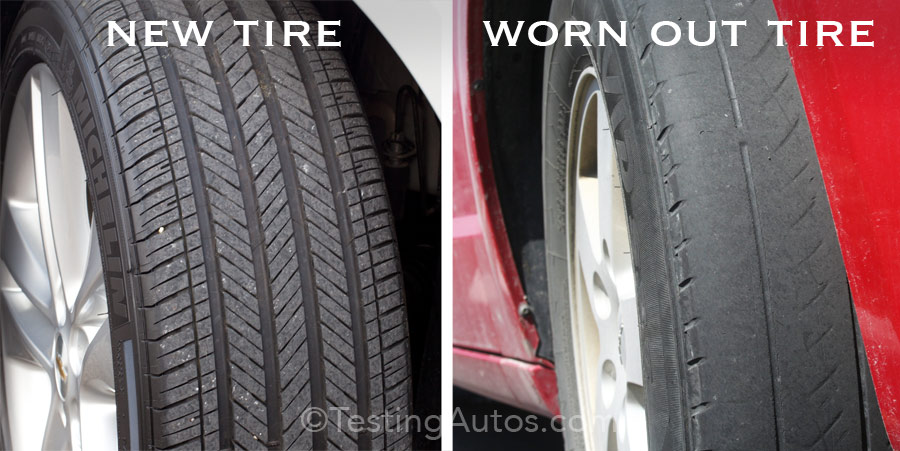
Tires have tread wear indicators. These are small bars of rubber between the treads. When the tread is worn down to these bars, it is time for new tires. Also, check for uneven tread wear. This can mean poor alignment or other issues. Regularly inspect your tires to stay safe.
Cracks or cuts in the tire can be dangerous. Look for bulges or blisters on the tire surface. These show weak spots that could cause a blowout. Punctures and other visible damage need attention. Do not ignore them. Change tires if you see any of these signs.
Recommended Tire Change Frequency
Most experts suggest changing tires every 25,000 to 50,000 miles. This range depends on the type of tire and driving conditions. Regular checks can help ensure safety and performance. Always consider the manufacturer’s recommendations for your specific car.
Even if you drive less, tires age over time. Replace them every six years, regardless of mileage. Tires can crack and lose grip as they age. This can be dangerous. Inspect your tires regularly for signs of aging or wear.
Factors Affecting Tire Longevity
Aggressive driving can wear out tires faster. Quick starts, sudden stops, and fast turns are tough on tires. Smooth driving helps tires last longer. Speeding also adds extra wear. Keep your speed in check to extend tire life.
Potholes and rough roads damage tires. Driving on well-paved roads is better for tires. Avoid gravel roads if possible. Debris on the road can also harm tires. Watch out for sharp objects.
Diy Tire Inspection Tips
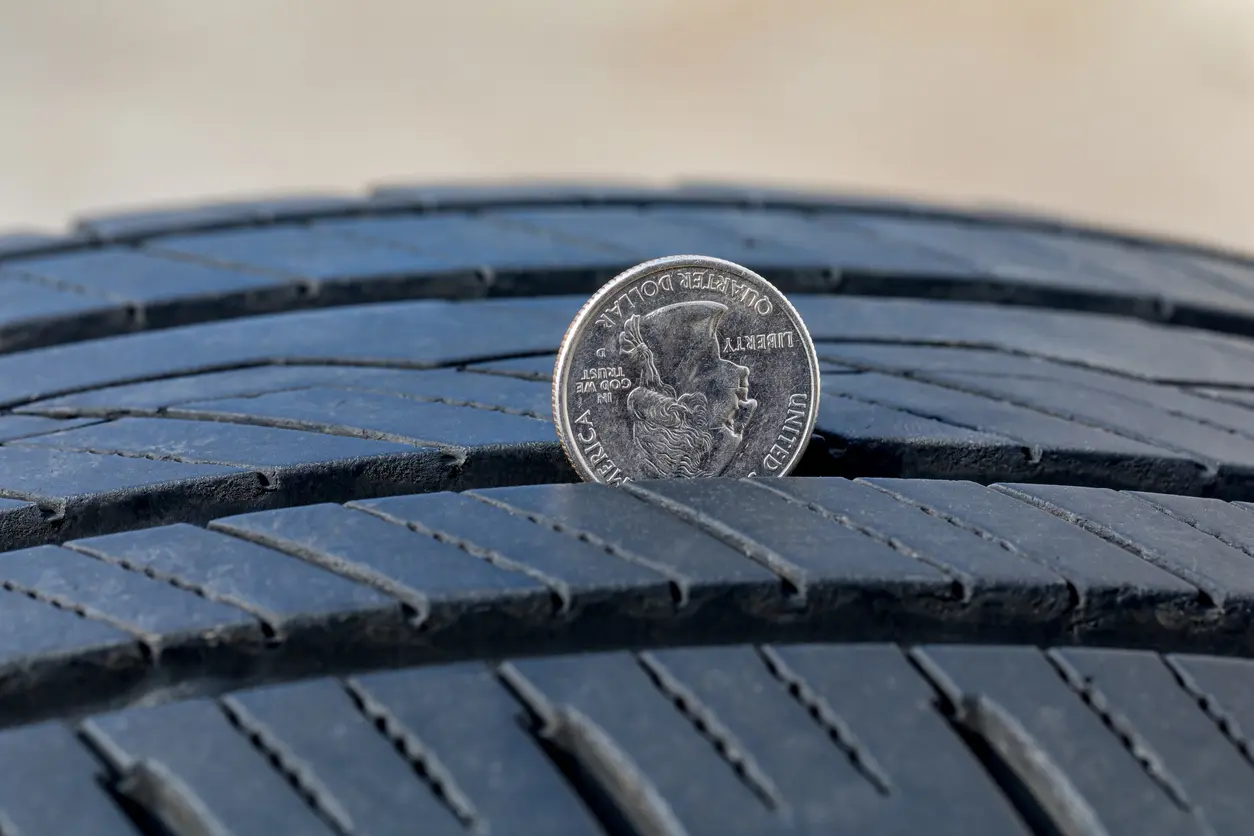
Check your tire tread with a penny. Insert the penny into the tread grooves. Lincoln’s head should be covered. If not, tread is too shallow. Shallow tread means less grip. Less grip means a slippery road. Better replace the tire.
Check tire pressure monthly. Use a pressure gauge. Compare the reading with the car’s manual. Low pressure can cause tire wear. High pressure can lead to blowouts. Proper pressure saves fuel. It also ensures a smooth ride.
Professional Tire Services
Proper alignment and balancing of your tires is key. It helps in even tire wear. This service should be done every 6,000 to 8,000 miles.
Alignment keeps your car driving straight. Balancing ensures smooth rotation. Both are crucial for safety. They also extend tire life.
Tire rotation is essential. It ensures even wear. Rotate your tires every 6,000 to 8,000 miles.
This service helps in distributing tire wear evenly. It improves tire life. It also enhances performance. Be sure to follow this schedule.
Choosing The Right Tires
Seasonal tires are made for different weather. Winter tires perform best in cold. They have deep treads and soft rubber. This helps with snow and ice. Summer tires work well in warm months. They have shallower treads and hard rubber. This gives better grip on dry roads. All-season tires are a mix. They work okay in both seasons. But, they are not the best in extreme weather.
Performance tires are built for speed. They offer better handling. These tires have unique treads. They provide grip on dry roads. Performance tires also have stiff sidewalls. This helps with sharp turns. They are perfect for sports cars. But, they wear out faster. They are not good for all weather. Only use them in good conditions.
Proper Tire Disposal
Old tires can be recycled. Many tire shops offer recycling services. Some communities have recycling centers. These centers accept old tires. You can also find tire recycling programs online. Always check local options.
Old tires harm the environment. They take up space in landfills. Tires can catch fire easily. Burning tires release toxic gases. These gases pollute the air. Recycling tires helps the planet. It reduces waste and saves resources.
Credit: www.testingautos.com
Frequently Asked Questions
How Long Do Tires Last On Average?
Tires typically last between 25,000 to 50,000 miles. Lifespan depends on driving habits, maintenance, and road conditions. Regular checks can maximize tire longevity.
How Often Should I Replace The Tires On A Car?
Replace car tires every 6 years or after 40,000-60,000 miles, whichever comes first. Check regularly for wear and damage.
How To Tell If Car Tires Need Replacing?
Check for worn treads, cracks, or bulges. Inspect tire pressure and alignment. Replace tires every six years or at 2/32″ tread depth.
How Soon Should You Replace Car Tires?
Replace car tires every 6 years or after 25,000 to 50,000 miles. Check for signs of wear regularly.
Conclusion
Changing your car tires regularly ensures safety and optimal performance. Check your tire tread depth and inspect for any damage. If you notice wear, replace the tires. Routine maintenance prevents accidents and saves money long-term. Always consult your vehicle’s manual for specific guidelines.
Stay proactive about tire care. Safe driving depends on reliable tires. Keep your vehicle in top shape by monitoring tire health. Remember, well-maintained tires mean a smoother, safer ride.