
Changing a flat tire is a basic skill every driver should know. It can save you time and money.
Imagine you’re driving on a busy road, and suddenly, you hear a thump. You pull over and discover a flat tire. Panic sets in, but don’t worry. Changing a flat tire is easier than you think. With some simple tools and a bit of knowledge, you can get back on the road in no time.
This guide will walk you through each step, ensuring you can handle this situation confidently. You don’t need to be a mechanic to do this. Follow along and learn how to change a flat tire on your car quickly and safely.
Gather Necessary Tools
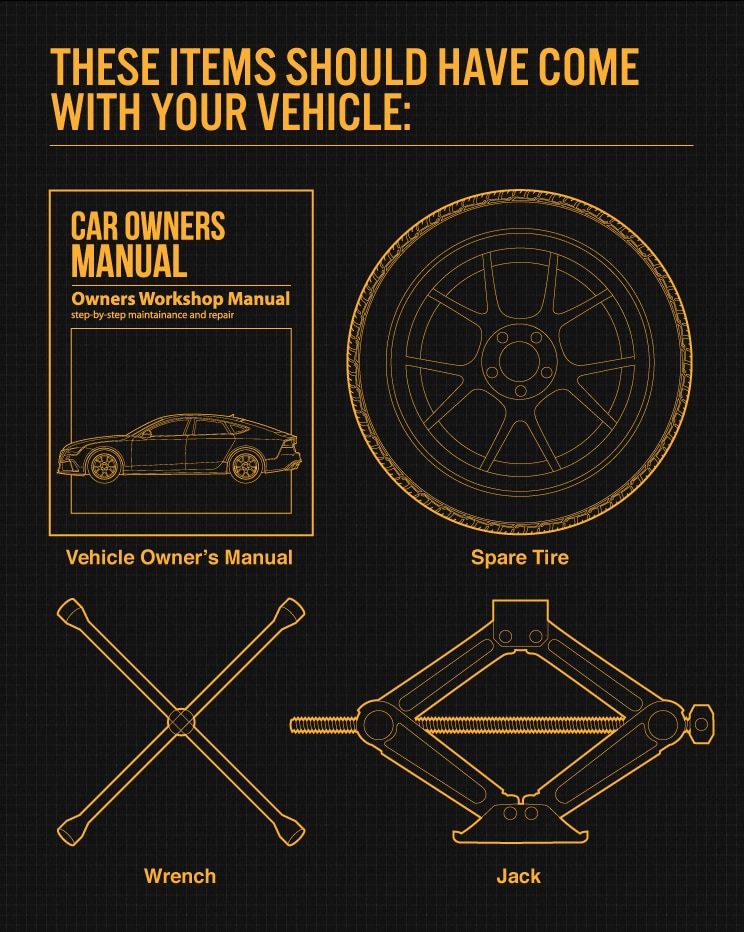
You need a few basic tools. First, a spare tire. Next, a jack to lift the car. A lug wrench is also a must. A wheel chock can prevent the car from rolling. A flashlight helps if it’s dark. Gloves can keep your hands clean. A tire pressure gauge is useful too.
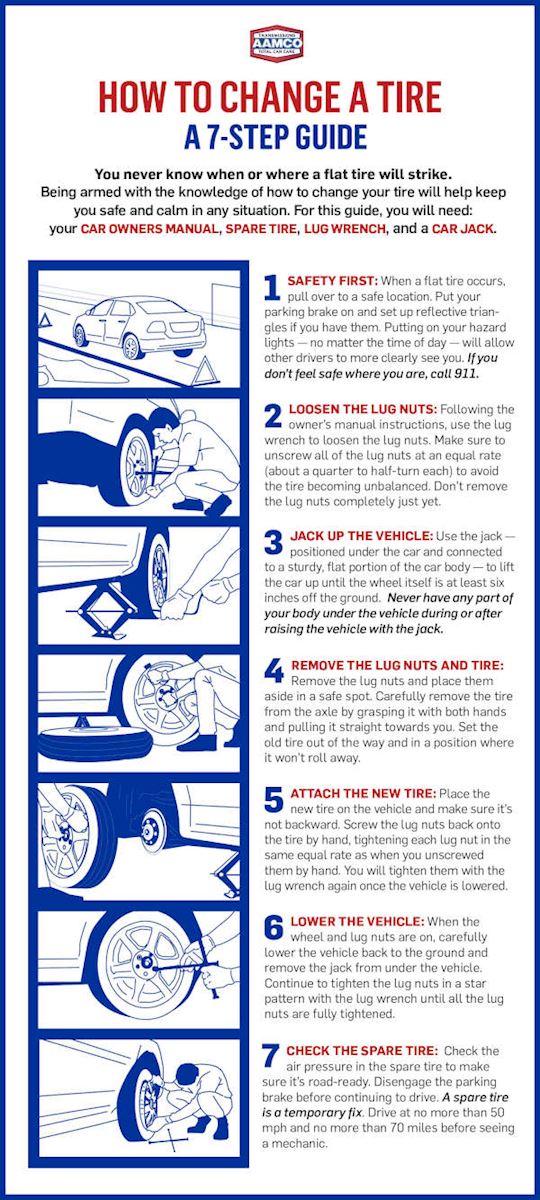
Park the car in a safe spot. Turn on the hazard lights. Use the parking brake. Place wheel chocks behind the wheels. Never change a tire on a slope. Always face the oncoming traffic if on the roadside. Wear a reflective vest for visibility.
Credit: www.convoyautorepair.com
Park The Car Safely
Find a flat spot away from traffic. Avoid hills. Turn on your hazard lights. This alerts other drivers.
Use the parking brake. This keeps the car from rolling. It’s an important step. Do it every time.
Loosen The Lug Nuts
First, take off the hubcap or wheel cover. Use a flat tool to pry it off. Be gentle to avoid damage. Put it aside in a safe place.
Next, use a lug wrench to loosen the lug nuts. Turn the wrench to the left to loosen. Do not remove the nuts completely yet. Just make them easy to turn by hand.
Credit: www.aamcoblog.com
Lift The Car
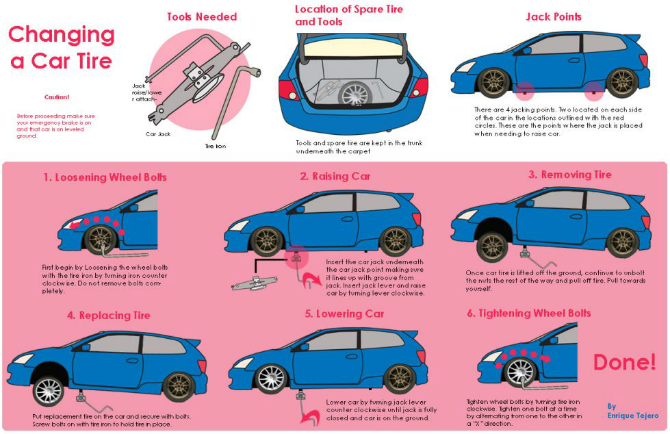
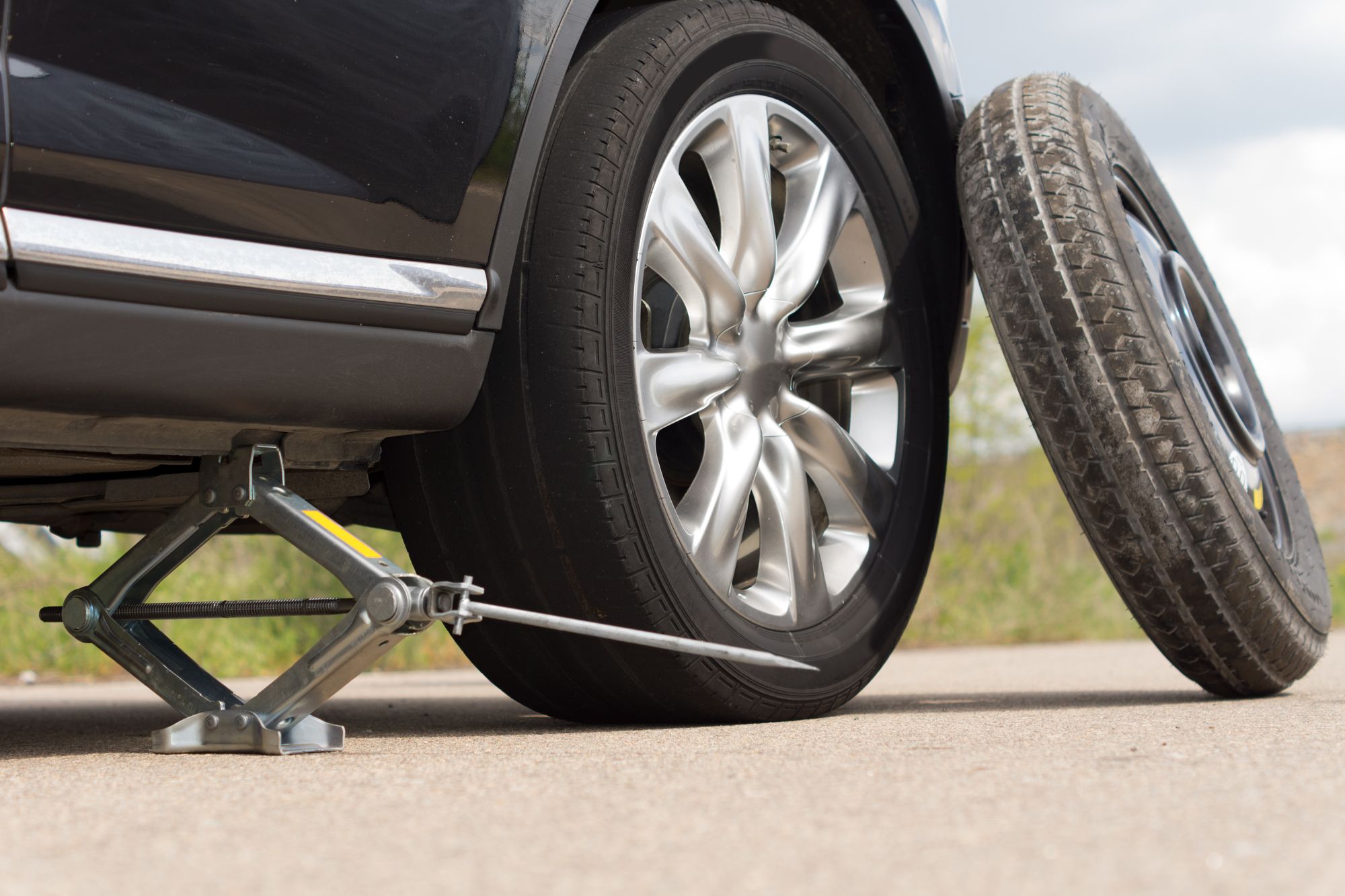
Find the right spot to place the jack. Look under the car for the frame. Avoid placing the jack under the car’s body. The frame is stronger and safer for lifting. Place the jack under the frame near the flat tire. Make sure it is secure and on level ground.
Turn the jack handle to lift the car. Raise the car until the tire is off the ground. Do not go too high. Just enough to remove the tire. Check the jack’s stability as you lift. If it looks wobbly, lower the car and reposition the jack. Safety first.
Remove The Flat Tire
Changing a flat tire on a car involves lifting the vehicle with a jack and removing the flat tire. Next, place the spare tire on the wheel hub and tighten the lug nuts securely. Lower the car and ensure everything is properly fastened.
Take Off The Lug Nuts
Loosen the lug nuts using a wrench. Turn them counterclockwise. Keep turning until they are loose. Do not remove them completely yet. Loosening them first makes it easier. Your car should still be on the ground.
Pull Off The Tire
Once the car is lifted, remove the lug nuts. Keep them in a safe place. Now, pull the tire straight off. It might be heavy. Place the flat tire aside. Make sure the car is secure on the jack. Always be careful.
Mount The Spare Tire
Mounting the spare tire involves aligning the wheel with the lug bolts, then tightening the lug nuts by hand. Ensure the spare tire is secure before lowering the car to the ground.
Align The Spare Tire
Place the spare tire onto the wheel hub. Make sure the holes on the tire match the lug bolts. Push the tire onto the hub firmly. It must sit flat and even. Check that it is centered well. This step is crucial for a safe drive. Proper alignment prevents wobbling and accidents.
Tighten The Lug Nuts
Begin by putting the lug nuts back on the bolts. Start each nut by hand to avoid cross-threading. Use the lug wrench to tighten each nut. Do this in a star pattern. This means tighten one, then move to the opposite side. Repeat until all nuts are tight. Do not tighten in a circle. This keeps the tire balanced.
Lower The Car
Once the spare tire is on, lower the car slowly. Turn the jack handle counterclockwise. Make sure the tire touches the ground but does not bear the full weight. Lower the car fully by continuing to turn the jack handle. Remove the jack from under the car.
With the car on the ground, tighten the lug nuts fully. Use the lug wrench for this. Turn each nut clockwise. Tighten one nut, then move to the opposite nut. This pattern ensures the tire is secure. Check each lug nut again to make sure they are tight.
Stow The Equipment
After changing the tire, collect all your tools. Ensure the jack, lug wrench, and any other items are in their proper places. Secure them in the car’s trunk. This prevents them from moving while driving. Keeping tools organized saves time in future emergencies.
Check the spare tire’s pressure before driving. Use a gauge to ensure it is properly inflated. An underinflated spare can be dangerous. If the pressure is low, fill it up at a nearby gas station. Always keep your spare tire ready for use.
Credit: wrench.com
Frequently Asked Questions
How To Change A Flat Tire On A Car Step By Step?
1. Park on a flat surface and engage the parking brake. 2. Loosen lug nuts slightly with a wrench. 3. Lift the car with a jack. 4. Remove lug nuts and flat tire. 5. Mount the spare tire and tighten lug nuts.
6. Lower the car and fully tighten lug nuts.
Do You Put A Car In Neutral When Changing A Tire?
No, keep the car in park (automatic) or in gear (manual) when changing a tire. This prevents it from rolling.
Do You Need A Jack To Change A Flat Tire?
Yes, you need a jack to change a flat tire. It lifts the car, allowing you to remove the tire safely.
What Should You Do Before Changing A Flat Tire?
Park safely and turn on hazard lights. Apply parking brake. Place wheel wedges. Remove the hubcap. Loosen lug nuts.
Conclusion
Changing a flat tire is a useful skill. It saves time and money. Follow the steps carefully. Keep the tools in your car. Practice makes it easier. Always ensure safety first. Wear reflective clothing at night. Now, you’re ready for the road.
No more waiting for help. Feel confident and prepared. Happy and safe driving!