
If you’ve ever struggled to connect a hose to your air compressor, you know how frustrating it can be. Getting it right is key to making sure your tools work smoothly and safely.
In this guide, you’ll learn simple, step-by-step tips to connect your hose quickly and securely. Whether you’re a beginner or just need a refresher, these easy tricks will save you time and headaches. Keep reading, and you’ll be ready to tackle your next project with confidence.
Credit: premiumconwin.com
Choosing The Right Hose
Choosing the right hose is key to connecting your air compressor properly. The correct hose ensures good air flow and safety. It also helps your tools work well and last longer. Consider the type, material, length, and diameter of the hose before buying.
Types Of Air Compressor Hoses
There are several types of hoses for air compressors. Rubber hoses are strong and flexible. They work well in cold and hot weather. PVC hoses are lightweight and cheaper. They bend less but can crack in cold. Hybrid hoses mix rubber and PVC for durability and lightness. Choose the type that fits your use and environment.
Material Considerations
Hose material affects durability and safety. Rubber hoses resist kinks and wear. They handle high pressure well. PVC hoses are lighter but less flexible. They suit light jobs and indoor use. Some hoses have nylon or polyurethane layers for strength. Pick a material that matches your work conditions and pressure needs.
Length And Diameter Selection
Hose length affects how far you can reach. Longer hoses give more freedom but can lower air pressure. Choose a length that fits your workspace. Diameter controls the air flow inside the hose. Larger diameters allow more air but can be bulky. Most tools need a 3/8 inch or 1/2 inch hose. Match the diameter to your compressor and tools.

Credit: www.youtube.com
Gathering Necessary Tools
Gathering the right tools is the first step to connect a hose to an air compressor. Using proper tools ensures a tight and safe connection. This prevents air leaks and keeps the compressor working well. The tools also make the setup faster and easier. Below are the key tools and parts you need to prepare before starting.
Essential Connectors And Fittings
Connectors and fittings join the hose and compressor. Common types include quick couplers, threaded fittings, and adapters. Quick couplers help connect and disconnect hoses fast. Threaded fittings provide a strong, leak-free seal. Adapters match different thread sizes on hoses and compressors. Choose connectors made of metal for durability. Plastic parts may break or leak under pressure.
Tools For Secure Attachment
Tools help tighten connectors and make the joint secure. A wrench or adjustable spanner fits most fittings. Use pliers to hold parts steady during tightening. Teflon tape wraps around threaded parts to stop air leaks. Check the tape covers all threads evenly. Avoid over-tightening, which can damage threads or fittings. A clean rag helps wipe dirt and oil from threads before attaching.
Preparing The Hose And Compressor
Preparing the hose and compressor is the first step before connecting them. This step ensures safety and proper function. Taking time here prevents leaks and damage. It also helps the equipment last longer.
Inspecting For Damage
Look closely at the hose for cracks or holes. Check if the hose feels weak or stiff in places. Examine the compressor hose ports for dents or dirt. Any damage can cause air leaks or failure. Replace or repair damaged parts before use.
Cleaning Hose Ends
Remove dust and dirt from both ends of the hose. Use a clean cloth or brush to wipe them. Make sure no debris blocks the hose opening. Clean ends help create a tight seal. This prevents air from escaping during operation.
Checking Compressor Ports
Check the compressor ports for dirt or rust. Clean ports with a soft cloth if needed. Ensure the ports are dry before attaching the hose. Dry and clean ports help the hose connect securely. This step avoids air leaks and poor performance.

Credit: www.reddit.com
Attaching The Hose To The Compressor
Attaching the hose to the air compressor is a simple but important step. A secure connection keeps the air flowing safely. It also prevents leaks and pressure drops. This guide explains how to connect the hose properly. Use the right method for your compressor type.
Connecting Quick-connect Fittings
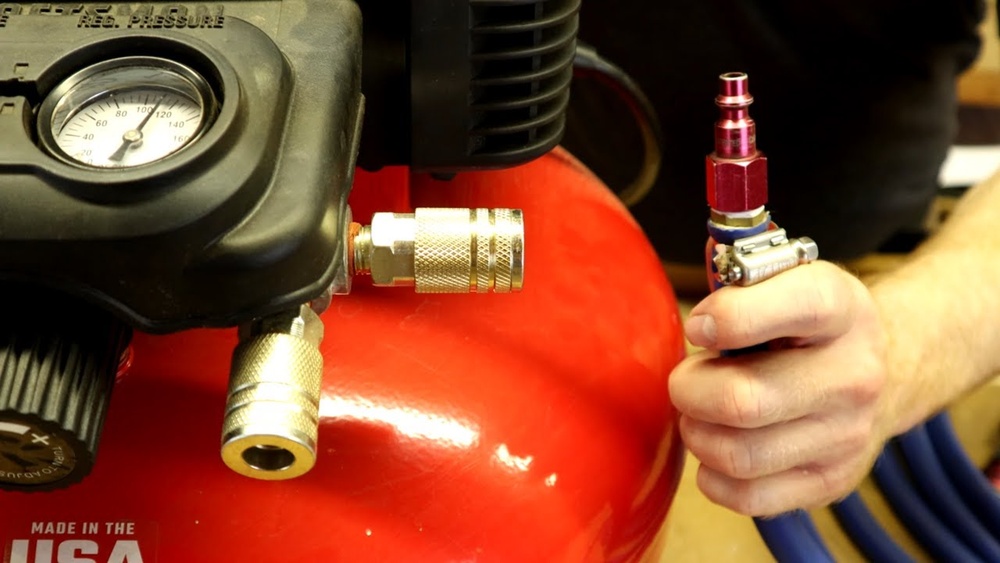
Quick-connect fittings allow fast and easy hose attachment. Push the fitting onto the compressor’s outlet. You will hear a click sound when it locks in place. Pull gently to check the connection is secure. Quick-connects save time and effort on job sites.
Threaded Connection Methods
Threaded connections use screw threads to join the hose and compressor. Wrap Teflon tape around the threads. This tape helps prevent air leaks. Screw the hose fitting onto the compressor tightly by hand. Use a wrench to tighten it further. Avoid over-tightening to prevent damage.
Ensuring A Tight Seal
A tight seal stops air from escaping the connection. Check for any gaps or loose fittings. Use Teflon tape on threaded joints to improve sealing. Make sure quick-connect fittings click fully into place. Test the connection by turning on the compressor. Watch for hissing sounds or drops in pressure.
Testing The Connection
Testing the connection between your hose and air compressor is important. It ensures safety and proper function. A good connection prevents air loss and keeps your tools running well. Follow these steps to check and fix your setup.
Checking For Air Leaks
Turn on the air compressor and listen carefully near the connection. Hissing sounds mean air is escaping. You can also feel for air blowing with your hand. Use soapy water on the joint; bubbles show leaks. Catching leaks early saves energy and keeps pressure steady.
Adjusting Connections If Needed
Loose fittings cause most leaks. Tighten the hose connector by hand first. Use a wrench if it still leaks, but do not overtighten. Check the hose end and compressor port for damage. Replace worn parts to get a tight seal. Test again after adjustments to ensure no leaks remain.
Maintaining Your Hose Setup
Maintaining your hose setup is key to keeping your air compressor working well. A well-kept hose lasts longer and works better. Small issues can turn into big problems fast. Regular care helps avoid leaks and damage. It saves money and time on repairs. Follow simple steps to keep your hose in good shape.
Regular Inspection Tips
Check your hose often for cracks or holes. Look at the fittings for rust or looseness. Feel the hose for soft or weak spots. Make sure the hose is clean and dry. Repair small leaks quickly to stop bigger damage. Replace the hose if it shows heavy wear.
Storage Best Practices
Store the hose in a cool, dry place away from sunlight. Avoid sharp bends or kinks when coiling the hose. Use a hose reel or hanger to keep it neat. Keep the hose off the ground to prevent dirt and moisture. Disconnect the hose from the compressor after use. Proper storage keeps the hose flexible and ready to use.
Frequently Asked Questions
How Do I Connect A Hose To An Air Compressor?
First, ensure the air compressor is off. Attach the hose fitting to the compressor’s outlet securely. Use a wrench if needed. Check for leaks by turning on the compressor and listening for hissing sounds.
What Tools Are Needed To Attach An Air Hose?
You typically need a wrench and possibly Teflon tape. The wrench helps tighten fittings. Teflon tape seals threaded connections to prevent leaks. Most hoses come with quick-connect fittings, reducing tool needs.
Can I Use Any Hose With My Air Compressor?
No, use a hose rated for your compressor’s pressure. Check the PSI rating on the hose label. Using the wrong hose risks damage and safety hazards. Always choose hoses designed for compressed air use.
How To Check For Leaks After Connecting Hose?
Turn on the compressor and listen for hissing sounds near fittings. Apply soapy water on connections; bubbles indicate leaks. Tighten fittings or replace damaged parts if leaks are found. Proper sealing ensures efficient and safe operation.
Conclusion
Connecting a hose to an air compressor is simple and safe. Make sure the hose fits tightly on the compressor’s outlet. Check all connections for leaks before starting work. Always follow the compressor’s instructions for best results. Proper connection helps your tools work well and last longer.
Take your time and be careful. With these steps, you can use your air compressor with confidence and ease. Keep your equipment in good shape for better performance every time.