
A wheel alignment ensures your car drives straight and smooth. It keeps your tires wearing evenly.
So, how do you do a wheel alignment on a car? This guide is here to help. Proper wheel alignment is crucial for your vehicle’s performance and safety. Misaligned wheels can cause uneven tire wear and poor handling. Aligning your wheels at home can save you time and money.
But it’s important to understand the basics first. In this post, you’ll learn what wheel alignment is and why it matters. We’ll also cover the steps to check and adjust your car’s wheel alignment. Ready to get started? Let’s dive into the essentials of wheel alignment for your car.

Credit: en.wikipedia.org
Introduction To Wheel Alignment
Wheel alignment makes sure your car drives straight. It also helps your tires last longer. Good wheel alignment keeps your car safe. Bad alignment can cause problems. You need to check your wheel alignment often.
Importance Of Wheel Alignment
Proper wheel alignment saves money on tires. It also improves fuel efficiency. Aligned wheels make driving smoother. They prevent uneven tire wear. Most importantly, they keep you safe on the road.
Common Symptoms Of Misalignment
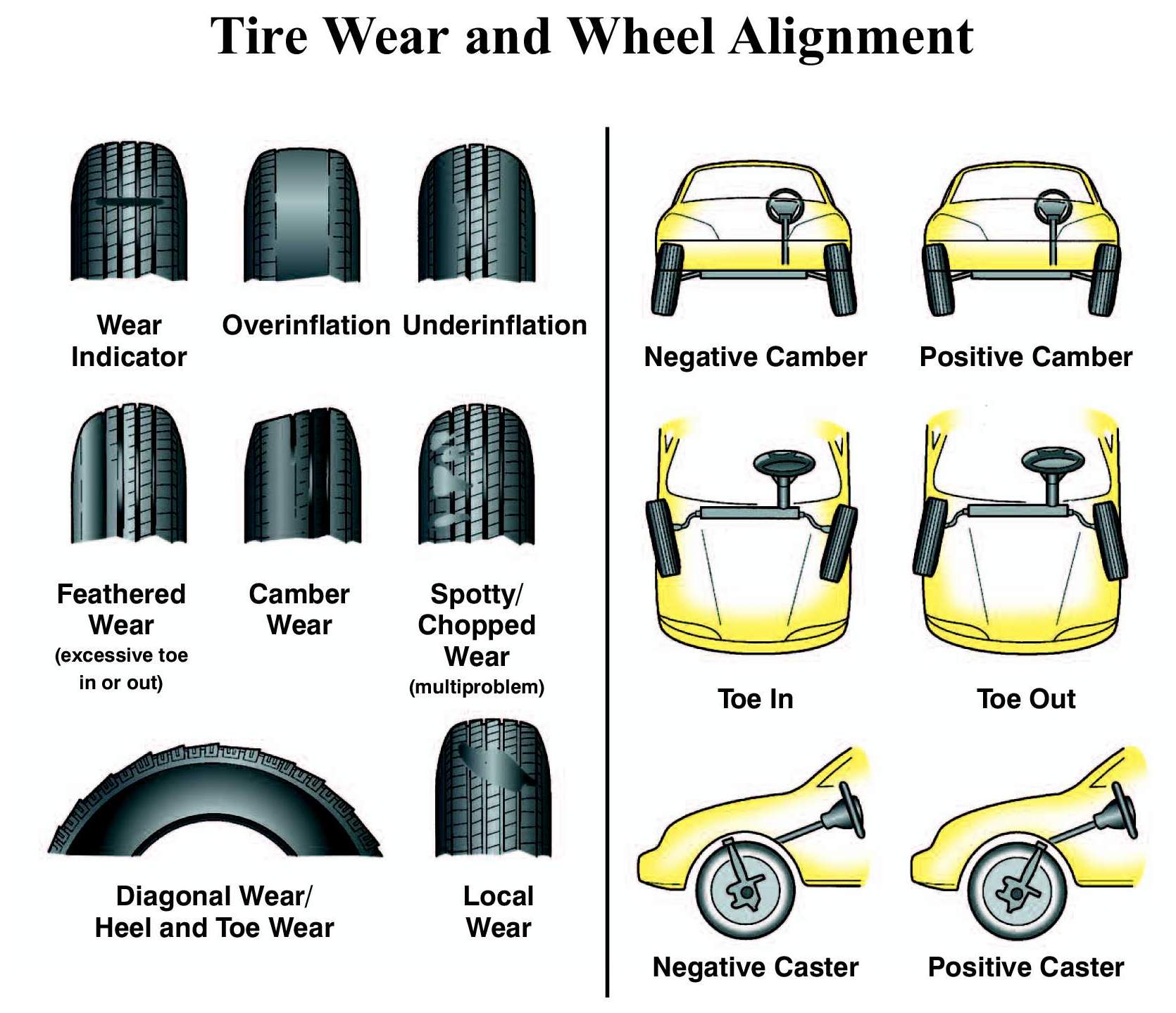
Does your car pull to one side? This could mean misalignment. Uneven tire wear is another sign. Steering wheel might vibrate. Car may feel unstable. All these are signs to check wheel alignment.
Tools And Materials Needed
You need a few basic tools for wheel alignment. A jack to lift the car. Wrenches to loosen bolts. A tape measure to check distances. Wheel chocks to keep the car still. A level to ensure balance. Markers to mark positions. These tools are essential for a proper alignment.
Some tools are not essential but helpful. Turn plates make adjustments easier. Camber gauge checks angles. Toe gauge measures toe-in and toe-out. Laser alignment tool offers precision. Alignment rack provides a flat surface. These accessories can make the job easier.
Preparation Steps
Ensure the car is on a flat surface. Engage the parking brake. Use wheel chocks to prevent the car from moving. Wear safety gloves to protect your hands. Avoid loose clothing that can get caught. Make sure the area is well-lit. Have all your tools ready. Check the car’s manual for specific instructions. Always follow safety guidelines. Your safety is important.
Check the tire pressure. Ensure all tires are properly inflated. Look for any visible damage on the tires. Inspect the tread depth. Check for uneven wear. Examine the suspension components. Look for any signs of wear or damage. Ensure the steering components are intact. Check the alignment of the wheels visually. Make sure everything looks normal. A thorough inspection helps find issues early.
Measuring Alignment Angles
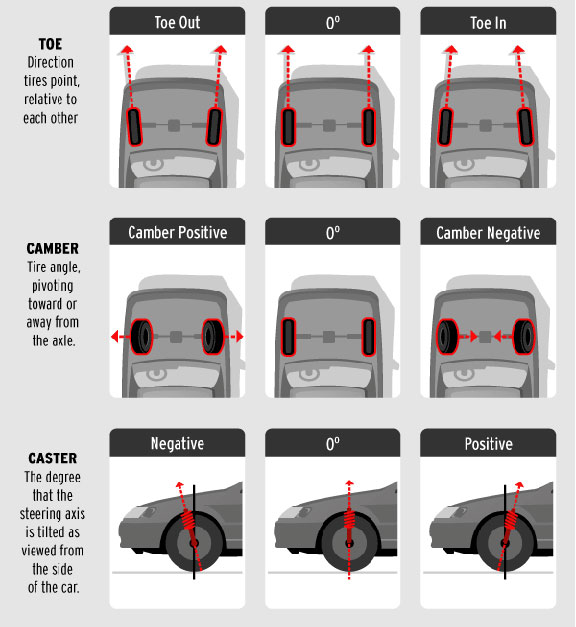
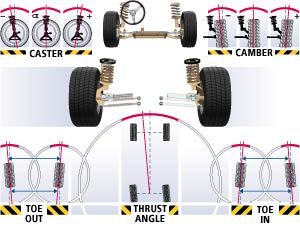
The camber angle is the angle of the tires. It affects tire wear and handling. Positive camber means the top of the tire tilts out. Negative camber means the top of the tire tilts in. Check the camber angle with a special tool. Adjust if needed to keep the tires flat on the ground.
The caster angle affects the steering stability. Positive caster means the steering axis tilts toward the driver. Negative caster means the steering axis tilts away from the driver. Measure the caster angle using a gauge. Adjust to ensure the car drives straight.
The toe angle is the difference in distance between the front and back of the tires. Toe-in means the front of the tires are closer together. Toe-out means the front of the tires are farther apart. Measure the toe angle with a tape measure. Adjust to prevent tire wear and improve handling.
Adjusting The Camber
Camber issues can cause uneven tire wear. Check if the tires wear more on one side. This is a sign of camber problems. Use a level to check the tire’s angle. Place it against the tire’s side. The bubble will show if the camber is off. Camber issues can affect steering. The car may pull to one side. This can be dangerous. It’s important to fix camber issues soon.
First, park the car on a flat surface. Turn off the engine and set the parking brake. Next, use a jack to lift the car. Remove the tire. Find the camber bolt near the top of the wheel. Loosen the camber bolt with a wrench. Adjust the camber by moving the wheel. Tighten the bolt once the camber is correct. Put the tire back on. Lower the car and test drive it. Check if the car drives straight. Repeat if needed.
Credit: kevinscarrepair.com
Adjusting The Caster
Caster problems make the car pull to one side. Check if the car steers easily. If not, there might be a caster issue. Look at the front wheels. If they tilt too much, there is a problem. Use a ruler to measure the tilt.
Park the car on a flat surface. Turn the steering wheel straight. Raise the front of the car. Check the manual to find the caster adjustment bolts. Loosen the bolts.
Adjust the tilt of the wheels using a ruler. Tighten the bolts again. Lower the car back to the ground. Test drive the car to see if it is fixed.
Adjusting The Toe
Adjusting the toe involves aligning the front of the tires to ensure they point straight. This process helps improve tire wear and vehicle stability. Precise toe adjustment is crucial for optimal driving performance.
Identifying Toe Issues
Toe alignment affects tire wear and car handling. Incorrect toe can cause tire wear. Measure toe by checking tire angles. Use a tape measure. Compare the distance between the front and back of the tires. If the front is closer, you have toe-in. If the back is closer, you have toe-out.
Steps To Adjust Toe
- Park your car on a flat surface.
- Loosen the tie rod lock nuts.
- Turn the tie rod to adjust the toe.
- Re-measure the tire distances.
- Tighten the tie rod lock nuts.
- Test drive the car.
Post-alignment Checks
Post-alignment checks ensure your car’s wheels are correctly aligned after adjustments. Inspect tire wear patterns and confirm the steering wheel is centered. Test drive the car to ensure it tracks straight.
Test Driving The Vehicle
Test drive the car on a smooth road. Notice any pull to one side. Make sure the steering wheel is centered. Check for vibrations. Listen for unusual noises. Test braking. The car should go straight. Any issues? Recheck the alignment.
Rechecking Alignment Angles
Use alignment tools to recheck angles. Ensure they match the car’s specs. Small differences can affect driving. Adjust if needed. Better safe than sorry. Proper angles mean better tire life.
Expert Tips And Tricks
Many people often over-tighten the wheel nuts. This can damage the threads. Always use a torque wrench. Wrong tire pressure is another mistake. It affects the alignment process. Ensure proper tire pressure before starting.
Failing to check suspension parts is a big error. Worn parts affect alignment. Inspect them first. Skipping the test drive can also cause issues. Always test drive after alignment. It helps you notice any problems.
Use a level surface for alignment. This ensures accuracy. Mark the center of the steering wheel. It helps keep it straight. Always measure the toe angle. This affects tire wear.
Check the camber angle. This affects handling. Adjust if needed. Ensure the caster angle is correct. It helps with steering stability. Follow these tips for the best results.
Credit: www.jimfalk.com
Frequently Asked Questions
Can I Do Wheel Alignment Myself?
You can attempt wheel alignment, but it’s challenging without proper tools and expertise. Professional service is recommended for accuracy.
How Is Car Wheel Alignment Done?
Car wheel alignment is done by adjusting the angles of the wheels. This ensures proper contact with the road. Technicians use specialized equipment to measure and correct the alignment. Proper alignment improves handling, tire wear, and fuel efficiency.
How Much Should Car Wheel Alignment Cost?
Car wheel alignment typically costs between $50 and $100. Prices may vary based on location and vehicle type. Regular alignments can save on tire wear and improve driving safety. Always check for any additional fees.
What Are The Steps For Wheel Alignment?
1. Inspect tire condition. 2. Check alignment angles. 3. Adjust camber, caster, and toe settings. 4. Test drive the vehicle. 5. Recheck alignment for accuracy.
Conclusion
Aligning your car’s wheels is crucial for smooth and safe driving. It extends tire life and improves handling. Follow the steps carefully to ensure accuracy. Regular checks prevent uneven wear. Your car will perform better. Don’t overlook this essential maintenance task.
Keep your vehicle in top condition. Safe travels!