
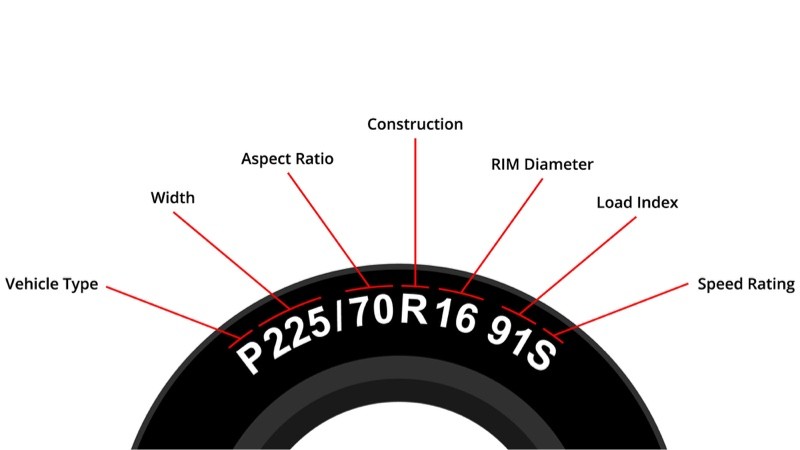
Knowing how to read a tire size on a car is essential. It helps you understand your vehicle better.
Tire sizes include numbers and letters on the sidewall. These markings provide vital information about the tire’s dimensions and capabilities. Understanding these details can improve your driving safety and enhance your car’s performance. Whether you’re replacing tires or just curious, learning to read tire sizes is a valuable skill.
In this guide, we’ll break down the tire size code, making it simple for you to understand. This knowledge will help you make informed decisions about your tires and ensure your car runs smoothly.
Introduction To Tire Sizes
Understanding tire sizes is very important. It helps you pick the right tires. Wrong tire sizes can cause problems. Safety, handling, and comfort depend on the right size. Tires affect fuel efficiency too. Knowing tire size saves money and time. It ensures a smooth drive.
Each tire has a size code on its side. This code tells you the tire’s width, height, and diameter. The right tire size keeps your car safe. It makes sure your car runs well. It can also save you money on fuel.
| Component | Description |
|---|---|
| Width | The width of the tire in millimeters. |
| Aspect Ratio | The height of the tire’s sidewall. |
| Diameter | The diameter of the wheel in inches. |
| Load Index | Maximum weight the tire can carry. |
| Speed Rating | Maximum speed the tire can handle. |
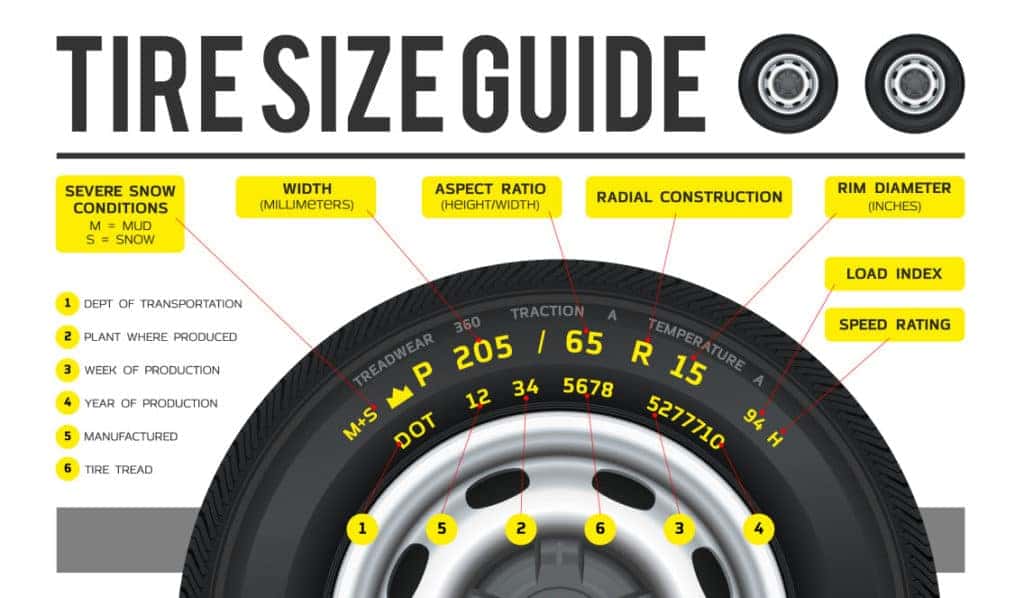
Credit: www.bmwofstratham.com
Locating Tire Size Information
Find the tire size on the sidewall of your car’s tire. It appears as a series of numbers and letters. This information helps you understand the tire’s width, aspect ratio, and diameter.
Sidewall Markings
The tire size is on the tire’s sidewall. Look for a series of numbers and letters. These markings give important information. The first number tells the tire’s width in millimeters. The second number is the aspect ratio. A letter follows. It shows the tire’s construction type, like “R” for radial. The final number shows the wheel diameter in inches. Each part helps understand the tire’s size and fit.
Owner’s Manual Reference
Check the owner’s manual for tire size. The manual has detailed tire information. It also advises on the best tire for your car. Always use the manual’s guidance. This ensures safety and the best performance. The manual may list multiple tire sizes. Choose the one that fits your needs best.
Breaking Down Tire Size Codes
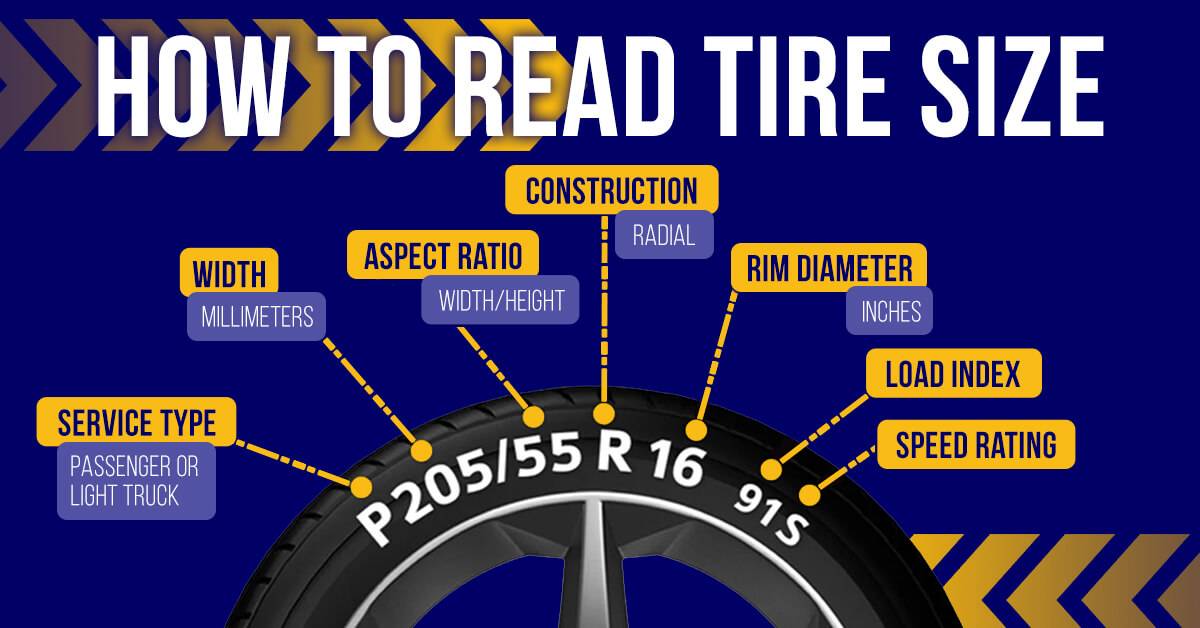
Tire size codes can seem confusing. Once you know the basics, it gets easier. The first part is the width. This number shows how wide the tire is in millimeters. A wider tire means more grip on the road.
Next is the aspect ratio. This number is a percentage. It tells the height of the tire’s sidewall compared to its width. A lower aspect ratio means a sportier look and feel.
The last part is the diameter. This number tells the size of the wheel in inches. It ensures the tire fits the wheel correctly.
The load index shows how much weight the tire can hold. A higher number means the tire can carry more weight. This is crucial for safety and performance.
The speed rating tells the maximum speed the tire can safely handle. This is marked by a letter. Make sure to match your car’s needs with the right tire.
Credit: dandrcarcare.com
Understanding Width And Aspect Ratio
Tire width is the first number you see on the sidewall. It is measured in millimeters. For example, in 225/45R17, 225 is the width. Wider tires can offer better grip. Narrow tires are better for fuel efficiency.
Aspect ratio is the second number. It shows the height of the tire’s sidewall as a percentage of the width. In 225/45R17, 45 means the sidewall height is 45% of the width. A lower aspect ratio means a shorter sidewall. This can improve handling. A higher aspect ratio means a taller sidewall. This can make the ride smoother.
Decoding Diameter And Construction
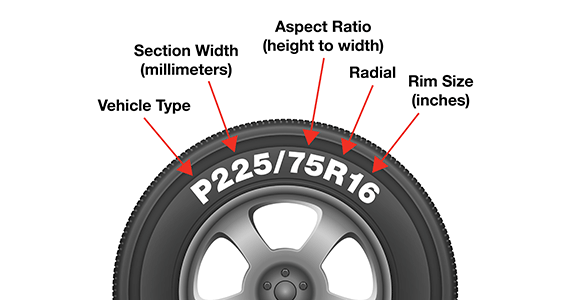
The wheel diameter tells you the size of the tire. It is measured in inches. For example, a tire marked 17 means it fits a 17-inch wheel. The right diameter ensures your tire fits well. It affects how your car handles and rides.
Tires come in different construction types. The common ones are radial and bias-ply. Radial tires have layers of fabric that run across the tire. They offer a smoother ride. Bias-ply tires have layers that crisscross. They are stronger and used for heavy loads.
Credit: www.monro.com
Interpreting Load Index And Speed Rating
The load index shows how much weight a tire can carry. It is a number found on the tire. Each number represents a weight in pounds. For example, a load index of 85 can carry 1135 pounds. A load index of 90 can carry 1323 pounds. Check your car’s manual for the right load index.
The speed rating tells how fast a tire can go safely. It is a letter on the tire. For example, S means up to 112 mph. T means up to 118 mph. Check your car’s manual for the right speed rating. Tires with higher speed ratings are usually more expensive. Always match the tire’s speed rating to your car’s needs.
Special Tire Markings
All-season tires have “M+S” or “M&S” on them. This means mud and snow. Winter tires have a snowflake symbol. It shows they are good in cold weather. These tires are safer in winter. They grip the road better. Winter tires are best for snow and ice. All-season tires work well in mild weather. They are not good for heavy snow.
Run-flat tires can keep going after a puncture. This is helpful if you get a flat tire. They have strong sidewalls. You can drive on them for a short distance. They let you get to a repair shop. Run-flat tires are safer. They do not need a spare tire. This saves space in your car. They can be more costly than regular tires.
Common Tire Size Mistakes
Using different tire sizes can be a big mistake. It can affect your car’s balance. Different sizes can also wear unevenly. This means one tire wears out faster. Your car might not handle well. It can be dangerous, especially in bad weather. Always use the same size on all tires.
Car makers know best. They test many tires for each car model. Using the right size is crucial. The wrong size can cause damage. It can also void your warranty. Always check your car’s manual. Follow the recommended tire size. This ensures safety and good performance.
Choosing The Right Tire Size
Check your car’s manual. It tells the right tire size. Use the recommended size for safety. Wrong size can harm your car. It can also cause accidents. Always follow the manufacturer’s guide.
Think about where you drive. Snowy areas need special tires. Rainy places need good grip. Hot places need strong tires. Choose tires that match your driving conditions. This keeps you safe.
Frequently Asked Questions
How Do You Read A Tire Size?
Read a tire size by examining the sidewall markings. The numbers indicate width, aspect ratio, and diameter. For example, 225/45R17 means 225mm width, 45% aspect ratio, and 17-inch diameter.
What Does 225 60r17 99h Mean?
225 60r17 99h represents tire specifications. 225 is the width in millimeters. 60 is the aspect ratio. R indicates radial construction. 17 is the wheel diameter in inches. 99h is the load index and speed rating.
What Does 35×12 5×17 Mean On A Tire?
35×12. 5×17 on a tire means the tire is 35 inches in diameter, 12. 5 inches wide, and fits a 17-inch wheel.
What Does 205 55 R16 Mean On A Tire?
“205 55 r16” indicates tire dimensions. “205” is the width in millimeters, “55” is the aspect ratio, and “r16” is the wheel diameter in inches.
Conclusion
Reading a tire size on a car is simple with practice. Remember the sequence of numbers and letters. They reveal the tire’s width, aspect ratio, and diameter. Check your owner’s manual if unsure. Regularly inspect your tires for safety. Understanding tire sizes helps maintain your car better.
It ensures a smooth and safe ride. Now, you can confidently read and understand tire sizes. Happy driving!