
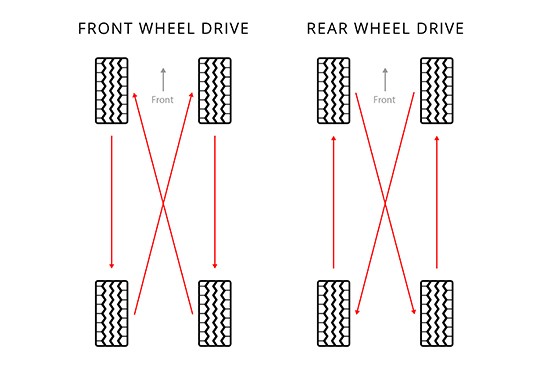
Rotating the tires on your car is essential for even wear. It helps extend their lifespan and ensures a smoother ride.
Proper tire rotation is key to maintaining your car’s performance and safety. Many people overlook this simple task, but it’s crucial. Rotating your tires involves moving them to different positions on the vehicle. This process ensures that all tires wear evenly, providing better handling and grip.
By regularly rotating your tires, you can save money in the long run. It reduces the need for frequent replacements and keeps your car running smoothly. In this guide, we will explain step-by-step how to rotate your tires like a pro. You’ll learn the tools you need and the best practices to follow. Let’s get started!
Introduction To Tire Rotation
Tire rotation keeps your car safe. It helps tires wear evenly. Uneven tire wear can cause problems. Tires may become unsafe. You may lose control of the car. Rotating tires regularly can prevent this. It saves money. You won’t need new tires often.
Rotating tires helps them last longer. It reduces the risk of blowouts. Blowouts can be dangerous. Tires wear differently. Front tires wear faster. Rear tires wear slower. Rotation balances this wear. It improves gas mileage. Your car drives smoother. It improves performance. Tires grip the road better.
Rotate tires every 5,000 to 8,000 miles. Check your car’s manual. Follow the guidelines. Check tires for wear. Look for uneven wear. Rotate them more often if needed. This keeps your car safe. It helps tires last longer. Regular rotation is key.
Credit: www.tirerack.com
Gathering Necessary Tools
Gather a few essential tools. First, you need a car jack. This helps lift the car. Next, find a lug wrench. It helps remove the wheel nuts. Also, get some jack stands. These keep the car stable. Lastly, have a tire pressure gauge. It checks tire pressure.
Safety is vital. Always park on a flat surface. Use the parking brake. Wear gloves to protect your hands. Ensure the car is off and cool. Double-check all tools before starting. Never go under a car without jack stands. Be careful with every step.
Preparing Your Vehicle
Park the car on a flat surface. Turn off the engine and apply the parking brake. Place wheel chocks behind the tires. This stops the car from rolling. Gather all the tools you need. This includes a jack, jack stands, and a lug wrench.
Use the lug wrench to loosen the lug nuts. Do not remove them yet. Just make them less tight. This makes it easier to take off the tires later. Apply even pressure to the lug wrench. This stops the nuts from getting stuck.
Credit: www.bridgestonetire.com
Lifting The Car
First, make sure the car is on a flat surface. This keeps the car from rolling. Engage the parking brake. This adds safety. Find the jack points under your car. These points are strong and safe. Place the jack under these points. Lift the car slowly with the jack. Do not rush.
After lifting the car, place jack stands under the car. Put them near the jack points. Lower the car onto the jack stands. Make sure the car rests securely on them. Check stability by gently shaking the car. It should not move. Now, the car is safe to work on.
Removing And Rotating Tires
First, gather all your tools. A jack and a lug wrench are essential. Loosen the lug nuts on each tire, but do not remove them yet. Lift the car using the jack. Make sure it’s stable. Now, remove the loosened lug nuts and take off the tires.
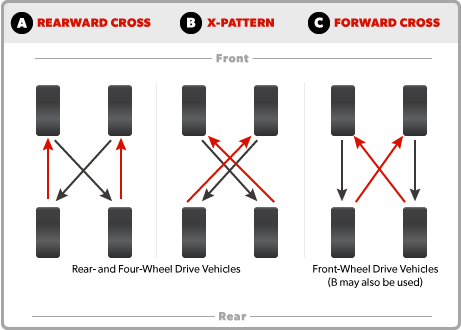
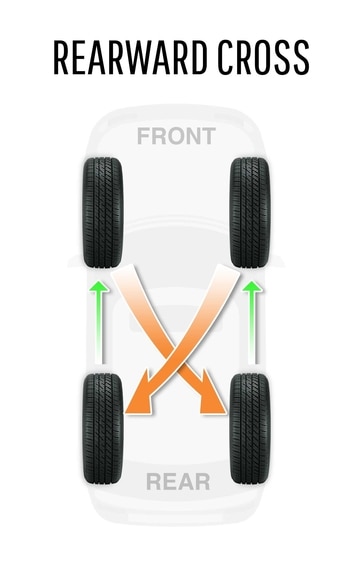
Check your car’s manual for the correct tire rotation pattern. This is important. For front-wheel-drive cars, move the front tires to the back. Then, switch the back tires to the front, but swap sides. For rear-wheel-drive, move the rear tires to the front, and front tires to the rear, keeping the same sides. Secure the tires with lug nuts. Lower the car and tighten the nuts properly.
Reattaching The Tires
Reattach the tires by aligning them with the wheel bolts. Tighten the lug nuts in a star pattern. Ensure each nut is secure.
Aligning The Tires
Place the tire on the wheel hub. Make sure the holes line up. Push the tire gently until it fits snugly. Check if it is straight and aligned. This helps with smooth driving. Always ensure the tire sits well on the hub.
Tightening The Lug Nuts
Start by hand-tightening the lug nuts. Turn them clockwise. Use a wrench to tighten each nut in a star pattern. This keeps the tire balanced. Do not over-tighten yet. Lower the car slightly so the tire touches the ground. Now, fully tighten the lug nuts. Make sure they are secure. Double-check each one for safety.
Lowering The Car
Lowering the car is crucial after rotating the tires. Ensure the jack is securely placed before doing so.
Removing Jack Stands
First, make sure the area is clear. No tools or objects should be under the car. Turn the jack handle slowly to lower the car. Do this carefully to avoid sudden drops.
Lowering The Vehicle
Once the car is on the ground, remove the jack. Tighten all the lug nuts with a wrench. Check each nut to ensure they are secure. This prevents the wheels from coming loose. Finally, store the jack and tools safely.

Credit: www.discountramps.com
Final Steps
Always check the tire pressure after rotating the tires. Use a tire pressure gauge. Ensure each tire has the correct pressure. This helps in maintaining even wear. It also ensures a smooth ride. Consult your car’s manual for the correct pressure values.
After checking the tire pressure, take your car for a test drive. This helps confirm that the tires are balanced. Listen for any unusual sounds. Pay attention to how the car handles. If the car pulls to one side, recheck the tire pressure. Make sure all lug nuts are tight. This ensures safety and proper performance.
Frequently Asked Questions
What Is The Correct Way To Rotate Tires?
The correct way to rotate tires involves moving them from front to back and vice versa. For front-wheel drive, swap front tires straight back and crisscross rear tires to the front. For rear-wheel drive, swap rear tires straight forward and crisscross front tires to the back.
Rotate every 5,000-7,500 miles.
Which Tire Rotation Pattern Is Best?
The best tire rotation pattern depends on your vehicle’s drivetrain. For front-wheel drive, use the forward cross pattern. For rear-wheel drive, use the rearward cross pattern. For all-wheel drive, use the X-pattern. Always refer to your vehicle’s manual for specific recommendations.
How To Determine Tire Rotation Direction?
Check the tire sidewall for directional arrows or “Rotation” markings. These indicate the correct rotation direction.
How Do You Rotate A Car?
Turn the steering wheel in the direction you want to rotate. Apply brakes gently and adjust speed as needed.
Conclusion
Rotating your car tires is essential for even wear and safety. Regular rotation extends tire life and ensures better handling. Doing this yourself saves money and is quite simple. Follow the steps outlined, and your car will thank you. Always check your tire pressure and alignment afterward.
Happy driving!