

Rotating tires on a car is essential for even wear. It improves performance and extends tire life.
Regular tire rotation helps maintain traction and balance. It can prevent uneven tread wear, which leads to better driving safety. This guide will teach you the steps to rotate your car tires easily. Whether you are a beginner or have some experience, this process is simple to follow.
With the right tools and a bit of time, you can ensure your tires last longer and your ride stays smooth. Let’s dive into the details and keep your car running at its best.
Credit: www.tirerack.com
Why Rotate Your Tires
Tire rotation helps to extend the life of your tires. It ensures even wear on all tires. This can save money in the long run. Even wear improves handling. It also provides better traction. This is important for safety. Regular rotation can improve fuel efficiency. It reduces stress on your vehicle.
Rotate your tires every 5,000 to 7,000 miles. Check your owner’s manual for the best schedule. Tires wear differently based on their position. Front tires wear out faster. They handle most of the braking and steering. Rear tires wear more slowly. Regular rotation balances this out. Always follow the recommended pattern for your vehicle.

Credit: www.discountramps.com
Tools And Materials Needed
Jack. You need this to lift the car. A lug wrench. It helps to remove and tighten the lug nuts. Jack stands. They keep the car safe while you work. Gloves. These protect your hands. A torque wrench. This ensures you tighten the nuts properly.
A tire pressure gauge. It checks the tire pressure. Wheel chocks. These prevent the car from rolling. A creeper. It helps you slide under the car easily. Anti-seize lubricant. This helps when removing the lug nuts. A tire rotation chart. It guides you on the correct tire pattern.
Preparing Your Vehicle
Park your car on a flat surface. Engage the parking brake. This prevents the car from moving. Place wheel chocks behind the rear tires. These blocks keep the car still. Wear safety gloves. They protect your hands. Use safety glasses. Protect your eyes from dust and debris. Ensure the car is turned off. Never work on a running vehicle.
Locate the jack points on your car. Check the owner’s manual for details. Use a car jack to lift the vehicle. Lift one side at a time. Place the jack stands under the car. Lower the car onto the stands. Ensure the car is stable. Shake the car gently. It should not move. Remove the hubcaps. Use a wrench to loosen the lug nuts. Do not remove them yet.
Lifting The Car
First, ensure the car is on a flat surface. Engage the parking brake. Place the jack under the car’s lift point. Lift the car slowly. Make sure it is stable before proceeding.
Position the jack stands under the car. Place them near the jack points. Lower the car onto the stands. Check that the stands are secure. Never work under a car without jack stands.
Removing The Tires
Use a lug wrench to loosen each lug nut. Turn counterclockwise. Do this before lifting the car. This step prevents the wheels from spinning. Loosen the nuts just a little. Do not remove them yet. Safety is key.
Raise the car with a jack. Follow the car manual for jack points. Ensure the car is stable. Use jack stands for extra safety. Now, remove the loosened lug nuts. Place them in a safe spot. Carefully pull the wheel off the hub. Repeat for all wheels. Keep each wheel organized for rotation.
Rotating The Tires
Rotating tires helps them wear evenly. Start by lifting the car and switching front tires with back ones. This simple task can extend tire life.
Front-wheel Drive
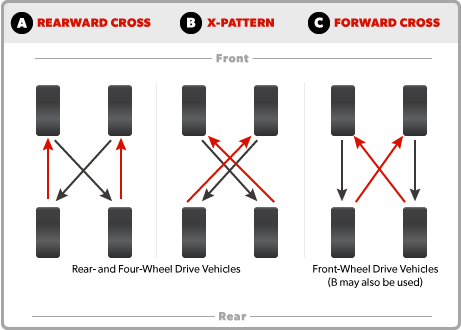
For front-wheel drive cars, move the front tires to the rear. Cross the rear tires to the front. This pattern helps even out tire wear.
Rear-wheel Drive
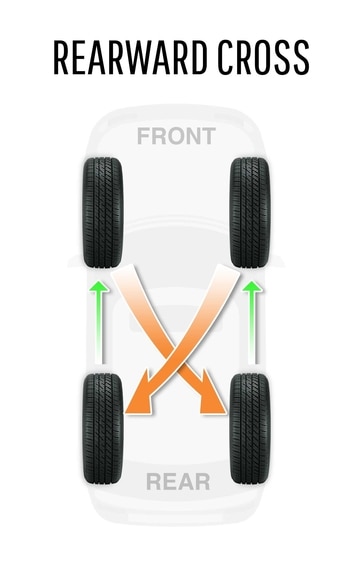
For rear-wheel drive cars, move the rear tires to the front. Cross the front tires to the rear. This method ensures balanced tire wear.
All-wheel Drive
For all-wheel drive cars, use a crisscross pattern. Swap the front left tire with the rear right tire. Swap the front right tire with the rear left tire. This pattern keeps the wear even across all tires.
Reattaching The Tires
Place the tire back on the wheel hub. Start threading the lug nuts by hand. Make sure they are snug. Use a wrench to tighten each lug nut. Tighten in a star pattern. This ensures even pressure on the tire. Do not over-tighten at this stage.
Use the jack to lower the car slightly. The tire should touch the ground but not fully support the car’s weight. Now, fully tighten the lug nuts with the wrench. Lower the car completely. Remove the jack. Double-check the lug nuts. Make sure they are tight and secure.
Credit: www.bridgestonetire.com
Final Checks
Always check the torque specifications for your car’s lug nuts. This ensures the tires are securely fastened. Most vehicles have specific torque requirements. Over-tightening can damage the lug nuts. Under-tightening can cause the wheels to come loose. Use a torque wrench for the best results. Check the owner’s manual for the exact numbers. Proper torque keeps you safe on the road.
Once the tires are rotated, take a test drive. This ensures everything is in order. Listen for any unusual noises. Pay attention to the steering. The car should drive smoothly. If something feels off, check the tires again. It’s better to be safe. This step confirms your work was done correctly.
Frequently Asked Questions
What Is The Correct Way To Rotate Tires?
Rotate tires by moving front tires to rear and rear tires to front. Ensure tire cross-pattern for best results.
Which Tire Rotation Pattern Is Best?
The best tire rotation pattern depends on your vehicle. For front-wheel drive, use the forward cross pattern. For rear-wheel drive, use the rearward cross pattern. For all-wheel drive, use the X-pattern. Always consult your vehicle’s manual for specific recommendations.
Does Tire Rotation Direction Matter?
Yes, tire rotation direction matters for certain tires. Directional tires must be rotated front to back, not side to side. This ensures optimal performance and safety. Always check your vehicle’s manual or consult a professional.
Is It Ok To Rotate Tires Yourself?
Yes, you can rotate tires yourself. Ensure you follow the manufacturer’s guidelines and use the proper tools. Regular tire rotation ensures even wear and extends tire life.
Conclusion
Rotating your car’s tires is important for safety and longevity. It helps the tires wear evenly, improving performance. Make sure to follow the pattern recommended by your car’s manufacturer. Always check tire pressure and alignment during rotation. This simple task can save you money on new tires.
Regular tire rotation ensures a smoother, safer ride. So, don’t skip it. Keep your car in top shape with this easy maintenance step. Your tires, and wallet, will thank you. Stay safe and enjoy the drive!