

The most silent air compressor typically operates at 60 dB or lower. These models minimize noise while delivering efficient performance.
Choosing a silent air compressor can significantly enhance your workspace comfort. Noise levels can disrupt focus and productivity, especially in home garages or workshops. Silent models offer the same power and efficiency as traditional compressors without the disruptive sounds. They are ideal for delicate tasks like painting or inflating items in quiet environments.
Many brands have developed innovative technology to reduce noise, ensuring you get the job done without the headache of loud machinery. Investing in a silent air compressor not only protects your hearing but also creates a more pleasant working atmosphere. Explore your options to find the right balance of power and quiet operation.
The Quest For Quiet: Why Silence Matters
Silence is more than just the absence of sound. It impacts our health, productivity, and overall well-being. Many people seek silent air compressors for a quieter environment. This quest for quietness is essential in various settings, from workshops to homes.
The Impact Of Noise On Health
Noise pollution can harm physical and mental health. Prolonged exposure to loud sounds may lead to:
- Hearing loss
- Increased stress
- Sleep disturbances
- Heart problems
Research shows that noise affects concentration. It disrupts tasks and lowers productivity. In noisy environments, workers may feel fatigued. Silent air compressors can help reduce these issues.
Silence In The Workshop: A Growing Trend
Quiet workshops are becoming popular. Many craftsmen prefer a serene workspace. This trend offers numerous benefits:
- Enhances focus on projects.
- Reduces stress levels.
- Improves communication.
- Creates a pleasant atmosphere.
Silent air compressors fit well in this trend. They operate quietly, allowing craftsmen to work comfortably. Many manufacturers now prioritize silence in their designs. This change leads to healthier work environments.
Decibels And Dynamics: Measuring Sound
Understanding sound levels is vital for choosing a silent air compressor. The sound of air compressors varies widely. Some are quiet, while others can be quite loud. Knowing how to measure sound helps you find the right option for your needs.
Understanding Decibel Levels
Decibels (dB) measure sound intensity. Lower dB levels indicate quieter sounds. Here’s a simple breakdown:
| Decibel Level | Description |
|---|---|
| 0-20 dB | Whispering or rustling leaves |
| 30-40 dB | Quiet library or soft music |
| 60-70 dB | Normal conversation or busy traffic |
| 80-90 dB | Heavy machinery or loud music |
Most silent air compressors operate between 60-70 dB. This level is suitable for home use.
Comparing Sound: Air Compressors Vs. Everyday Noises
Understanding how air compressor sounds compare to daily noises helps you grasp their impact. Here’s a quick comparison:
- Silent Air Compressor: 60 dB (like a normal conversation)
- Vacuum Cleaner: 70 dB (louder and more disruptive)
- Traffic Noise: 80 dB (can be very irritating)
- Jet Plane: 120 dB (extremely loud, causes discomfort)
Many silent air compressors aim to stay below 70 dB. This makes them perfect for indoor use.
Key Features Of Silent Air Compressors
Silent air compressors stand out for their unique features. They provide powerful performance without disturbing the peace. Key features enhance usability and efficiency.
Innovative Design Elements
Silent air compressors have several innovative design elements. These features contribute to reduced noise levels and improved performance. Key design elements include:
- Enclosed Systems: These compressors have a soundproof casing. It minimizes noise during operation.
- Low RPM Motors: Low-speed motors reduce vibrations. This results in quieter functioning.
- Compact Size: Smaller units fit easily into tight spaces. They are perfect for home or office use.
Materials That Reduce Noise
The materials used in silent air compressors play a vital role in noise reduction. High-quality components absorb sound effectively. Important materials include:
| Material | Benefit |
|---|---|
| Rubber Isolation Pads | Minimize vibrations and noise transmission |
| Soundproof Foam | Absorbs sound waves and reduces echo |
| Heavy-Duty Housing | Reduces overall noise output |
These materials work together for a quieter experience. Silent air compressors are ideal for sensitive environments.
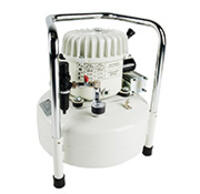
Credit: www.werther.com
Top Contenders For The Most Silent Air Compressor
Finding the most silent air compressor can make a big difference. Noise levels matter in workshops and homes. Here are two top contenders that stand out.
Brand A: The Industry Leader
Brand A sets the benchmark for silent air compressors. It combines power and quiet operation. Users love its reliability and performance.
- Noise Level: Only 60 dB, perfect for indoor use.
- Motor Type: Oil-free motor ensures low maintenance.
- Tank Size: 6 gallons, great for various tasks.
- Weight: Lightweight design for easy mobility.
This brand provides a solid warranty. Customer support is top-notch. It’s a favorite among professionals and hobbyists alike.
Brand B: The Budget-friendly Option
Brand B offers a great balance of price and quality. It’s perfect for those on a budget. This compressor is user-friendly and efficient.
| Features | Details |
|---|---|
| Noise Level | 65 dB |
| Motor Type | Oil-lubricated for smoother operation |
| Tank Size | 3 gallons |
| Weight | Portable and easy to carry |
Brand B also has a solid reputation. It’s ideal for home use or small projects. Many users appreciate its quiet operation.
Technical Specifications That Influence Noise Levels
Understanding technical specifications helps find the most silent air compressor. Key factors include motor types, PSI ratings, and tank sizes. Each element impacts noise levels significantly.
Motor Types And Sound Emission
Motor type plays a crucial role in noise levels. Different motors produce varying sound emissions. Here’s a quick overview:
| Motor Type | Noise Level (dB) |
|---|---|
| Oil-Free | 60-70 dB |
| Oil-Lubricated | 50-65 dB |
| Direct Drive | 70-80 dB |
| Belt Drive | 60-75 dB |
Oil-lubricated motors generally produce less noise. They run smoother and quieter. Oil-free motors are easier to maintain but may be louder.
The Role Of Psi And Tank Size
PSI (pounds per square inch) affects compressor performance. Higher PSI often leads to more noise. Tank size also matters. Larger tanks can provide:
- More air storage
- Lower frequency operation
- Reduced cycling noise
Smaller tanks may cycle more frequently. This increases noise levels. Ideally, choose a larger tank for quieter operation.
Consider these specifications carefully. They impact how much noise your air compressor will make.

Credit: www.amazon.com
Installation Tips For Reducing Noise
Installing a silent air compressor involves smart strategies. Proper placement and accessories help minimize noise. Follow these tips for a quieter work environment.
Strategic Placement In Work Areas
Placement of your air compressor greatly affects noise levels. Consider these tips:
- Distance: Keep the compressor away from workspaces.
- Room Size: Choose larger areas to absorb sound.
- Insulation: Place the compressor in an insulated room.
- Surface: Avoid hard surfaces that reflect sound.
Use a soundproof enclosure if possible. This will further reduce noise levels.
Using Anti-vibration Accessories
Vibration creates noise. Use these accessories to minimize vibrations:
- Rubber Feet: Place rubber feet under the compressor.
- Isolation Pads: Use pads to absorb vibrations.
- Anti-Vibration Mounts: Install mounts for better stability.
These accessories help keep the compressor steady. A stable compressor produces less noise.
Maintenance Practices For A Quiet Compressor
Keeping your air compressor quiet requires regular maintenance. Following simple practices can reduce noise levels. This helps extend the lifespan of your compressor too.
Routine Check-ups To Prevent Noise Increase
Performing routine check-ups is vital for a quiet compressor. Here are some key practices:
- Inspect the oil level: Low oil can increase noise.
- Check for leaks: Air leaks can cause extra noise.
- Clean filters: Dirty filters restrict airflow.
- Tighten loose parts: Loose bolts or screws can rattle.
Schedule these check-ups:
| Maintenance Task | Frequency |
|---|---|
| Inspect oil level | Every month |
| Check for leaks | Every month |
| Clean filters | Every three months |
| Tighten loose parts | Every six months |
Replacing Parts: Keeping It Silent
Replacing worn-out parts ensures your compressor runs quietly. Focus on these components:
- Pistons: Replace if damaged or worn.
- Valves: Check for leaks and replace as needed.
- Gaskets: Worn gaskets can cause noise.
- Bearings: Replace if you notice grinding sounds.
Use quality parts for replacements. This enhances performance. It also minimizes noise levels.

Credit: eatoncompressor.com
Silent Air Compressor In Action: User Experiences
Many users have switched to silent air compressors. Their experiences highlight the benefits and effectiveness of these machines. Let’s explore some real-life case studies and consumer reviews.
Case Studies: Professionals Who Made The Switch
Several professionals have adopted silent air compressors. Their feedback showcases the advantages of quieter operations.
| Profession | Previous Compressor | New Silent Compressor | Benefits Experienced |
|---|---|---|---|
| Photographer | Standard Air Compressor | Silent Series 2000 |
|
| Woodworker | Conventional Air Compressor | WhisperTech 300 |
|
| Auto Mechanic | Noisy Air Compressor | QuietDrive 150 |
|
Consumer Reviews And Testimonials
Consumers have shared their thoughts on silent air compressors. Their testimonials reveal satisfaction and positive experiences.
- John D.: “The silent compressor changed my workshop. It’s peaceful now!”
- Lisa K.: “I can work on my art without distractions. Love it!”
- Sam P.: “My clients notice the difference. They feel more relaxed.”
- Emma R.: “I sleep better knowing my compressor won’t wake me up.”
Many users appreciate the energy efficiency and compact design of these compressors. They fit easily in small spaces while delivering excellent performance.
Future Of Silence: Innovations In Air Compressor Technology
The air compressor industry is evolving. Manufacturers focus on creating quieter models. These innovations aim to enhance user experience and reduce noise pollution.
Silent air compressors are now more efficient. Advanced designs and materials are key drivers in this change. This section explores emerging trends and anticipates the next generation of quiet air compressors.
Emerging Trends In Silent Machinery
New technologies are transforming how air compressors operate. Key trends include:
- Soundproofing Technology: Enhanced insulation reduces noise levels.
- Variable Speed Drives: Adjust motor speed for quieter operation.
- Advanced Materials: Lightweight materials decrease vibrations.
- Smart Sensors: Monitor performance and minimize noise automatically.
These innovations help create a more peaceful working environment. Users benefit from less distraction and improved focus.
Anticipating The Next Generation Of Quiet Air Compressors
The next generation of quiet air compressors promises exciting features:
- Ultra-Quiet Designs: Expect models operating under 50 dB.
- Energy Efficiency: New compressors will consume less power.
- Smart Connectivity: Remote monitoring and control via apps.
- Sustainability: Eco-friendly materials and processes will be prioritized.
These advancements will make air compressors more user-friendly. The future looks bright for quiet machinery.
Frequently Asked Questions
What Is The Quietest Air Compressor Available?
The quietest air compressor on the market typically operates at around 60 decibels. Brands like California Air Tools produce models renowned for their low noise levels. These compressors are perfect for indoor use or residential areas where noise is a concern.
How Do Silent Air Compressors Work?
Silent air compressors utilize a unique design, often featuring a low RPM motor. This design minimizes noise output while still delivering effective performance. The use of sound-dampening materials further reduces operational noise, making them ideal for sensitive environments.
Are Silent Air Compressors More Expensive?
Silent air compressors may have a higher upfront cost compared to traditional models. However, their energy efficiency and noise reduction features can lead to long-term savings. Investing in a quiet compressor often pays off through reduced energy bills and greater comfort.
Where Can I Use A Silent Air Compressor?
You can use a silent air compressor in various settings, including workshops, garages, and home improvement projects. Their low noise levels make them suitable for residential areas. They are also ideal for tasks requiring focus, like painting or inflating tires.
Conclusion
Choosing the right silent air compressor can greatly enhance your work environment. It reduces noise while maintaining efficiency. Whether for home or professional use, a quiet model offers peace of mind. Prioritize features that meet your specific needs. Invest wisely, and enjoy a quieter, more productive space with the perfect air compressor.