

Replacing an air conditioner compressor involves several steps. It typically requires disconnecting power, removing the old compressor, and installing a new one.
Air conditioner compressors are vital for efficient cooling. They compress refrigerant, allowing it to circulate through the system. Over time, wear and tear can lead to compressor failure, impacting your home’s comfort and energy efficiency. Recognizing the signs of a failing compressor is crucial, as delays can result in costly repairs or replacements.
Understanding the replacement process can save you time and money. Always consult a professional if you’re unsure about any steps. Proper installation ensures your air conditioning system runs smoothly, providing you with the cool air you need during hot months. Investing in a quality compressor also enhances your system’s longevity.
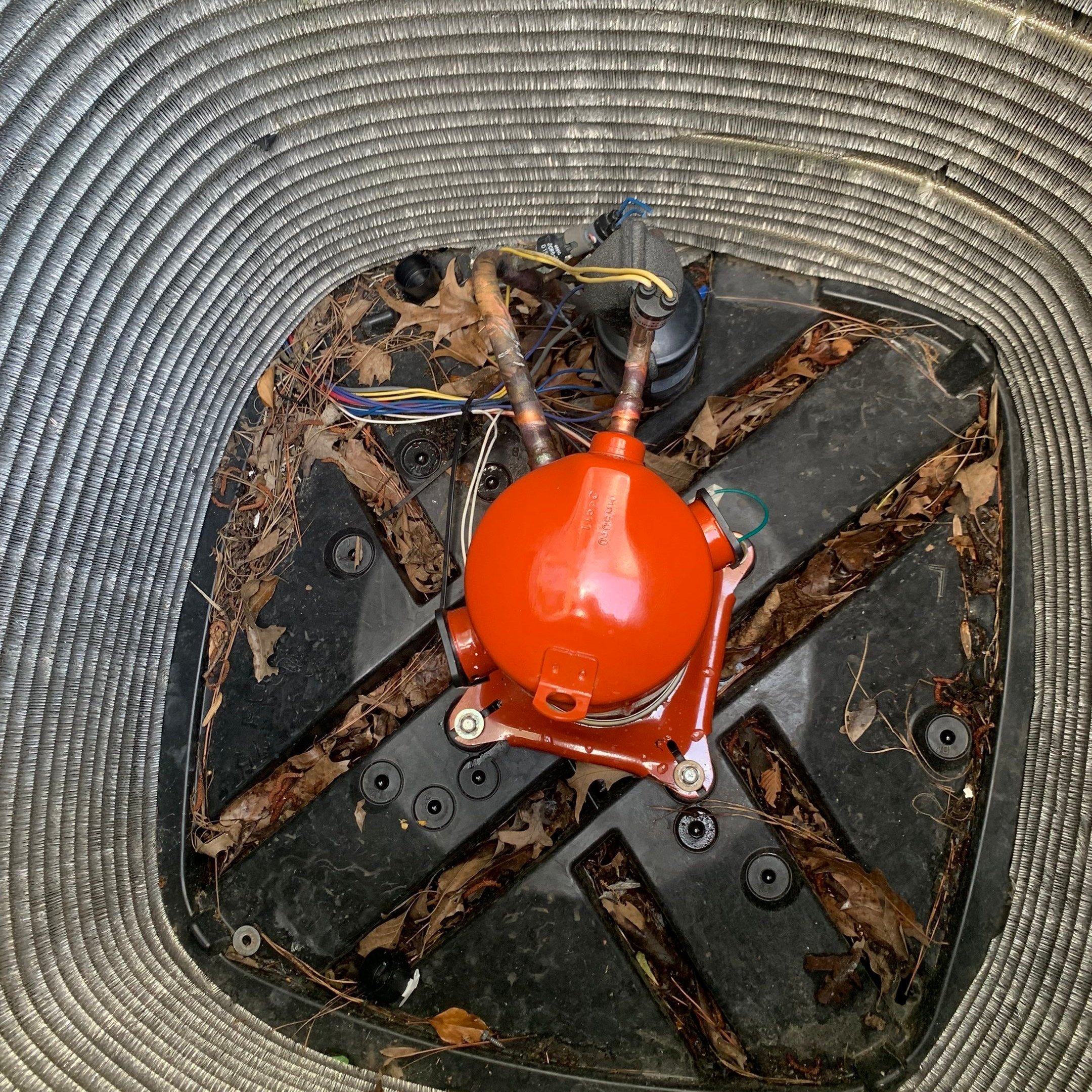
Credit: www.bluewaterclimatecontrol.com
Signs Your Ac Compressor Is On The Frit
Your air conditioner compressor plays a vital role. It helps cool your home efficiently. Recognizing the signs of a failing compressor can save you time and money. Here are key indicators that your AC compressor may be on the fritz.
Strange Noises During Operation
Listen closely to your air conditioner. Unusual sounds can signal trouble. Common noises include:
- Grinding – Indicates worn-out parts.
- Banging – Suggests loose components.
- Squealing – May show belt issues.
- Clicking – Could mean electrical problems.
Any of these sounds should prompt an inspection. Ignoring them can lead to severe damage.
System Blowing Warm Air
One major sign is warm air blowing from vents. A functioning AC should deliver cool air. Warm air indicates:
- Low refrigerant levels
- A broken compressor
- Blocked ducts
Check the thermostat setting. Ensure it’s set to cool. If the problem persists, consult an expert.
Increased Energy Bills
Have you noticed a spike in your energy bills? A failing compressor can cause this. It works harder to cool your space. Check for these signs:
| Indicator | Possible Cause |
|---|---|
| Higher monthly bills | Compressor inefficiency |
| Frequent cycling on and off | Overworking compressor |
| Longer cooling cycles | Strained compressor |
Monitor your bills closely. A significant increase can indicate compressor issues.
Assessing Compressor Health
Understanding the health of your air conditioner compressor is vital. A well-functioning compressor ensures your home stays cool. Neglect can lead to expensive repairs or replacements. Regular assessments help prevent issues and extend the lifespan of your system.
Visual Inspections
Start with simple visual checks. Look for these signs:
- Leaks: Check for oil or refrigerant leaks.
- Corrosion: Inspect for rust or deterioration.
- Physical Damage: Look for dents or cracks.
Use the following table for a quick reference on what to look for:
| Sign | What It Means |
|---|---|
| Leaks | Potential refrigerant loss, needs immediate attention. |
| Corrosion | Can lead to system failure over time. |
| Physical Damage | May affect compressor performance. |
Professional Diagnosis
Hire a qualified technician for a thorough examination. They can perform advanced tests, including:
- Electrical tests to check voltage and current.
- Pressure tests to assess refrigerant levels.
- Temperature checks to monitor system efficiency.
A professional diagnosis provides a detailed health report. It identifies minor issues before they escalate. Investing in professional help can save you money in the long run.
The Role Of The Compressor In Your Ac System
The compressor is a key part of your air conditioning system. It is often called the heart of the AC. Without it, your unit cannot work effectively. Understanding its functions helps you appreciate its importance.
Circulating Refrigerant
The compressor’s main job is to circulate refrigerant. Refrigerant is a special fluid that absorbs and releases heat. Here’s how it works:
- The compressor takes in low-pressure refrigerant gas.
- It compresses this gas, turning it into high-pressure gas.
- This high-pressure gas then flows to the condenser.
- In the condenser, it cools down and changes to liquid.
- The liquid refrigerant then returns to the compressor.
This cycle repeats. The compressor ensures the refrigerant moves smoothly through the system. Proper circulation leads to effective cooling.
Maintaining Pressure Balance
The compressor also maintains pressure balance in the AC system. It helps manage both high and low pressure sides. Here are its key roles:
| Pressure Type | Role of Compressor |
|---|---|
| High Pressure | Moves refrigerant to the condenser |
| Low Pressure | Draws refrigerant from the evaporator |
Maintaining pressure balance helps prevent system damage. It ensures your AC runs smoothly and efficiently. A well-functioning compressor contributes to long-lasting comfort.
Choosing The Right Replacement Compressor
Replacing your air conditioner’s compressor is crucial for efficiency. A proper replacement ensures your unit runs smoothly. Choosing the right compressor can save energy and costs.
Compatibility With Your Ac Model
Check if the replacement compressor fits your specific AC model. Each model has unique specifications. Here are steps to ensure compatibility:
- Locate the model number on your AC unit.
- Consult the owner’s manual for specifications.
- Contact a local HVAC technician for advice.
Ensure the new compressor matches:
- Size
- Type (e.g., scroll, reciprocating)
- Refrigerant compatibility
Considering Efficiency Ratings
Efficiency ratings indicate how well a compressor operates. Look for the following ratings:
| Rating | Description |
|---|---|
| SEER | Seasonal Energy Efficiency Ratio |
| EER | Energy Efficiency Ratio |
| HSPF | Heating Seasonal Performance Factor |
Higher ratings mean better efficiency. This leads to lower energy bills. Always compare ratings before purchasing a new compressor.
Tools And Materials Needed For Compressor Replacement
Replacing an air conditioner compressor requires the right tools and materials. Having these items ready makes the job easier and safer. Below is a detailed list of what you need.
Essential Tools For The Job
- Wrench Set: Use for removing bolts and nuts.
- Screwdriver Set: Essential for different types of screws.
- Refrigerant Gauge: Helps check refrigerant levels.
- Pipe Wrench: Useful for working with pipes.
- Multimeter: Checks electrical connections.
- Vacuum Pump: Removes air and moisture from the system.
- Torque Wrench: Ensures proper tightness on bolts.
- Flashlight: Illuminates dark areas.
Safety Equipment
Safety should be a priority during compressor replacement. Here are essential safety items:
- Safety Goggles: Protects your eyes from debris.
- Gloves: Keeps your hands safe from cuts and chemicals.
- Face Mask: Prevents inhalation of harmful fumes.
- Ear Protection: Shields against loud noises from tools.
Material Checklist
Gather these materials before starting:
| Material | Description |
|---|---|
| New Compressor | Must match your AC unit’s specifications. |
| Refrigerant | Required for recharging the system. |
| O-Rings | Seals connections to prevent leaks. |
| Compressor Oil | Needed for proper lubrication. |
With these tools and materials, the compressor replacement process becomes smoother. Ensure you have everything ready before starting the job.
Step-by-step Guide To Replacing Your Ac Compressor
Replacing your AC compressor can seem daunting. This guide simplifies the process. Follow these steps to ensure a smooth replacement. You’ll save money and time by doing it yourself.
Removing The Old Compressor
Start by gathering your tools:
- Wrench set
- Screwdriver set
- Refrigerant recovery machine
- Safety goggles
- Gloves
- Turn off the power to your AC unit. Safety first!
- Use the refrigerant recovery machine. Recover all refrigerant.
- Locate the compressor. It’s usually found on the outdoor unit.
- Disconnect the electrical wires. Label them for easy reconnection.
- Remove the bolts holding the compressor. Use the wrench.
- Carefully lift out the old compressor. Place it aside.
Installing The New Compressor
Now, it’s time to install the new compressor. Follow these steps:
- Position the new compressor in the same spot.
- Secure it with the bolts. Tighten them well.
- Reconnect the electrical wires. Use the labels for guidance.
- Attach the refrigerant lines. Ensure they are tight and leak-free.
- Charge the system with refrigerant. Follow manufacturer instructions.
- Turn on the power to the AC unit. Test for proper operation.
Follow these steps carefully. You’ll successfully replace your AC compressor.
Safety Precautions During Compressor Replacement
Replacing an air conditioner compressor can be risky. Following safety precautions ensures a safe and efficient process. Proper care protects you and your equipment.
Dealing With Refrigerants
Refrigerants are essential in air conditioning systems. They can be harmful if handled incorrectly. Here are some important tips:
- Wear gloves and safety goggles.
- Use tools designed for refrigerants.
- Check for leaks before starting.
- Follow local regulations for refrigerant disposal.
Understanding refrigerants helps prevent accidents. Always work in a well-ventilated area.
Electrical Safety Measures
Electrical components pose serious hazards. Ensure your safety by following these steps:
- Turn off all power sources.
- Use insulated tools.
- Check voltage with a multimeter.
- Keep water away from electrical parts.
Never work on live wires. This can cause severe injuries.
Stay focused and avoid distractions. Safety is crucial during this process.
Credit: lasvegasair.net
Post-installation: Testing The New Compressor
Testing your new air conditioner compressor is crucial. This step ensures everything works correctly. Follow these simple checks to confirm proper installation and function.
Checking For Leaks
After installation, inspect for any leaks. Leaks can cause system failures and higher energy costs. Here’s how to check:
- Use a soap solution on the connection points.
- Look for bubbles forming. Bubbles indicate a leak.
- Inspect the refrigerant lines closely.
Record any findings. If leaks appear, tighten connections or replace faulty parts.
Performance Evaluation
Next, evaluate the compressor’s performance. This step ensures efficient cooling. Follow these steps for a thorough evaluation:
- Set the thermostat to a low temperature.
- Listen for any unusual noises.
- Check airflow from vents.
- Measure the temperature difference between intake and output.
Use this simple table for reference:
| Parameter | Expected Result | Action if Not Met |
|---|---|---|
| Noises | Quiet operation | Inspect for issues |
| Airflow | Strong and steady | Check filters and ducts |
| Temperature Difference | At least 15°F | Check refrigerant levels |
Monitor the system for a few days. Look for any irregularities. Regular checks help maintain efficiency.
Maintenance Tips To Extend The Life Of Your New Compressor
Taking care of your air conditioner compressor is crucial. Proper maintenance helps it run smoothly and lasts longer. Follow these tips to protect your investment.
Regular Cleaning Routines
Cleaning your air conditioner compressor keeps it efficient. Dust and debris can harm its performance. Follow these cleaning steps:
- Turn Off Power: Always turn off the power before cleaning.
- Remove Debris: Clear leaves and dirt from around the unit.
- Clean Fins: Use a soft brush to clean the fins gently.
- Check Filters: Replace or clean air filters monthly.
- Inspect Ducts: Ensure ducts are clean and free from blockages.
Regular cleaning prevents overheating. It enhances airflow and efficiency. A clean compressor uses less energy.
Seasonal Inspections
Seasonal inspections are vital for your compressor’s health. Schedule these checks before summer and winter:
| Task | Frequency |
|---|---|
| Check refrigerant levels | Annually |
| Inspect electrical connections | Annually |
| Test the thermostat | Annually |
| Lubricate moving parts | Annually |
| Look for corrosion | Annually |
These checks help spot issues early. Fixing problems quickly prevents expensive repairs. Keep your compressor running efficiently.
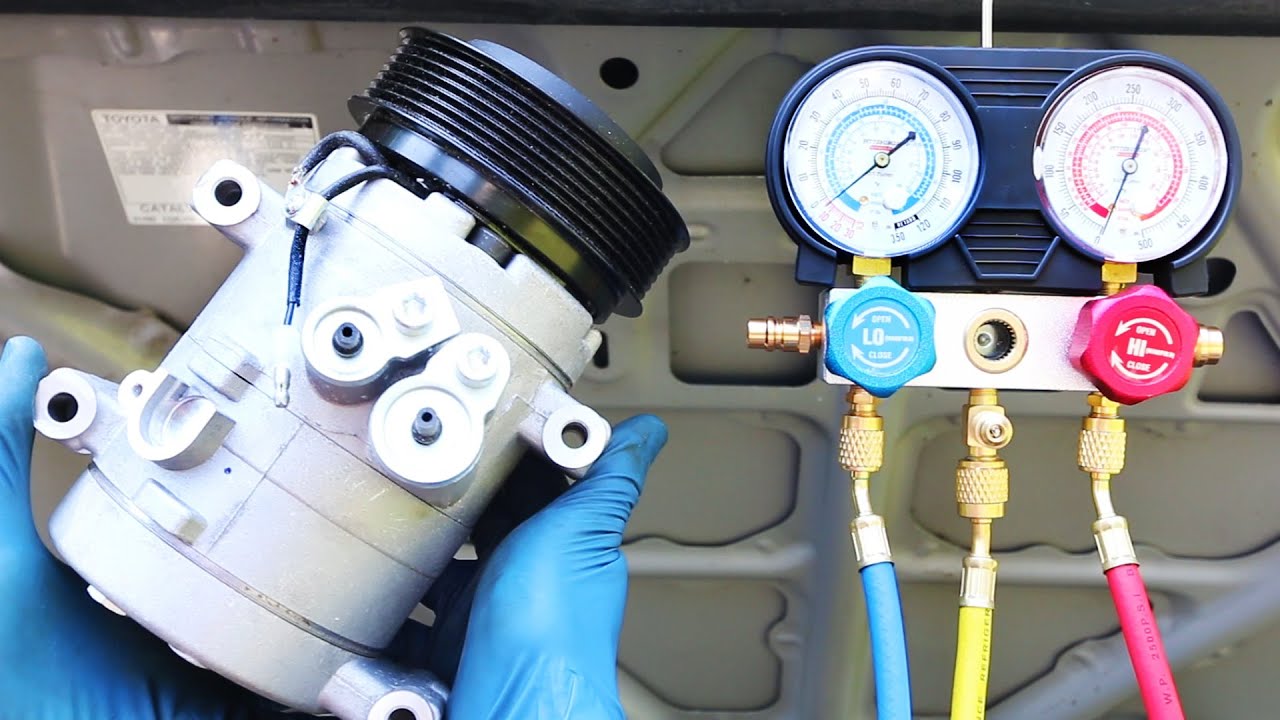
Credit: m.youtube.com
Hiring Professionals Vs. Diy: Making The Best Choice
Deciding whether to hire a professional or tackle a DIY project can be tough. Replacing an air conditioner compressor involves specific skills. Understanding the pros and cons of each option helps in making the right choice. Let’s explore when to call for help and what resources are available for DIY enthusiasts.
When To Call The Experts
Some situations require professional help. Here are key signs:
- Lack of Experience: If you haven’t worked with HVAC systems before, hire a pro.
- Complex Issues: Complicated problems need expert knowledge.
- Warranty Concerns: DIY repairs might void your warranty.
- Time Constraints: Professionals can complete the job faster.
- Safety Risks: Refrigerants and electrical components can be dangerous.
Resources For Diy Enthusiasts
For those who want to try DIY, various resources can help. Consider these options:
| Resource Type | Description |
|---|---|
| Online Tutorials | Step-by-step videos explaining the process. |
| DIY Manuals | Detailed guides available for specific models. |
| Local Workshops | Classes to improve skills and knowledge. |
| Community Forums | Ask questions and share experiences with others. |
Before starting, gather all necessary tools. Make a checklist of parts needed for replacement. This ensures a smoother process.
Frequently Asked Questions
How Do I Know If My Compressor Needs Replacement?
Signs that your compressor needs replacement include unusual noises, insufficient cooling, and frequent cycling. If your energy bills have increased significantly, that’s another red flag. A professional inspection can provide a definitive diagnosis to confirm the compressor’s condition.
What Are The Costs To Replace An Ac Compressor?
The cost to replace an AC compressor can vary widely. Typically, you might spend between $1,200 and $2,500, depending on your unit and labor costs. Additional expenses may arise if other components need repairs. Always get multiple quotes to ensure you’re getting a fair price.
Can I Replace My Ac Compressor Myself?
While it’s possible to replace your AC compressor yourself, it’s not recommended. This task requires specific skills and tools. Incorrect installation can lead to further damage and void warranties. Hiring a professional ensures the job is done correctly and safely.
How Long Does It Take To Replace An Ac Compressor?
Replacing an AC compressor typically takes about 4 to 8 hours. The exact time may depend on the complexity of your system and the technician’s experience. Ensure the technician provides a timeline before starting the work to set appropriate expectations.
Conclusion
Replacing an air conditioner compressor can seem daunting. Yet, with the right knowledge and tools, it becomes manageable. Prioritize regular maintenance to extend your system’s life. Always consult professionals if you’re unsure. A well-functioning compressor ensures comfort and efficiency in your home.
Invest wisely for long-term benefits.