

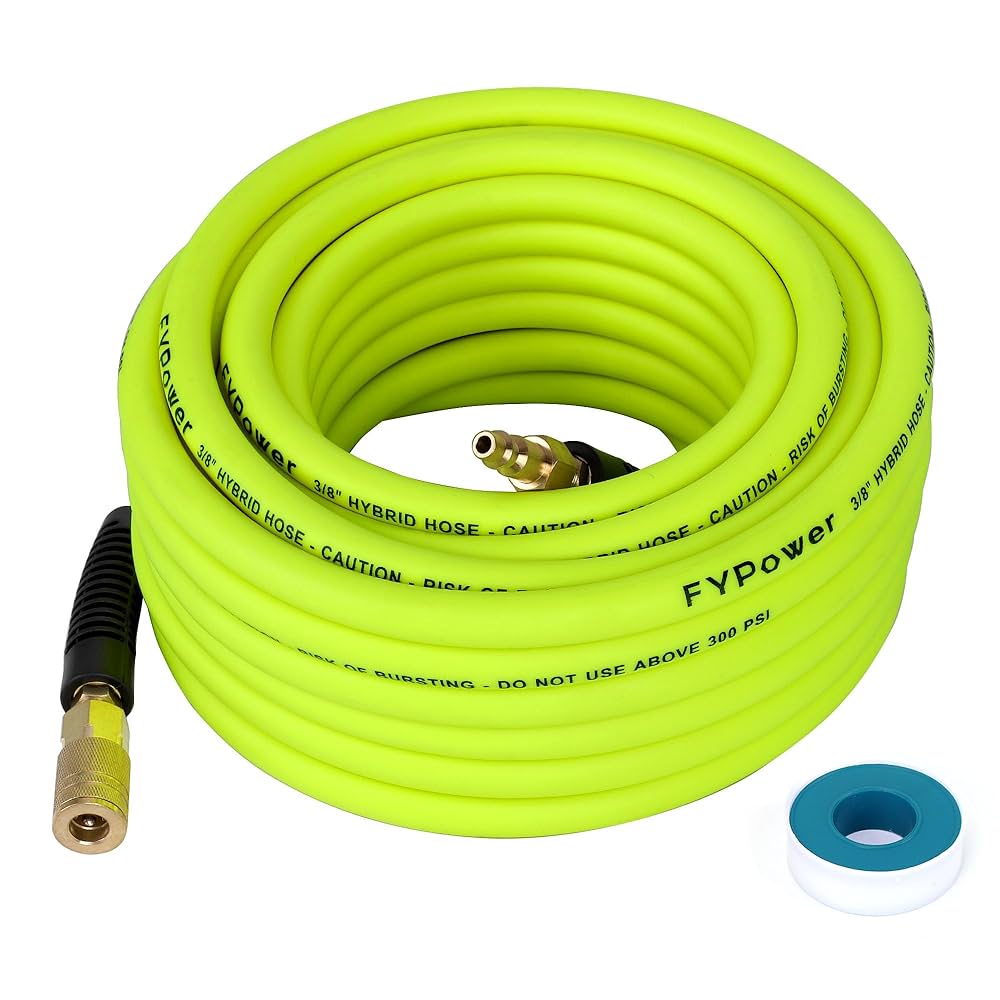
If you use an air compressor, you know how important the right hose is. The 3/8 air compressor hose is a popular choice for many because it balances power and flexibility perfectly.
But how do you pick the best one for your needs? And what makes a 3/8 hose stand out from the rest? Keep reading, and you’ll discover everything you need to make the right choice and get the most from your air tools.
Your projects will thank you.
Credit: www.amazon.com
Choosing The Right 3/8 Air Compressor Hose
Choosing the right 3/8 air compressor hose affects your work quality and safety. The hose must fit your tools and compressor well. It should last long and handle pressure without leaks or breaks. Knowing what to check helps you pick the best hose for your needs.
Material Types And Benefits
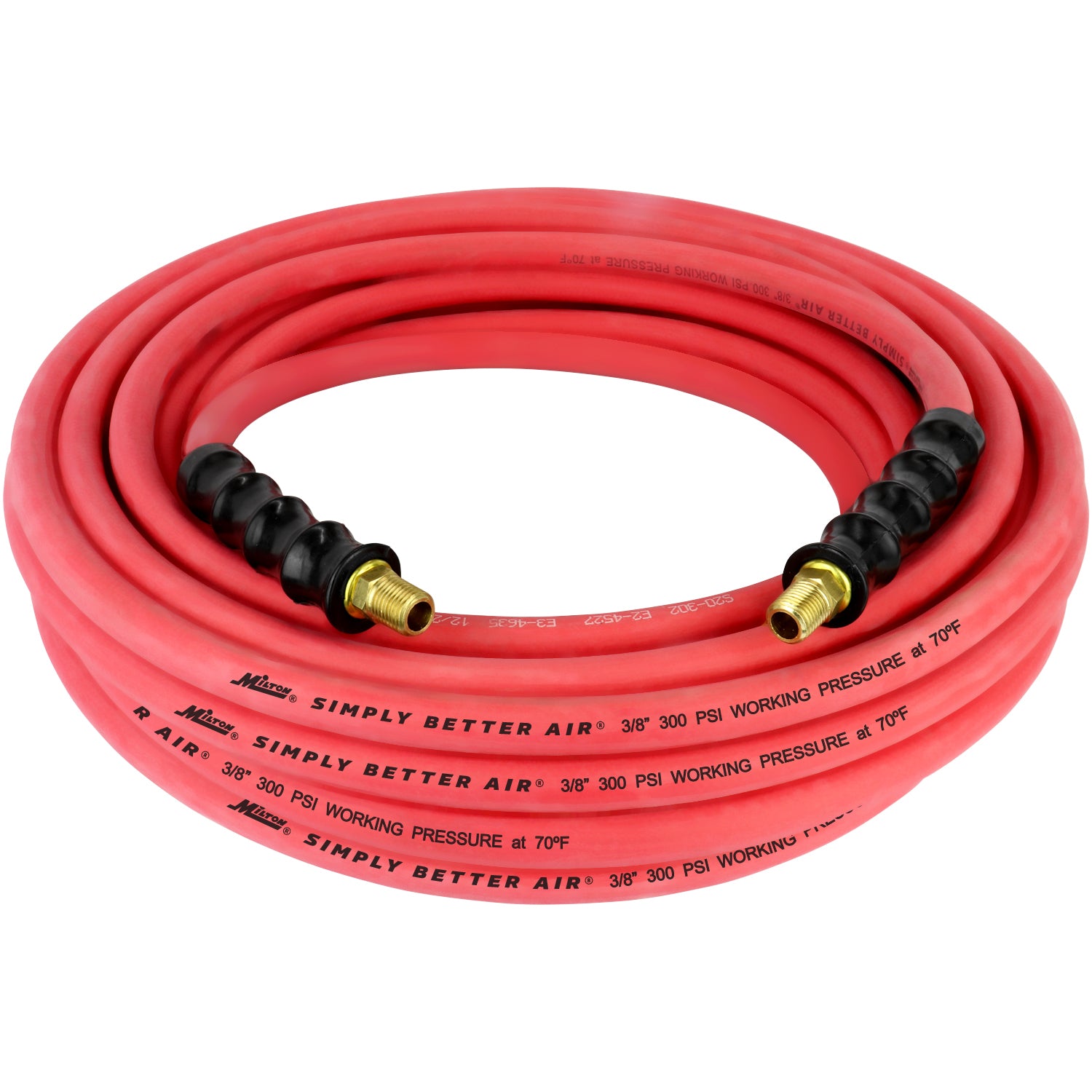
Common hose materials include rubber, PVC, and polyurethane. Rubber hoses are strong and flexible. They resist heat and rough use well. PVC hoses are light and less costly. They work well indoors but can crack in cold weather. Polyurethane hoses are very flexible and resist kinks. They last long and handle tough jobs easily.
Length And Diameter Considerations
Length matters for reach and air loss. Shorter hoses deliver more air pressure. Longer hoses let you move around more. A 3/8-inch diameter is standard for many tools. It balances good airflow with easy handling. Choose the right length and diameter for your work space and tool needs.
Compatibility With Tools And Compressors
Check your tool’s air inlet size. Match it with the hose diameter for tight connections. Ensure the hose pressure rating meets your compressor’s output. Using the wrong hose can cause leaks or damage. Proper fit keeps air flowing and tools working well.
Durability Factors To Consider
Choosing a 3/8 air compressor hose means thinking about its durability. A strong hose lasts longer and saves money. It must handle tough work without breaking or wearing out fast. Some key durability factors help you pick the right hose for your needs.
Resistance To Kinks And Abrasion
A good air compressor hose stays smooth and free from kinks. Kinks stop air flow and can damage the hose. Look for hoses made from flexible materials that resist bending and twisting. Strong outer layers protect the hose from rough surfaces and rubbing. This stops holes and tears, keeping the hose working well.
Temperature Tolerance
Air compressor hoses face hot and cold conditions. The hose should work well in both. Some hoses crack or soften at low or high temperatures. Choose hoses that keep their shape and strength in heat or cold. This avoids leaks and breaks during use in different weather or jobs.
Uv And Chemical Resistance
Sunlight and chemicals can harm many hoses. UV rays cause hoses to dry out and crack. Chemicals like oils and solvents wear down hose material. Pick hoses with UV protection and chemical-resistant coatings. This helps the hose last longer, even outside or in tough work areas.
Performance Tips For Air Compressor Hoses
Using a 3/8 air compressor hose correctly improves its lifespan and performance. Small steps in handling and care make a big difference. This section shares clear tips to help you get the best from your air compressor hose.
Proper Storage And Handling
Store hoses in a cool, dry place away from sunlight. Avoid sharp bends or kinks during storage. Coil the hose gently to keep its shape. Keep hoses off the ground to prevent damage. Handle the hose carefully to avoid cracks or tears.
Maintaining Optimal Air Pressure
Check the pressure rating of your hose before use. Use a pressure regulator to keep air pressure steady. Avoid exceeding the hose’s maximum pressure limit. High pressure can cause leaks or bursts. Regularly inspect for pressure drops during operation.
Avoiding Common Usage Mistakes
Do not pull or drag the hose over rough surfaces. Avoid twisting or tangling the hose during use. Disconnect the hose from the compressor properly after work. Keep the hose clean from dirt and debris. Replace worn-out fittings to prevent air leaks.

Credit: www.amazon.com
Top Brands And Models
Choosing the right 3/8 air compressor hose matters. The brand and model affect hose life and performance. Quality hoses resist wear and work well with tools. Here are some popular brands and models to consider. They suit different needs and budgets.
Budget-friendly Options
Many brands offer good hoses without high costs. These hoses work well for home and small projects. Brands like Goodyear and Flexzilla provide durable hoses at low prices. They resist kinks and hold pressure well. These hoses are light and easy to move around.
Premium High-performance Hoses
Premium hoses last longer and handle tough jobs. Brands such as California Air Tools and Craftsman make strong, flexible hoses. These hoses resist heat and chemicals better. They perform well in workshops and heavy-duty use. These models often have better fittings and warranties.
Customer Reviews And Ratings
Review scores show real user experiences. High-rated hoses often have fewer leaks and better durability. Customers praise hoses that stay flexible in cold weather. Some report issues with low-quality fittings. Checking reviews helps pick a hose that fits your needs and budget.
Troubleshooting Common Issues
Troubleshooting common issues with a 3/8 air compressor hose can save time and money. This hose is crucial for many tasks. Problems often stop work and cause frustration. Understanding simple fixes helps keep your tools ready and working well.
Leaks And Repairs
Leaks reduce air pressure and slow work. Check the hose for small holes or cracks. Use soapy water to find bubbles showing leaks. Tighten fittings if air escapes there. Patch small holes with repair tape or hose sealant. Replace parts that damage beyond repair.
Dealing With Hose Wear
Wear happens from bending, dragging, or heat. Look for cracks, splits, or soft spots. Avoid sharp bends to keep hose shape. Store the hose coiled and off rough floors. Clean dirt and oil to prevent material damage. Regular checks help catch wear early.
When To Replace Your Hose
Replace the hose when leaks grow or patches fail. Cracks that spread or soft areas show weakness. If air pressure drops even with repairs, time for a new hose. Old hoses risk sudden bursts or tool damage. New hoses keep work safe and efficient.
Credit: miltonindustries.com
Frequently Asked Questions
What Is A 3/8 Air Compressor Hose Used For?
A 3/8 air compressor hose connects air tools to the compressor. It delivers compressed air efficiently for various tasks like inflating, painting, and nailing. Its diameter balances airflow and flexibility, making it ideal for most home and professional projects.
How Long Should A 3/8 Air Compressor Hose Be?
The ideal length varies by use but typically ranges from 25 to 50 feet. Longer hoses reduce pressure slightly but improve reach. Choose a length that fits your workspace without excess to maintain optimal air pressure and tool performance.
What Materials Are 3/8 Air Compressor Hoses Made Of?
Common materials include rubber, PVC, and polyurethane. Rubber hoses offer durability and flexibility. PVC hoses are lightweight and affordable. Polyurethane hoses resist kinks and abrasion, ideal for rugged conditions. Choose based on your work environment and durability needs.
Can I Use A 3/8 Hose With All Air Tools?
Most air tools support a 3/8 hose due to its balanced diameter. However, some tools require larger or smaller hoses for optimal airflow. Always check your tool’s specifications to ensure compatibility and maintain efficient operation.
Conclusion
A 3/8 air compressor hose fits many common tools well. It offers good air flow for most tasks. Choose a hose that is strong and flexible. This helps you work easier and safer. Keep the hose clean and check it often.
Doing this extends its life and performance. A reliable hose makes your work smooth and fast. Pick the right size to avoid air loss. This saves time and effort every day.