
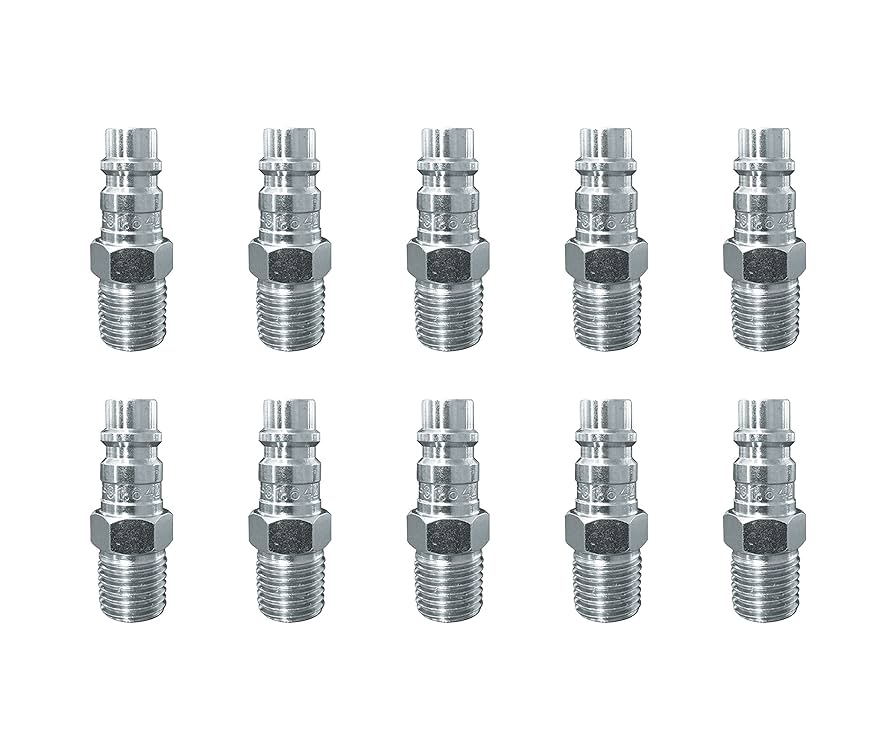
Are you tired of wasting time wrestling with tangled air compressor hoses? Imagine a tool that makes connecting and disconnecting your air hose fast, simple, and hassle-free.
That’s exactly what a Quick Connect Air Compressor Hose can do for you. Whether you’re a DIY enthusiast or a professional, having the right hose can save you effort and boost your efficiency. Keep reading to discover how this small upgrade can transform your work and make every project smoother.
Benefits Of Quick Connect Hoses
Quick connect air compressor hoses offer many practical benefits for users. These hoses make attaching and detaching tools faster and easier. They save effort and reduce downtime during work. The design improves safety and extends the hose’s life.
Time-saving Features
Quick connect hoses allow fast tool changes. No need to screw or unscrew fittings. This speeds up tasks and boosts productivity. Workers spend less time setting up equipment. More work gets done in less time.
Enhanced Safety
These hoses reduce the risk of leaks and accidents. They create secure, tight connections every time. Loose fittings can cause air bursts or damage. Quick connect systems prevent such issues. They protect users and equipment during operation.
Improved Durability
Quick connect hoses are made from strong materials. They resist wear, cracks, and punctures. The connections reduce stress on the hose ends. This leads to longer hose life and fewer replacements. Durable hoses save money and hassle over time.
Types Of Quick Connect Fittings
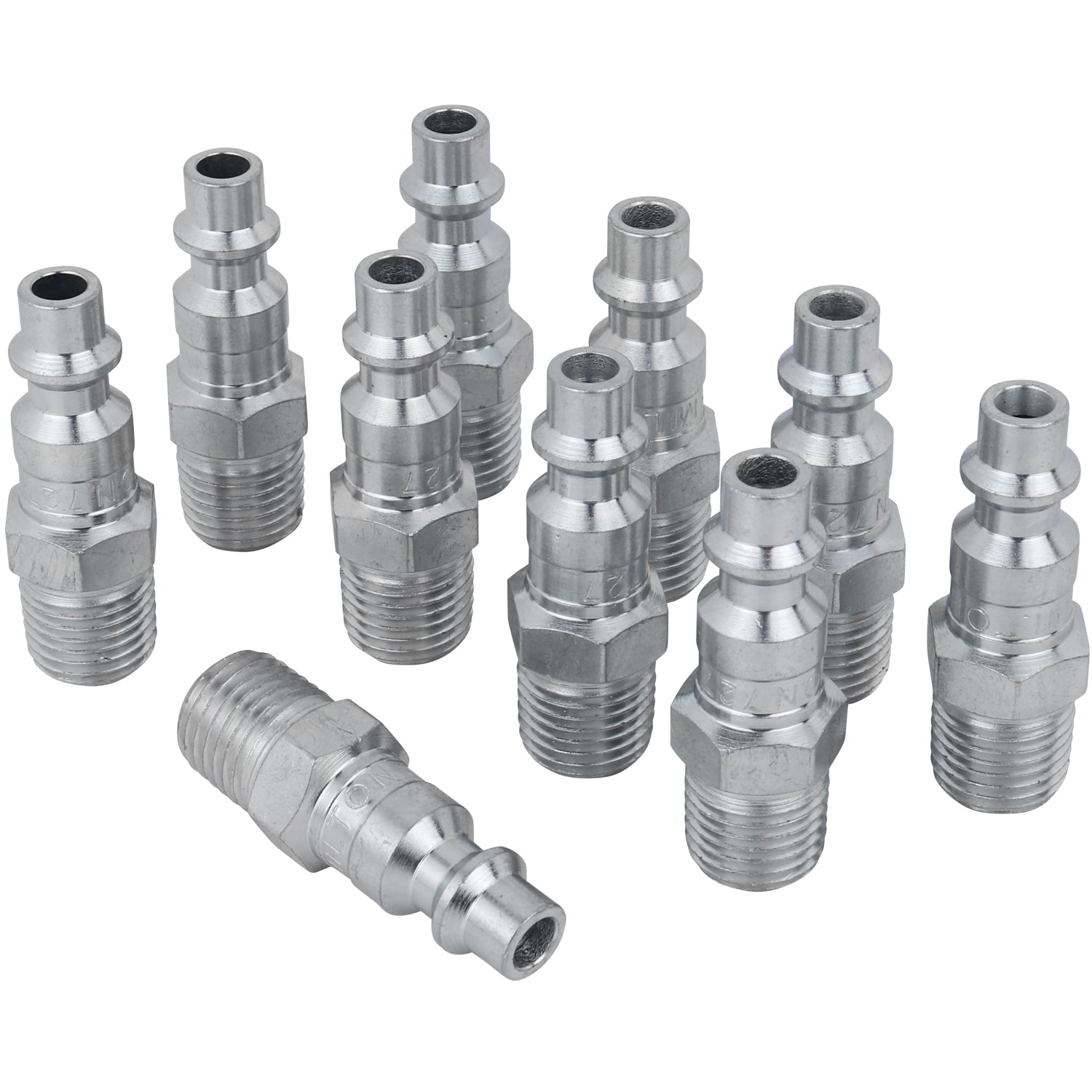
Quick connect fittings make attaching air compressor hoses fast and easy. They save time and reduce effort. Different types fit various tools and setups. Understanding these types helps you pick the right one.
Push-to-connect
Push-to-connect fittings work by simply pushing the hose into the connector. This design allows quick attachment and removal without tools. They seal tightly to prevent air leaks. These fittings are common in home and workshop air systems.
Threaded Connectors
Threaded connectors screw onto the hose or tool. They provide a strong, secure connection. These fittings require wrenches to tighten or loosen. Threaded connectors suit heavy-duty or high-pressure tasks well.
Ball Lock Couplers
Ball lock couplers use small balls inside the fitting to lock the hose in place. They offer a reliable and fast connection. These couplers often appear in professional or industrial air systems. They ensure a tight seal and easy disconnection.
Choosing The Right Hose Material
Choosing the right hose material is key for quick connect air compressor hoses. The material affects how well the hose works and how long it lasts. It also impacts safety and ease of use. Different materials suit different tasks and environments. Understanding each option helps you pick the best hose for your needs.
Pvc Vs Rubber
PVC hoses are lightweight and cost less. They are easy to handle and flexible in cool weather. PVC resists many chemicals but can crack in cold or harsh conditions. Rubber hoses are heavier but stronger. They handle higher pressure and stay flexible in hot and cold weather. Rubber is more durable for tough jobs.
Hybrid Options
Hybrid hoses mix materials like PVC and rubber. They offer a balance between flexibility and strength. Hybrids resist kinks and abrasion better than pure PVC. These hoses often weigh less than rubber but last longer than PVC. They suit both home and professional use.
Temperature And Pressure Ratings
Each hose has a limit for temperature and pressure. PVC hoses usually handle lower temperatures and pressures. Rubber and hybrid hoses can work in wider temperature ranges and higher pressures. Check these ratings to avoid hose damage or accidents. Choose a hose that fits your compressor’s power and your work environment.
Credit: miltonindustries.com
Step-by-step Setup Process
Setting up a Quick Connect Air Compressor Hose is simple. Follow these steps to get your compressor ready fast. Proper setup ensures safety and good performance.
Preparing The Compressor
Place the compressor on a flat surface. Make sure it is stable and near your work area. Check the power source and switch off the compressor before connecting anything. Remove any dust or dirt from the air outlet. This keeps the connection clean and tight.
Attaching The Hose
Take the quick connect fitting on the hose. Push it firmly onto the compressor’s air outlet. You should hear a click sound. This means the hose is locked in place. Pull lightly to check it is secure. Avoid twisting the hose while connecting it.
Checking For Leaks
Turn on the compressor. Listen carefully for any hissing sounds near the connection. Spray soapy water on the hose joint. Bubbles show where air might leak. Tighten or reconnect the hose if you find leaks. A tight seal keeps air pressure steady and safe.
Maintenance Tips For Longevity
Proper care of your quick connect air compressor hose extends its life. Following simple steps helps avoid costly repairs and downtime. Regular maintenance keeps the hose safe and efficient. Small efforts lead to big savings over time.
Regular Inspections
Check the hose for cracks, leaks, or wear often. Look closely at connection points for damage or looseness. Replace damaged parts immediately to prevent air loss. Early detection stops bigger problems later.
Proper Storage
Store the hose in a cool, dry place away from sunlight. Avoid sharp bends or kinks that can weaken the hose. Coil the hose loosely to keep its shape intact. Proper storage prevents damage and extends hose life.
Cleaning And Lubrication
Clean the hose surface with a damp cloth to remove dirt. Avoid harsh chemicals that can degrade the hose material. Lubricate quick connect fittings lightly for smooth operation. Clean, well-lubricated parts work better and last longer.

Credit: www.ebay.ca
Common Troubleshooting Issues
Quick connect air compressor hoses make work easier. Yet, some common issues can slow you down. Knowing these problems helps fix them fast. This saves time and keeps tools working well.
Air Leaks
Air leaks reduce pressure and waste air. Leaks often happen at hose ends or connectors. Check for cracks or holes in the hose. Tighten fittings to stop air escaping. Replace damaged parts to keep air tight.
Connection Failures
Connection failures stop air flow completely. Dirt or rust may block the connection points. Clean connectors regularly to avoid this issue. Make sure the hose clicks in place firmly. Loose connections can cause sudden air loss.
Pressure Drops
Pressure drops affect tool performance and speed. Long hoses or multiple attachments cause this problem. Use shorter hoses for better pressure. Inspect hoses for damage that lowers pressure. Fix or replace faulty hoses to maintain steady pressure.
Top Brands And Models
Choosing the right quick connect air compressor hose makes your work easier. The market offers many brands and models. Some fit tight budgets, while others suit professional needs. Knowing the top brands helps you pick the best hose. Quality, durability, and ease of use matter most. Read on to discover top options for all users.
Budget-friendly Options
Affordable hoses offer good value for home use. Brands like Campbell Hausfeld and Craftsman provide reliable hoses under $50. These models feature standard fittings and flexible materials. They work well for light tasks and occasional use. You get a decent length and quick-connect ends. Perfect for DIY projects and small repairs.
Professional-grade Choices
Professionals need hoses that handle heavy use and pressure. Brands such as Flexzilla and Goodyear lead in this category. Their hoses resist kinks, abrasions, and weather damage. Many come with high PSI ratings and durable couplers. These hoses last longer and improve efficiency. Ideal for mechanics, contractors, and frequent users.
Customer Reviews
Users praise hoses that combine flexibility and strength. Positive reviews highlight easy attachment and leak-free performance. Many customers mention quick-connect fittings save time. Some note durability even after months of use. Negative feedback usually points to short hose length or stiff material. Reading reviews helps avoid poor choices and find trusted models.

Credit: www.amazon.ca
Frequently Asked Questions
What Is A Quick Connect Air Compressor Hose?
A quick connect air compressor hose allows fast attachment and detachment. It saves time and effort during tool changes. The hose uses special fittings for secure, airtight connections. It enhances convenience for various air-powered tools and tasks.
How Does A Quick Connect Hose Improve Efficiency?
Quick connect hoses reduce setup time by enabling instant connections. They prevent air leaks, maintaining consistent pressure. This boosts productivity in workshops and construction sites. Users can switch tools without stopping the compressor. Overall, it streamlines work processes significantly.
Are Quick Connect Hoses Compatible With All Air Compressors?
Most quick connect hoses fit standard air compressors with matching fittings. However, checking the connector size and type is essential. Adapters can help if sizes differ. Compatibility ensures safe, efficient operation without air leaks or damage.
What Materials Are Quick Connect Air Compressor Hoses Made Of?
These hoses are usually made from durable materials like rubber, PVC, or polyurethane. Polyurethane offers flexibility and kink resistance. Rubber provides durability under high pressure. Material choice affects hose lifespan and performance.
Conclusion
Quick connect air compressor hoses save time and effort. They let you change tools fast and keep work smooth. These hoses fit most compressors and tools easily. Strong materials mean they last long and resist leaks. Using the right hose improves safety and performance.
Choose a hose that matches your needs well. Simple, fast connections help you finish jobs quicker. This small tool makes a big difference in daily work.