

If you work with an air compressor, you know how important every part is to keep things running smoothly. One small but powerful tool you might overlook is the air compressor whip hose.
This simple hose can make a big difference in your setup, improving safety and efficiency. You’ll discover why the whip hose matters, how it works, and what to look for when choosing the right one for your needs. Keep reading to make sure your air compressor system is as reliable and safe as it can be.
Types Of Air Compressor Whip Hoses
Air compressor whip hoses come in various types. Each type suits different tasks and environments. Choosing the right one ensures safety and efficiency.
Material Variations
Whip hoses are made from different materials. Rubber hoses are flexible and durable. PVC hoses are lightweight and cost-effective. Hybrid hoses combine rubber and PVC for strength and flexibility. Some hoses have nylon or polyurethane for extra wear resistance. Material choice depends on the work conditions and air pressure needed.
Length And Diameter Options
Lengths vary from short 1-foot hoses to longer 25-foot options. Diameter sizes typically range from 1/4 inch to 3/8 inch. Short hoses are best for tight spaces and quick tasks. Longer hoses allow more movement but may reduce air pressure. Diameter affects airflow; wider hoses deliver more air but can be less flexible.
Pressure Ratings
Pressure ratings tell the maximum air pressure the hose can handle. Common ratings range from 150 PSI to 300 PSI or higher. Choose a hose with a pressure rating above your compressor’s output. Using a hose with too low a rating can cause leaks or bursts. Check the rating before buying to ensure safe operation.

Credit: www.amazon.com
Choosing The Right Whip Hose
Choosing the right whip hose for your air compressor is essential. The correct hose ensures safety, efficiency, and durability. Picking the wrong hose can lead to leaks or bursts. It also affects the performance of your tools. Consider key factors before making a choice.
Matching Hose To Compressor
Check the compressor’s pressure rating first. The whip hose must handle this pressure safely. Look at the hose’s maximum pressure limit. It should be equal or higher than the compressor’s output. Also, match the hose diameter to the compressor’s fittings. A wrong size causes air loss and weak tool power.
Application Considerations
Think about the tools you will use. Some tools need flexible hoses for easy movement. Others require stiffer hoses for stability. Consider the length of the hose too. A longer hose gives freedom but lowers air pressure. Choose a hose material suitable for your job, such as rubber or PVC.
Environmental Factors
Where will you use the hose? Outdoor jobs need hoses that resist sunlight and weather. Cold places require hoses that stay flexible in low temperatures. Check for resistance to oil, chemicals, or abrasions if needed. A hose that fits the environment lasts longer and works better.
Installation Best Practices
Installing an air compressor whip hose correctly is key to safety and performance. Proper installation helps avoid leaks and hose damage. It also ensures smooth airflow and longer hose life.
Follow simple steps for best results. Focus on connection, hose condition, and securing methods. These steps keep your setup reliable and efficient.
Proper Connection Techniques
Use the right fittings for your hose and compressor. Check that connectors fit tightly without forcing them. Hand-tighten first, then secure with a wrench if needed. Avoid over-tightening, which can cause damage or leaks. Clean threads before connecting to prevent dirt buildup. Ensure the hose end matches the compressor outlet size.
Avoiding Kinks And Twists
Lay the hose straight before use. Avoid sharp bends or loops that pinch the hose. Twists reduce airflow and cause wear. Use hose reels or guides to keep the hose aligned. Check the hose regularly to spot any bends early. A smooth hose means better air flow and longer use.
Securing The Hose
Attach the hose firmly to avoid pulling or tripping hazards. Use clips or straps to hold the hose in place. Secure the hose near the compressor and along its path. Keep the hose off the floor where possible. This prevents damage from foot traffic or tools. A well-secured hose lasts longer and stays safe.
Maintenance Tips
Proper maintenance keeps your air compressor whip hose working well. It helps avoid leaks and bursts. Regular care extends the hose’s life and saves money on repairs. Follow easy steps to keep it in good shape.
Regular Inspection
Check the hose for cracks or wear each time before use. Look closely at the ends and fittings. Small damage can cause leaks or sudden breaks. Replace the hose if you see any serious issues. Catch problems early to stay safe.
Cleaning Procedures
Wipe the hose with a damp cloth after use. Remove dirt, dust, and oil to prevent damage. Avoid harsh chemicals that might weaken the hose material. Clean hoses work better and last longer.
Storage Recommendations
Store the hose in a cool, dry place away from sunlight. Avoid sharp bends or heavy objects on the hose. Coil it loosely to keep its shape. Proper storage stops cracks and keeps the hose ready to use.
Common Safety Hazards
Air compressor whip hoses are useful but can be risky without care. Knowing common safety hazards helps prevent accidents and injuries. This section explains key dangers to watch for. Stay alert and protect yourself during use.
Hose Bursting Risks
Whip hoses hold high air pressure. Over time, they can weaken or crack. A burst hose sprays air and debris forcefully. This can cause cuts or eye injuries. Regular checks and replacing old hoses reduce bursting risks.
Trip And Fall Dangers
Loose hoses on the floor create trip hazards. Workers may stumble and fall, causing injuries. Keep hoses organized and off walkways. Use hose reels or clips to avoid accidents.
Incorrect Pressure Handling
Setting wrong air pressure damages the hose and equipment. High pressure leads to hose failure and bursts. Low pressure reduces tool efficiency. Always follow manufacturer guidelines for safe pressure levels.
Improving Efficiency
Improving the efficiency of your air compressor whip hose saves energy and boosts performance. Small changes in the hose setup make a big difference in how well your system works. Focus on three key areas to get the most from your equipment.
Reducing Air Leaks
Air leaks waste pressure and increase energy costs. Check the hose regularly for cracks or holes. Replace damaged hoses quickly. Use proper clamps to secure connections and stop leaks. Tight seals keep air flowing smoothly and reduce energy loss.
Optimizing Hose Length
Too long or too short hoses can reduce airflow. Use the shortest hose length that fits your workspace. Short hoses keep pressure high and improve tool response. Avoid extra loops or bends that slow down air delivery. Proper length saves time and energy.
Using Quality Fittings
Low-quality fittings cause leaks and wear out fast. Choose durable, well-made fittings for your whip hose. Good fittings hold tight under pressure and last longer. They make hose changes easier and keep air flow steady. Investing in quality parts improves overall efficiency.
Troubleshooting Issues
Troubleshooting issues with an air compressor whip hose can save time and money. Problems like air leaks, hose damage, and pressure drops affect performance. Knowing how to find and fix these issues keeps your tools working well.
Identifying Air Leaks
Air leaks reduce compressor power and waste energy. Listen for hissing sounds near hose connections. Use soapy water to spot bubbles showing leaks. Check fittings, couplers, and the hose surface carefully. Tighten loose parts or replace damaged sections fast.
Handling Hose Wear And Tear
Hoses wear out over time from bending and rubbing. Look for cracks, cuts, or worn spots on the hose. Replace any hose with visible damage immediately. Store hoses properly to avoid kinks and sharp bends. Use hose protectors in high-friction areas.
Dealing With Pressure Drops
Pressure drops cause weak airflow and slow tool operation. Check for leaks or blockages inside the hose. Ensure the hose diameter matches your compressor’s needs. Clean or replace clogged filters and fittings. Use shorter hoses to reduce pressure loss.

Credit: www.amazon.com
Upgrading Your Whip Hose
Upgrading your air compressor whip hose improves performance and safety. A better hose means fewer leaks and longer life. It also makes your work easier and faster.
Advanced Materials
Modern whip hoses use strong, flexible materials. These materials resist heat, oil, and chemicals well. They keep the hose from cracking or breaking. This means less downtime and fewer replacements.
Quick-connect Options
Quick-connect fittings save time during setup and breakdown. They let you attach or detach the hose fast. No tools are needed. This feature reduces hassle and keeps your work moving.
Enhanced Durability Features
Look for hoses with extra layers or protective sleeves. These add strength and prevent wear from rubbing or bending. Reinforced hoses handle high pressure better. They last longer in tough work environments.
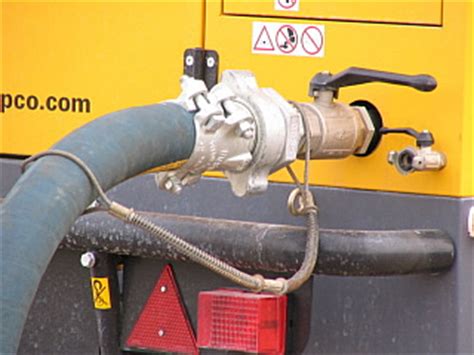
Credit: falconrentals.com
Frequently Asked Questions
What Is An Air Compressor Whip Hose Used For?
An air compressor whip hose connects the compressor to tools. It allows flexible air flow and reduces strain on fittings. This hose improves safety and tool maneuverability during operation. It is essential for efficient air compressor performance.
How To Choose The Right Whip Hose Size?
Select a whip hose based on your compressor’s PSI and CFM ratings. Match hose diameter to tool requirements for optimal airflow. Longer hoses may reduce pressure, so keep length minimal. Proper sizing ensures efficient tool operation and prevents leaks.
What Materials Are Air Compressor Whip Hoses Made From?
Whip hoses are commonly made from rubber, PVC, or polyurethane. Rubber offers durability and flexibility; PVC is lightweight and affordable. Polyurethane hoses resist kinks and abrasions, lasting longer. Choose material based on your work environment and tool usage.
How To Maintain And Extend Whip Hose Life?
Regularly inspect the hose for cracks or leaks. Keep it clean and avoid sharp bends or kinks. Store hoses in cool, dry places away from direct sunlight. Proper maintenance prevents damage and extends the hose’s service life.
Conclusion
Choosing the right air compressor whip hose makes a big difference. It keeps your tools working safely and smoothly. Always pick a hose that fits your air compressor and job needs. Check the material and length before buying. Regularly inspect the hose for cracks or leaks.
Taking care of it helps avoid accidents and saves money. A good whip hose ensures your work gets done well and on time. Simple steps like these make your tasks easier and safer every day.