
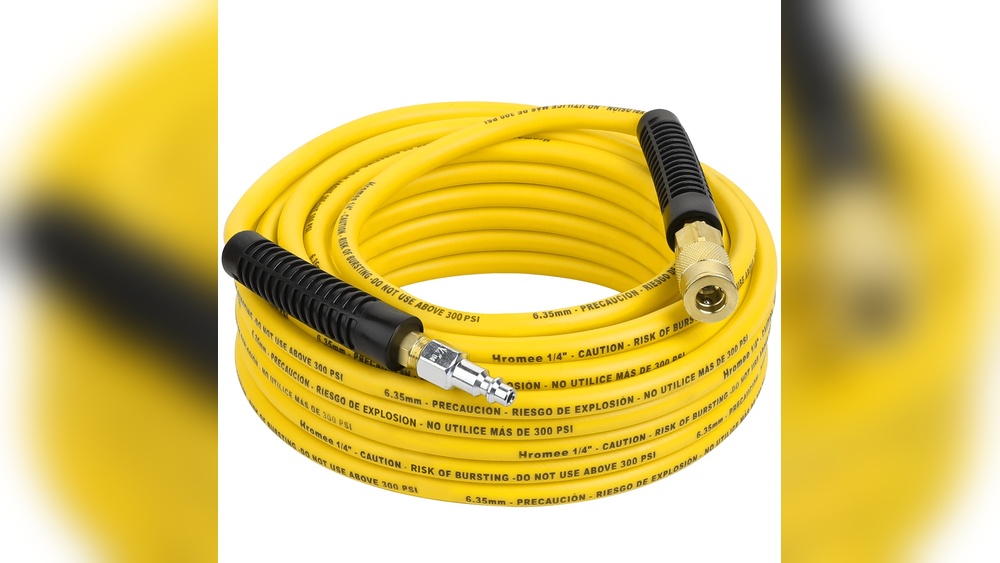
If you use an air compressor, you know how important the right hose can be. Choosing the perfect hose for your air compressor can make your work easier, faster, and safer.
But with so many options out there, it’s easy to feel overwhelmed. This guide will help you find the best hose that fits your needs, so you get the most out of your air compressor. Keep reading to discover simple tips and smart choices that will save you time and frustration on every project.
Types Of Air Compressor Hoses
Air compressor hoses come in different types, each designed for specific uses. Choosing the right hose affects performance and safety. Understanding these types helps pick the best hose for your needs.
Rubber Hoses
Rubber hoses are strong and flexible. They resist abrasion and can handle high pressure. These hoses work well in tough environments. They stay flexible even in cold weather. Rubber hoses last long with proper care.
Pvc Hoses
PVC hoses are lightweight and easy to handle. They are less expensive than rubber hoses. These hoses resist chemicals and corrosion. PVC hoses work best with low to medium pressure. They are common for home and light work.
Hybrid Hoses
Hybrid hoses combine materials like rubber and PVC. This mix gives strength and flexibility. They are lighter than pure rubber hoses. Hybrid hoses handle pressure well. They suit many different tasks.
Thermoplastic Hoses
Thermoplastic hoses are smooth and flexible. They resist kinks and twisting. These hoses are lighter than rubber and PVC. They work well with cold air. Thermoplastic hoses last long and are easy to store.
Key Features To Consider
Choosing the right hose for an air compressor involves several key features. These features affect how well the hose performs and lasts. Understanding these points helps in selecting a hose that fits your needs and work environment. Below are the main factors to check before buying.
Length And Diameter
Length affects how far you can reach with the hose. A longer hose gives more freedom but may lower air pressure. Diameter controls airflow size. A wider diameter lets more air pass through. Choose length and diameter based on your tasks and air tool requirements.
Pressure Rating
Pressure rating shows the maximum air pressure the hose can handle. It is measured in PSI (pounds per square inch). Using a hose with too low pressure rating can cause damage or accidents. Always pick a hose with a pressure rating higher than your compressor’s output.
Flexibility And Weight
Flexibility makes the hose easy to move and store. A stiff hose is hard to coil and may kink. Weight matters for portability and ease of use. Lighter hoses reduce fatigue during long work hours. Find a balance between flexibility and weight for your comfort.
Durability And Material
Durable hoses resist wear, tears, and weather effects. Common materials include rubber, PVC, and polyurethane. Rubber hoses are strong but heavier. PVC hoses are lightweight but less flexible. Polyurethane hoses offer good strength and flexibility. Choose material based on work conditions and lifespan needs.
Choosing The Right Hose Size
Choosing the right hose size for your air compressor is important. The hose size affects how well your compressor works. A hose that is too small or too large can cause problems. Picking the correct size helps you get the best performance and saves energy.
Knowing the right hose size also makes your work easier. It keeps the air pressure steady and avoids delays. This guide helps you understand the key points to choose the right hose for your needs.
Matching Hose Diameter To Compressor
Hose diameter must match the compressor’s output size. If the hose is smaller, air flow will be restricted. A larger hose may cause air pressure to drop. Check the compressor’s manual for recommended hose size. Use a hose that fits well to avoid leaks and pressure loss.
Impact On Airflow And Efficiency
A correct hose size keeps air flowing smoothly. A small hose can reduce airflow and slow your tools. A large hose may cause wasted energy and reduce efficiency. The right size helps maintain strong air pressure. This improves tool performance and saves power.
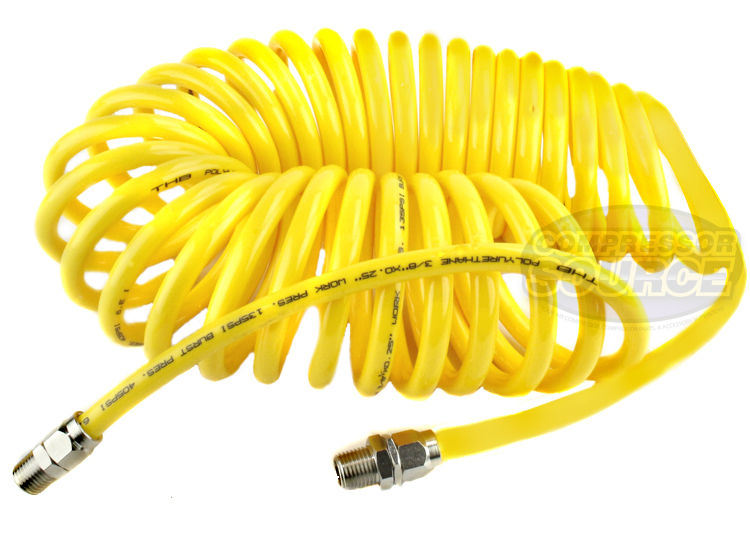
Credit: compressor-source.com
Fittings And Connectors
Fittings and connectors are vital parts of a hose air compressor system. They join hoses, tools, and the compressor itself. Good fittings keep air flowing smoothly. They stop leaks and ensure safety. Choosing the right fittings helps the system work well. It also saves energy and money.
Common Types Of Fittings
Several fitting types fit hose air compressors. Quick-connect fittings are popular for fast tool changes. They snap on and off easily. Threaded fittings screw tightly for a secure hold. Barbed fittings grip hoses firmly with ridges. Push-to-connect fittings offer simple, tool-free assembly. Each type fits different needs and setups.
Ensuring Leak-free Connections
Leaks waste air and reduce compressor power. Tight connections stop leaks and keep pressure steady. Use thread tape or sealant on threaded fittings. Check fittings regularly for wear or damage. Replace old or cracked connectors right away. Properly tightened fittings make the system safe and efficient.
Maintenance Tips
Proper maintenance keeps your hose air compressor working well. It extends the life and improves performance. Simple care helps avoid costly repairs and downtime. Follow these easy tips to keep your equipment in top shape.
Cleaning And Storage
Clean the hose and compressor regularly. Remove dust, dirt, and debris with a soft cloth. Use mild soap and water for stubborn grime. Avoid harsh chemicals that can damage the hose material. Dry the hose completely before storing it.
Store the hose air compressor in a cool, dry place. Avoid direct sunlight and extreme temperatures. Coil the hose loosely to prevent kinks and cracks. Keep it off the floor to avoid moisture and dirt buildup.
Inspecting For Wear And Damage
Check the hose and connections often. Look for cracks, holes, or frayed areas. Examine fittings for rust or looseness. Replace damaged parts immediately to avoid leaks. Early detection prevents bigger problems later.
Listen for unusual sounds during operation. Strange noises can signal internal damage. Test air pressure regularly to ensure proper function. Keep a maintenance log to track inspections and repairs.
Avoiding Common Issues
Do not overbend or stretch the hose. Excess stress can cause breaks and leaks. Use the right hose size and type for your compressor. Avoid running the compressor without air pressure.
Check oil levels if your compressor requires it. Low oil can cause overheating and damage. Keep filters clean to maintain good airflow. Turn off and unplug the compressor after use.

Credit: www.amazon.com
Best Brands And Models
Choosing the right hose for your air compressor is important for performance and durability. Some brands stand out for quality and reliability. These brands offer models that fit different needs and budgets.
Here is a list of trusted brands and their popular hose models. Each one delivers good airflow and lasts long. Picking the right model depends on how you will use it and the pressure level you need.
Top-rated Hoses On The Market
Flexzilla offers flexible hoses that are easy to handle. Their hoses resist kinks and work well in cold weather.
Goodyear hoses are strong and built for heavy use. They have a tough outer layer that resists wear and tear.
DeWalt hoses provide excellent durability and come in various lengths. They keep air pressure steady for smooth operation.
Milwaukee hoses are designed for professionals. They offer high strength and hold up under tough job site conditions.
Budget-friendly Options
California Air Tools hoses give good value without high prices. They are lightweight and flexible for easy use.
Campbell Hausfeld hoses are affordable and reliable. They fit most air compressors and perform well for home projects.
Astro Pneumatic hoses offer decent quality at a low cost. They work fine for light to medium tasks.
Central Pneumatic hoses are budget-friendly and come with various fittings. These hoses are suitable for casual users and beginners.
Safety Considerations
Safety is very important when using a hose air compressor. The high pressure inside the hose can cause accidents. Knowing how to handle and maintain the hose helps avoid injuries. This section explains key safety tips to protect users and equipment.
Handling High Pressure
High pressure inside the hose can be dangerous. Always wear safety glasses and gloves. Check the hose for cracks or weak spots before use. Do not twist or bend the hose sharply. Keep the hose away from heat sources. Release pressure slowly after use to prevent sudden bursts.
Preventing Hose Bursts
Hose bursts cause serious injuries and damage. Use the right hose for your compressor’s pressure rating. Regularly inspect the hose for signs of wear or damage. Replace old or damaged hoses immediately. Avoid dragging the hose over rough surfaces. Store the hose properly to prevent kinks and cracks.
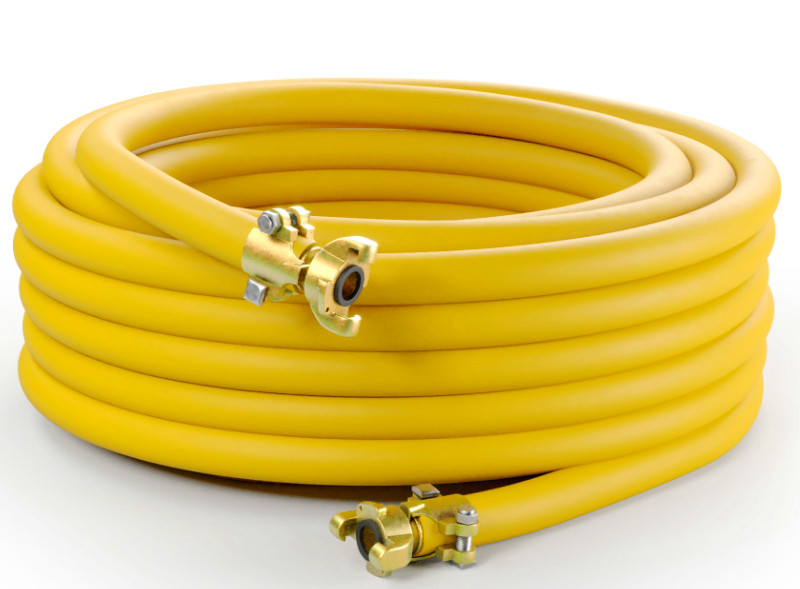
Credit: www.somaxflex.com
Frequently Asked Questions
What Is A Hose Air Compressor Used For?
A hose air compressor delivers compressed air through a hose for various tasks. It powers pneumatic tools, inflates tires, and cleans surfaces. Its portability makes it ideal for workshops and construction sites. It ensures efficient and consistent air flow for different applications.
How Do I Choose The Right Hose For An Air Compressor?
Select a hose with the correct diameter and length for your compressor. Ensure it matches the air pressure rating and tool requirements. Material quality affects durability and flexibility. Consider hoses with anti-kink and abrasion-resistant features for longer life and better performance.
Can Hose Air Compressors Handle Heavy-duty Tasks?
Yes, many hose air compressors are designed for heavy-duty use. Choose models with higher PSI and CFM ratings for demanding jobs. Durable hoses and fittings are essential for reliability. Proper maintenance ensures optimal performance during intensive applications.
How To Maintain A Hose Air Compressor Hose Properly?
Regularly inspect the hose for cracks, leaks, and wear. Clean it after use to prevent dirt buildup. Store the hose coiled loosely in a dry, cool place. Avoid sharp bends and kinks to extend its lifespan and maintain air flow efficiency.
Conclusion
Choosing the right hose for your air compressor matters a lot. It helps your tools work better and lasts longer. Good hoses keep air flowing without leaks or breaks. They also make your work safer and easier. Remember to pick a hose that fits your needs and matches your compressor’s power.
Taking care of your hose will save time and money. A strong hose means smooth, steady air for every job. Simple steps lead to better results. Keep your air compressor running at its best.